
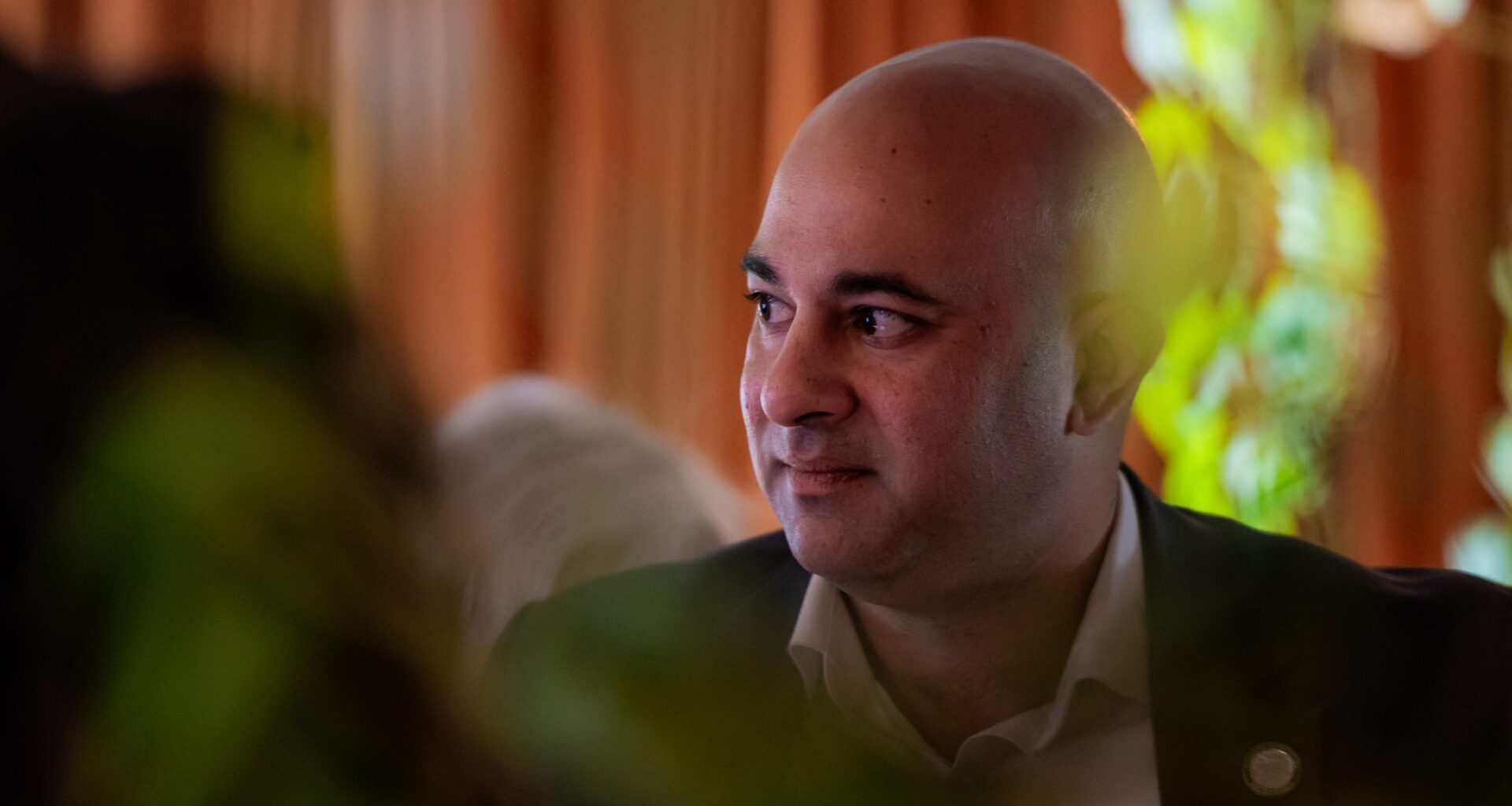
Supervisor Bilal Mahmood is asking the city to create a centralized database with information about all its properties, a list he hopes will be useful for identifying sites for grocery stores, food pantries, and affordable housing.
The move was inspired by New York City Mayor Zohran Mamdani, whose administration took an inventory of all city-owned land and then identified sites that could be used for housing development.
Yes, San Francisco has a property database, but Mahmood wants more information for each piece of property — what it could be used for, if it is vacant or in use, and its historic status, for instance.
“We have information in a lot of different places,” said Angela Yip, the spokesperson for the City Administrators Office, which includes the Real Estate Division. “We don’t have one single database.”
The city lands and facilities databases, for instance, do not include information about a property’s existing leases or historic status.
To Mahmood, this fact is unsurprising. He said that last year when his office was working on legislation related to homeless shelters in the city, he discovered the city had no consolidated list of all its shelters.
That was because different city departments — homelessness, health, and housing — “weren’t talking to each other to consolidate one central list because there wasn’t technically a need to,” Mahmood said. Now, every six months a list of all city shelters is released.
He hopes something similar will happen with the database of city properties. “I think right now, everyone in City Hall believes that we have to make decisions based on data, but you can’t make decisions based on data if you don’t have a consolidated, clear source of that data,” Mahmood said.
Once he has the list in hand, he hopes to identify places for more grocery stores or food pantries. Both, he said, are lacking in the Tenderloin.
Last month, his proposal to tax vacant grocery stores to incentivize a new tenant to come in was shot down, but he now plans to address food insecurity in other ways, including by helping corner stores sell fresh produce.
“Supervisor Mahmood is asking exactly the right question: how do we use every resource this city has, differently and more creatively, to meet this moment?” said Tanis Crosby, executive director of the San Francisco-Marin Foodbank. “Putting underutilized resources to work to reduce food insecurity is exactly the kind of focus we need.”
Mahmood hopes that the property database will also be able to help identify sites for affordable housing development, much like it did in New York City.
“City owned property can be faster to develop,” Mahmood said, explaining that developing on city owned property is often cheaper because you don’t have to buy the land and easier because state laws have streamlined the permitting.
The city already makes an effort to evaluate if any properties it owns could be developed into affordable housing. Every year, it releases a list of underutilized properties and then evaluates whether any of those sites can be used for affordable housing.
But that list does not include land owned by certain city departments, such as SFUSD and SFMTA, which have large land holdings.
Mahmood hopes this list will be more in depth: “Step one to building on city owned property is to take an inventory analysis of what city owned property exists.”