
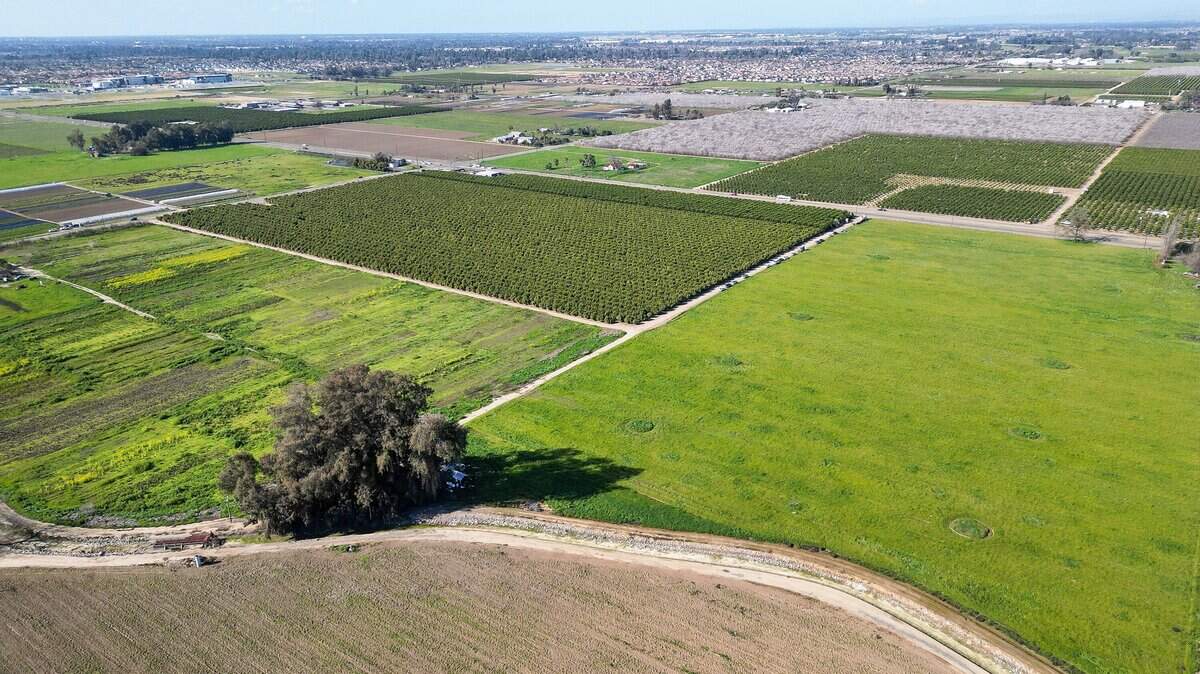
City planners say revisions have been made to Fresno’s major southeastern growth plan that address the abundance of concerns it has drawn from the public, but some critics of the mega development beg to differ.
Will 45,000 new homes, the streets and infrastructure that come with them, worsen air quality? Will all 9,000 acres open up for development at once? What about the area’s current rural property owners’ land rights? Is there sufficient water and sewer capacity?
The city identified those questions as a few of the major concerns raised by residents and highlighted by Adrienne Asadoorian, Fresno’s supervising planner, at a workshop presented to the planning commission last week on the Southeast Development Area, or SEDA. The commission will consider recommending approval to the city council on Aug. 19.
The plan to rezone 9,000 acres of mostly farmland in unincorporated Fresno County into the city was revised based on city council direction given to Mayor Jerry Dyer’s administration in December. Planning Commissioner Gurdeep Singh Shergill asked last Thursday if the public’s concerns were taken into consideration as well.
“Absolutely,” Asadoorian said. “So we did receive numerous public comments regarding concerns as it pertains to the specific plan, and there were a number of plan and policy changes that we did make in response to those concerns.”
The city identified the concerns residents had with SEDA through community meetings, workshops and public comments from the hearings held thus far, with a combined attendance upwards of 450 people, Asadoorian said.
According to the presentation, the main changes to the plan are shifting land use for more housing east of Temperance and creating a “consolidated business park” south of Jensen, phasing growth so only the southern section can develop first, and requiring further environmental and fiscal review before expansion. The update also adds financial support for existing rural residents’ utility connections and clarifies service and buffer policies, including around Lone Star Elementary.
A “consolidated business park” is the new proposed land use for a large portion of South SEDA, which would be the first phase up for development. It clusters employment, “flexible research and development,” and office uses in the plan area south of Jensen.
It was an alternative option studied in the EIR and identified as the environmentally superior alternative, Asadoorian said.
 Modified consolidated business park alternative map for SEDA. City of Fresno
The rest of South SEDA, east of Temperance, is dedicated to housing; Dyer has said there are around 4,800 units planned for the area. The update requires that 75% of its residential land area must be developed and occupied before later phases can open, Asadoorian said.
The revisions also require a community benefit fund to pay for the area’s current residents to connect to utilities and water. It’s unclear where the money for the fund would come from.
Brett Thompson, part of a group of residents who live and farm in the SEDA area, said regardless of the proposed financial assistance for connection, residents in the area would still not be able or want to irrigate, supply their families or livestock with city water because it’s more expensive and lower quality.
“The workshop or changes did not settle any of our concerns,” Thomas said. “The fiscal analysis has not been made public.”
The city council is set to take part in a South SEDA economic analysis workshop this Thursday.
Mayor Dyer has touted that SEDA would “pay for itself,” a claim that has drawn intense scrutiny from a coalition of around 20 organizations, politicians, residents and neighborhood groups. Opponents say the mega-development would drain resources from existing neighborhoods, put the city in debt and continue the impacts of Fresno’s history of urban sprawl.
Attorney Patience Milrod shared a letter with The Bee she sent to the council Tuesday on behalf of the Central Labor Council and Regenerate California Innovation, requesting answers to residents’ questions regarding SEDA’s financing.
It requests the council to dig deeply into whatever is presented at the workshop, and says the financial reports should have been made fully available in advance for the public to review.
“This behavior is compatible with only one purpose we can think of: The reports won’t bear up to extended and careful scrutiny,” the letter said.
If a majority of commissioners vote to recommend the plan on Aug. 19, it could receive final approval as soon as the next scheduled City Council meeting, on Aug. 27.
The commission voted 4-3 in November to recommend SEDA to the council before it was sent back to the Dyer administration for changes.
This story was originally published August 12, 2026 at 4:14 AM.
Related Stories from Fresno Bee