
The old Lake Merritt Lodge on Harrison Street was recently bought by the nonprofit Restorative Pathways, which is planning to use the historic yellow building as a homeless shelter.
The 120-person shelter will primarily serve survivors of domestic violence and human trafficking, with floors for parents with children, single adults, and youth ages 18 to 24.
Unlike some of the organization’s other shelters, which are safe houses with nondisclosed locations, this facility will be “step two or three” for clients who are “stabilized but still need support,” said Sophora Acheson, executive director of Restorative Pathways.
The Lake Merritt Lodge has had a varied and at times tumultuous history. Built as a YWCA boarding house for young women 100 years ago, it later became a residential hotel until it underwent foreclosure in 2013. A couple of years later, the renovated lodge reopened as a dormitory for a business school until the city leased the property in 2021 for use as a shelter.
That shelter, operated by Housing Consortium of the East Bay, was generally considered a premier housing option for people living on the street in Oakland, but by the time it closed in late 2024, the property was a wreck and tensions had exploded between the landlord, program operator, the city, and residents.
Acheson said her organization bought the old lodge from former owner Mahnaz Khazen in part to avoid the pitfalls of the previous setup, where the city leased the property but didn’t directly run the shelter. People involved with the building and property during those years told us that this management structure led to confusion about who was responsible for what, which created animosity and a mess at the building.
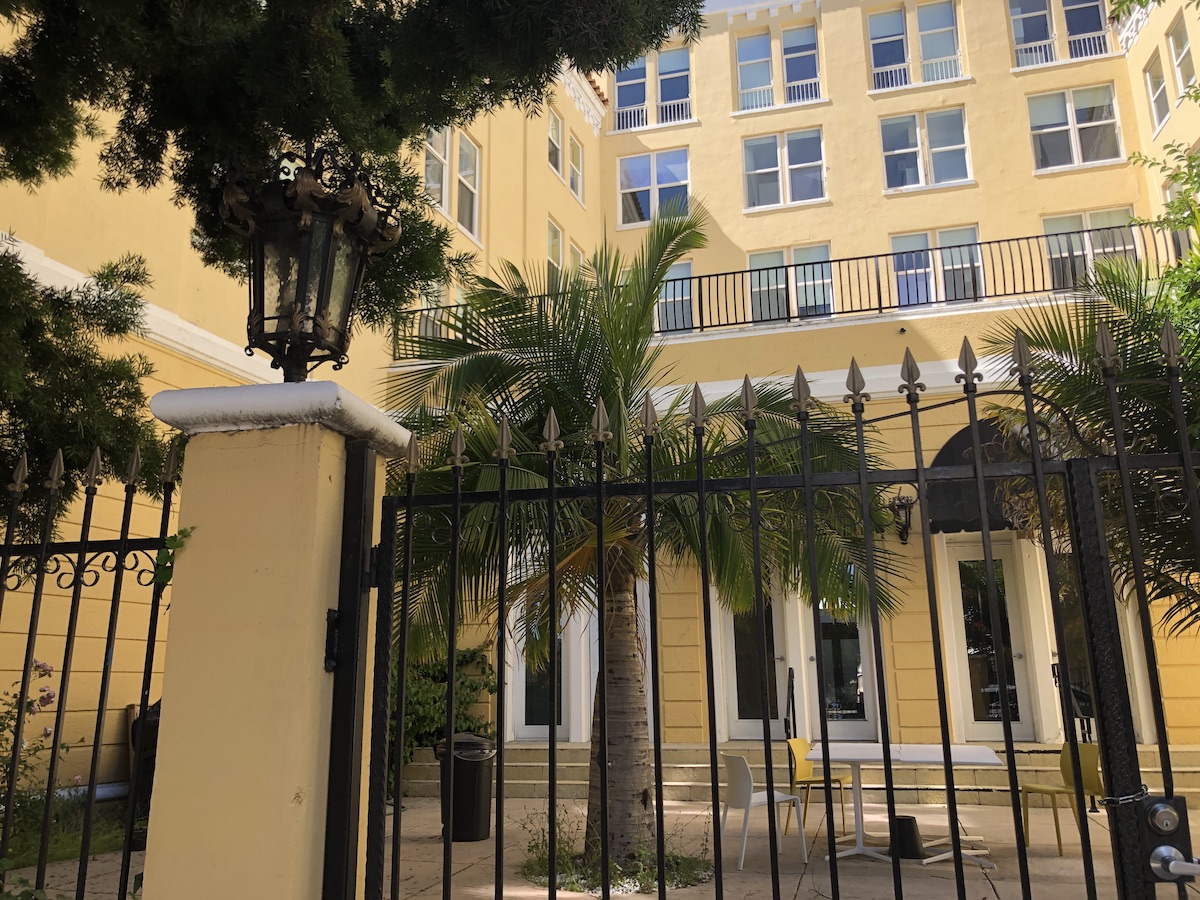 The stately building on Harrison Street opened 100 years ago as a boarding house for single, working women. Credit: Natalie Orenstein
Solara House, as the shelter will be called, will include a trauma recovery center staffed by psychiatrists, nurses, and therapists, as well as addiction treatment services. Restorative Pathways will also provide housing and employment support and meals to residents. There will be 36 staff on site at any given time, according to Acheson, including security guards in the evenings and mornings. Anyone wanting to enter the building will need to be buzzed in.
And, “we have more cameras than Fort Knox,” said Acheson, but she clarified that they won’t be located inside the private residences.
Children will have access to a recreation area. The big ballroom will be used as a training and meeting space.
The building offers easy access to downtown and the lake for residents. “It’s centrally located for people trying to get back into the community,” said Karen Boyd, a publicist for Restorative Pathways.
Like at most local shelters, residents will land there through Alameda County’s “coordinated entry” system. When Restorative Pathways is referred clients, the organization conducts an intake to see which facility will best serve them, said Acheson.
She said the nonprofit has taken several steps to avoid the issues and safety risks that can arise when trauma survivors of a wide range of backgrounds and ages live together in one place.
Residents will only be able to access the floors they live on, Acheson said. There will be daily room checks for contraband.
Many shelters these days take a harm-reduction approach, including facilitating safe drug use, in order to move people indoors without letting addiction be a barrier.
“For a site this big, it has to be dry,” said Acheson, a licensed therapist. “You can’t have sober people and people trying to recover with people who are using.” But she said the discovery of drugs doesn’t prompt immediate removal, but instead “a conversation” about how the resident can be better served. Staff will be trained in administering the overdose-reversal medication Naloxone.
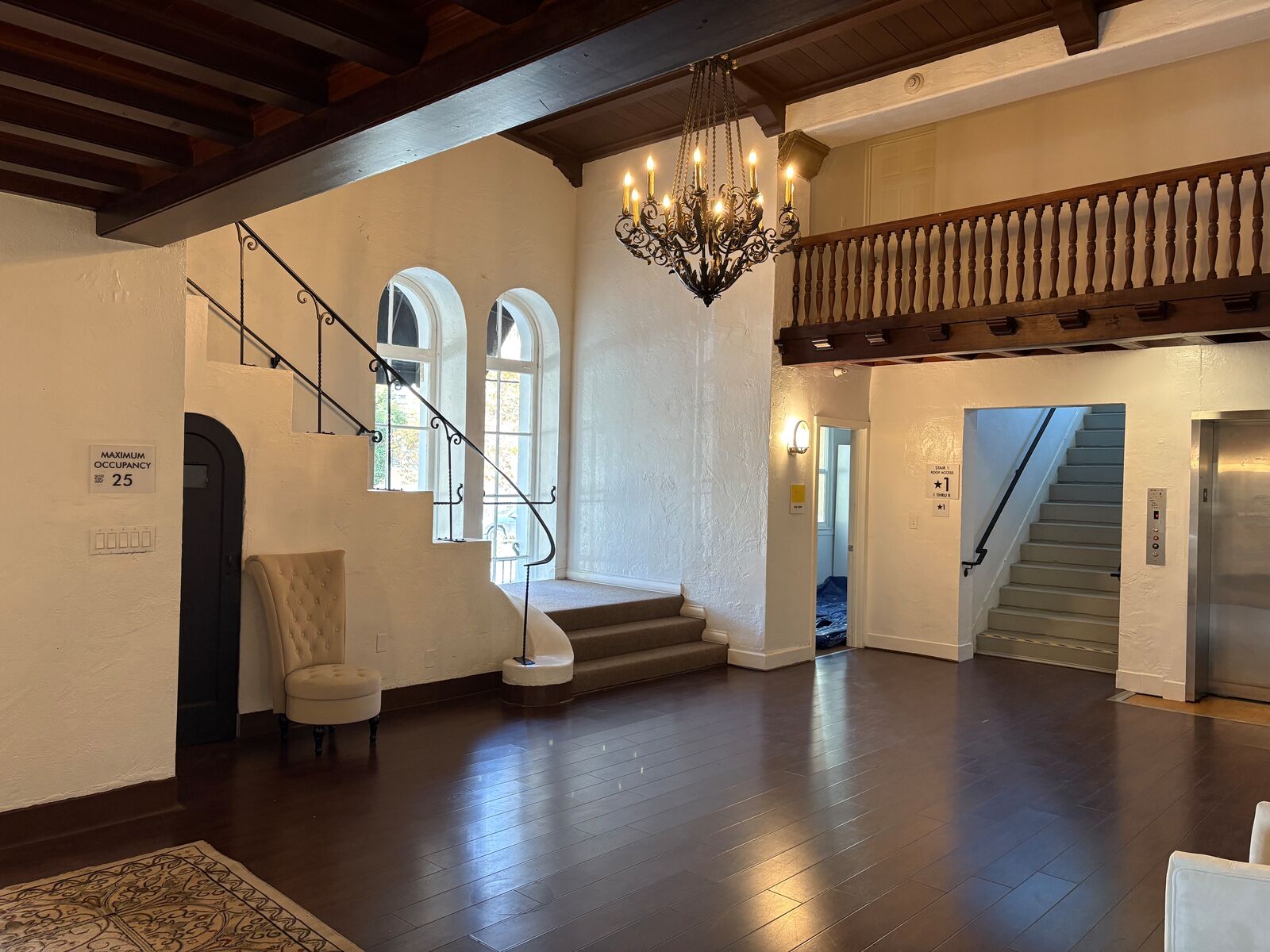 The previous owner, Mahnaz Khazen, restored the historic property, incorporating features similar to what originally existed. Credit: Natalie Orenstein/The Oaklandside
The biggest element of uncertainty for the director is funding. Acheson said national and state politics, along with the city of Oakland’s budget problems, raise questions about how her organization will sustain Solara House, which costs $36 million a year to run.
So far, they have one year of financing locked in, including funds from federal, state, county, and private sources.
The purchase of the property came together unbelievably quickly, in a matter of months. Khazen cut Restorative Pathways a deal “in the $10 million range,” said Acheson.
Khazen, a real estate developer and broker, who bought and restored the property in 2013, did not respond to requests for an interview. In the past, Khazen said she pursued the use of the building as a shelter, given its origins as a boarding house for young women. But by the end of the Lake Merritt Lodge program, she’d grown exasperated with both the city and the operator.
The shelter relocated at the end of 2024 to a new apartment building in Uptown.
Acheson said it was a dream to acquire a building already set up for use as transitional housing, with nice historical touches like chandeliers that Khazen had restored or added when she purchased it.
Restorative Pathways, which operates eight housing facilities and provides other services like rental subsidies, gets approached often by hotel owners hoping to sell or rent out their property as a shelter. But converting those buildings alone can cost $10 million, Acheson said.
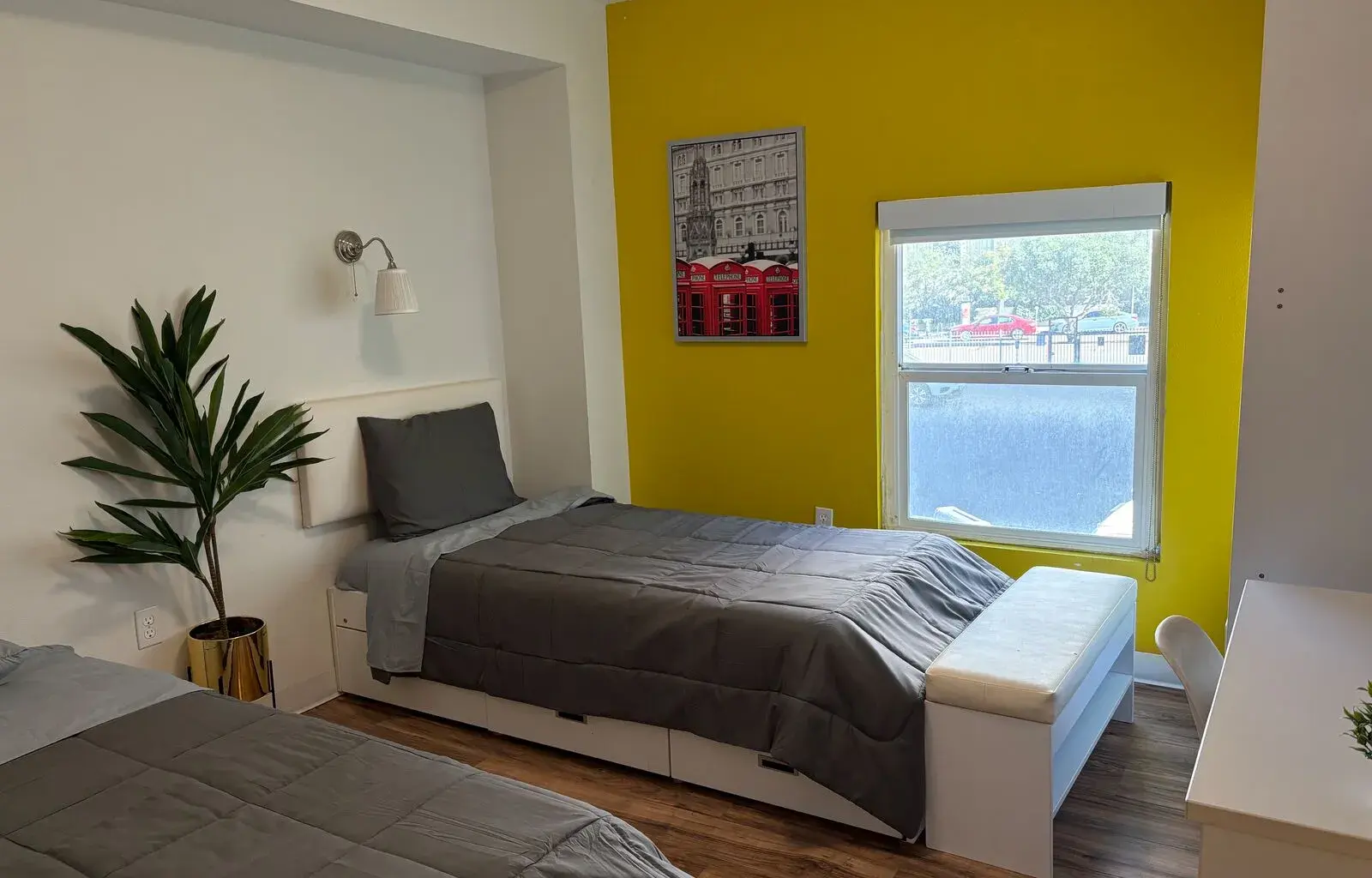
The private rooms at Soalara House have furniture left behind from the lodge shelter, as well as art pieces and lots of natural light.
Maintenance — which caused concerns at the lodge — will happen often and thoroughly, Acheson vowed: “Protecting our asset is definitely top of mind. We’re honored to be able to occupy this space.”
“*” indicates required fields