
Naomi Taxay
naomi.taxay@sacbee.com
For years, Sacramento County prosecutors have offered some repeat offenders a choice between jail and treatment. But without consistent access to treatment beds, officials say they could not always place participants when they were ready to accept help.
Through a new partnership with Monarch Recovery Centers, the District Attorney’s Office’s Chronic Offender Rehabilitation Effort, or CORE, gained access to 25 dedicated treatment beds in early August. The beds are intended for eligible participants whose repeated nonviolent offenses are linked to substance use or mental health issues. The program provides them with treatment, housing and other support while they remain accountable to the court.
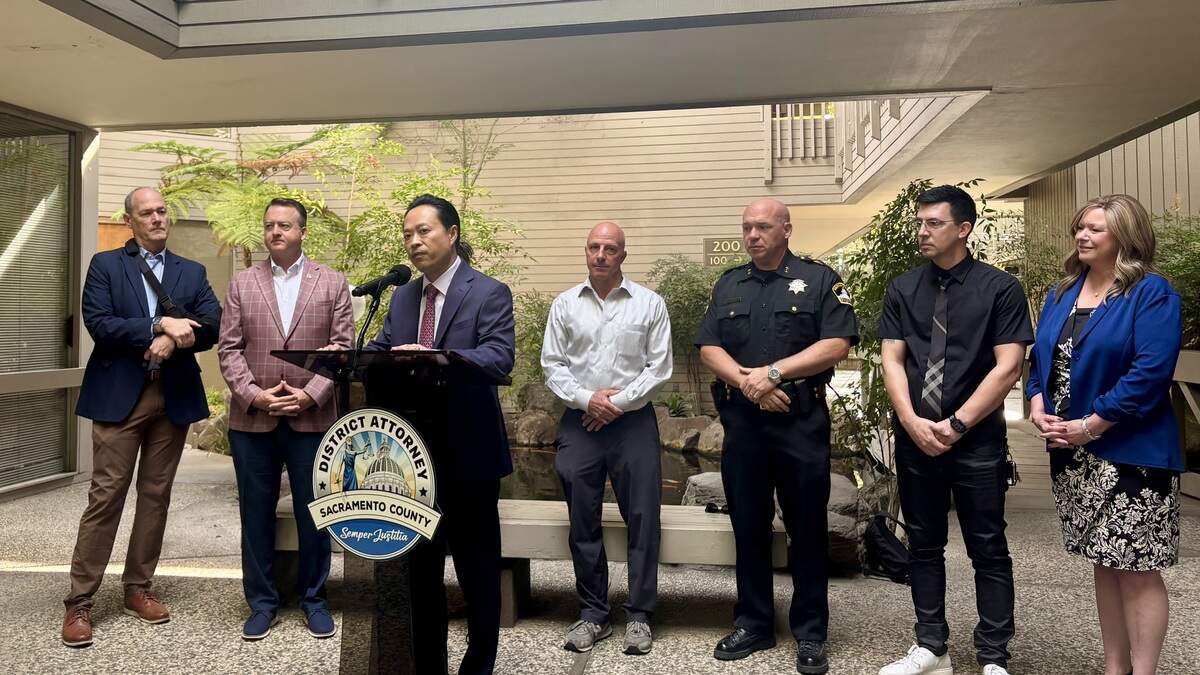
“Our law enforcement officers are doing their job,” said Sacramento County Supervisor Rosario Rodriguez at a news conference Wednesday. “They identify these offenders. They respond to the calls. They make the arrests. But arresting and releasing the same person over and over and over, issuing another citation or setting another court date that is ignored does not solve the problem, it simply resets the cycle.”
In order to qualify for the program, a person must be cited 10 times in a single year, Rodriguez said. While that number sounds high, she said, there are some individuals who are arrested, released and re-arrested more than one time in a day.
This relatively small group of individuals are responsible for a deeply disproportionate share of crime and disorder in the county, Rodriguez said.
“Their offenses may be labeled low-level, but their impact is anything but low-level,” Rodriguez said. “For a small business owner, repeated theft, trespassing, public intoxication and threatening behavior can mean loss of customers, damaged property, threatened employees and another call for law enforcement. For residents, it can mean parks, sidewalks, shopping centers, public spaces that no longer feel safe.”
Currently, individuals seeking help often have to wait 30 to 60 days for a treatment bed, Sacramento County District Attorney Thien Ho said. He said the county’s additional funding, which made the expansion possible, could help more participants access treatment when they are ready.
“These aren’t just beds, these are opportunities at treatment and services and transformation. Because the core mission of what we are trying to do now is make sure that we stop the cycle before the cycle turns into a lifestyle,” Ho said.
Ho called the program the “first of its kind in California,” pointing to the partnership among the county, community organizations, law enforcement and the District Attorney’s Office.
“I think one of the beauties of this program is that it’s not a high volume of individuals. But now, when the DA has identified that they’ve reached that 10th violation, now there is a bed for them to come get them that help that they need,” Rodriguez said. “So the fact that there will be a bed available when the individual gets to that point, I think, is a very positive thing.”

The Sacramento Bee
Naomi Taxay is a summer reporting intern for The Sacramento Bee’s Capitol Bureau. She grew up in the San Francisco Bay Area and studies journalism and political science at Northwestern University. She has reported on immigration and demographics from Washington, D.C., and on agriculture and energy across Illinois.