
Fresno State raised its instructionally-related activities fee last fall, with $5 million of an estimated $11.4 million generated annually by that increase going to its athletics department.
Will it take a second bite at that apple now for more athletics revenue, when schools that are generating hundreds of millions of dollars in ticket sales, donations and media rights are still hunting additional sources?
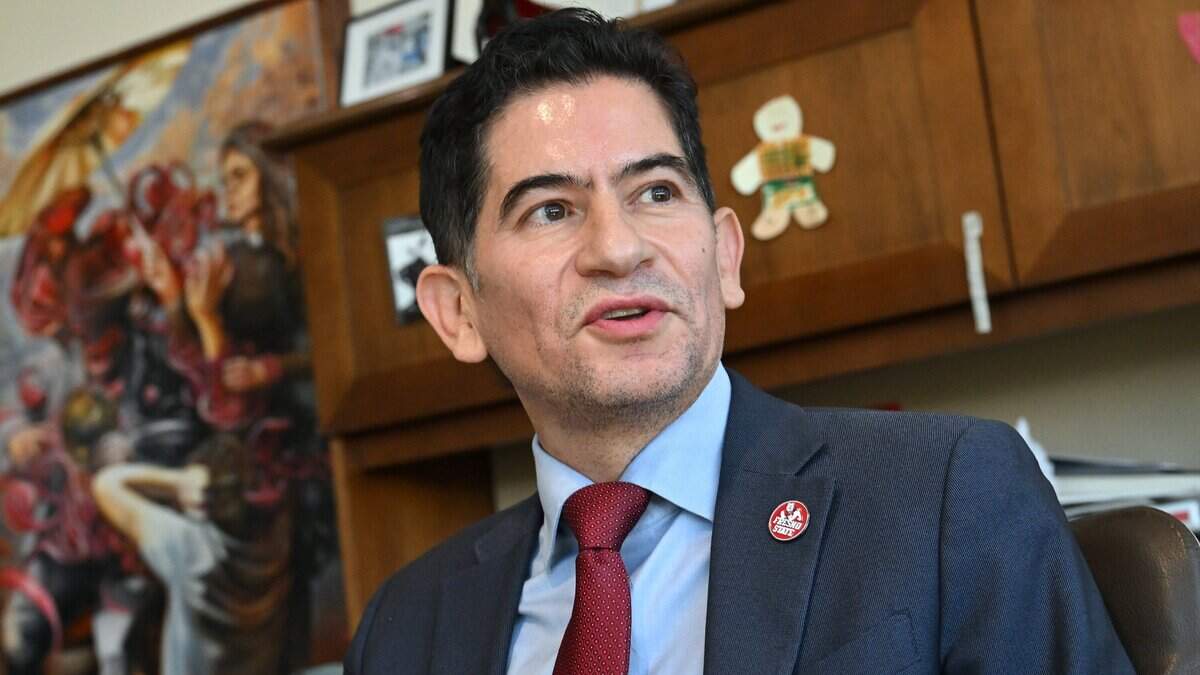
University president Saúl Jiménez-Sandoval addressed a number of issues around the Bulldogs’ move to the Pac-12 with The Fresno Bee, including the issue of student fees and securing additional athletics revenues to remain competitive in a conference that includes schools that have invested far more in their programs.
“I understand the question, and we have to be honest that competing in the Pac-12 will require additional investment,” Jiménez-Sandoval said, by email. “That is the reality of the environment we are entering. At the same time, students should not be the first or only answer to every financial challenge.
“We have to continue pursuing philanthropy, sponsorships, ticket revenue, premium seating, conference revenue, multimedia rights, licensing, facility revenue and internal efficiencies.”
Jiménez-Sandoval also said, “students should see a direct benefit from any fee-supported investment, and we have to be transparent about how these resources are used. Our responsibility is to build a sustainable model that protects opportunity for student-athletes, strengthens Fresno State and respects the financial pressures facing students and families.
“Fresno State is not entering the Pac-12 to pretend we are something we are not. We are entering because we believe in who we are: a proud public university, rooted in the Valley, committed to students, and ready to compete responsibly on a larger stage.”
The Bulldogs have set student attendance records at football games through a solid run where it has led Group of Six conference schools in per game attendance three years in a row, and there is value in that experience to the students that do attend games at Valley Children’s Stadium.
But, even with the additional fee, the Bulldogs’ athletics department is still well behind some of its peers in the new Pac-12 Conference. And, some of those peers keep pulling farther away.
In 2025, it reported $4.3 million in athletics revenue from student fees, according to the revenue and expense report it filed with the NCAA. Add in the $5 million in revenue through the mandatory fee increase, and in 2026 that will come to $9.3 million.
San Diego State reported $16.3 million in revenue from student fees in 2025. It is expected to land in that range again in 2026 and, facing the same financial challenges as Fresno State, it instituted a phased-in instructionally-related activities fee increase that will go into effect this fall and add as much as $10 million a year in revenue to its athletics department.
The aim of the increase was made clear in a 2025 fee proposal.
“If the fee does not pass, the university will face significant challenges in sustaining and enhancing the athletics experience for students and student-athletes,” the San Diego State proposal stated. “Without a stable funding source, programs will continue to rely heavily on limited and unpredictable state allocations, which have not kept pace with rising costs.
“As a result, student-athlete support services may remain underfunded, facilities may be more difficult to maintain and upgrade student engagement opportunities could be reduced.”
And, the big one: “Competitiveness of SDSU’s athletics programs could decline, putting the university at a disadvantage compared to schools that already have invested through student fees.”
It, like Fresno State, pushed the fee increase through an alternative consultation process that includes open forums and outreach efforts, rather than a student referendum.
Fresno State’s mandatory fee increase in the Fall of 2025 was the first in 16 years, according to the university. Its instructionally-related activities fee increased by $495 to $759 per year, with 69.7% of revenue going to athletics, $22.7% to academic projects and programs and 7.6% to co-curricular activities.
Revenue generated by the fee increase also went to support the career development center, Cross Cultural and Gender Center, Bulldog Express and student life initiatives including club sports and intramurals, the Bulldog Marching Band and Amendola Student Cupboard.
This story was originally published August 12, 2026 at 5:07 AM.