
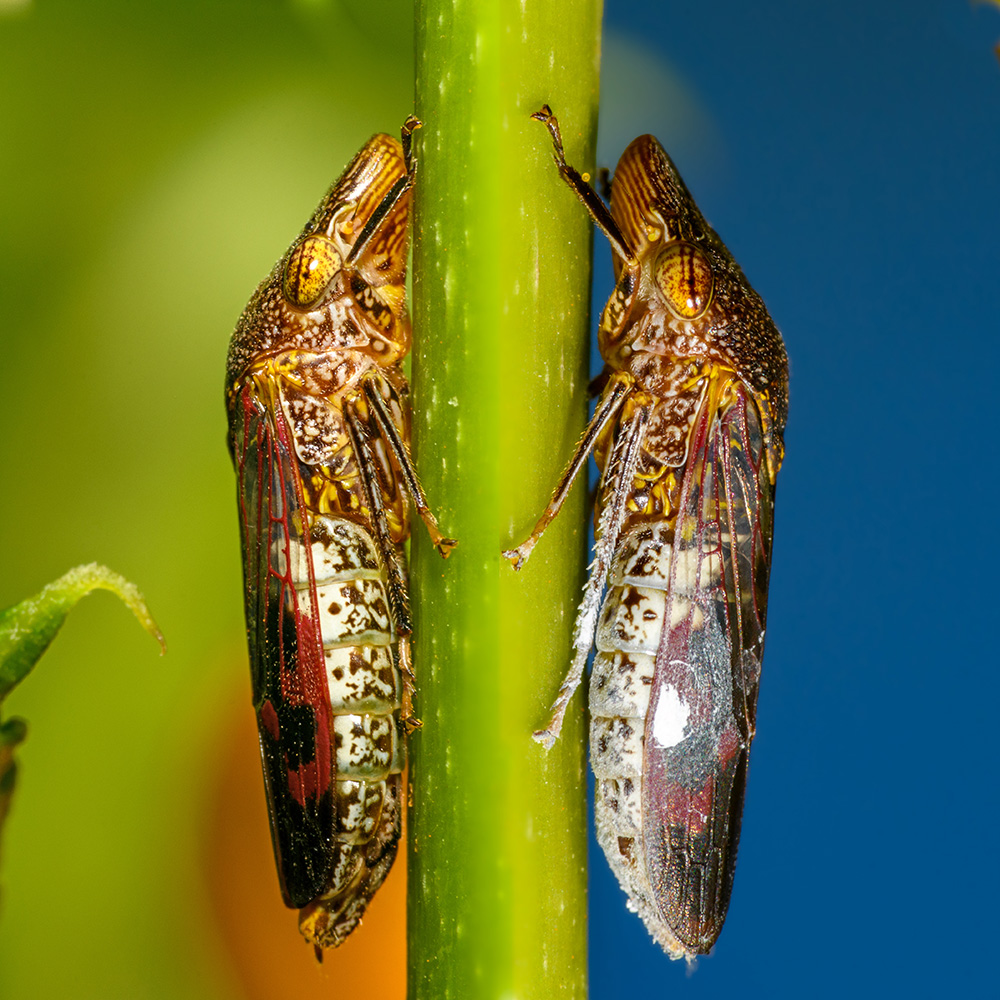
Glassy-winged sharpshooter – Homalodisca vitripennis – (formerly H. coagulata) male and female photo composition
published on August 13, 2026 – 3:18 PM
Written by Emi Obrero
To keep a fatal grapevine disease out of Northern California, the state board that funds Pierce’s disease research has committed $820,000 to an emergency response aimed at stopping the glassy-winged sharpshooter from spreading north.
The Pierce’s Disease and Glassy-Winged Sharpshooter (PD/GWSS) Board at the California Department of Food and Agriculture approved the funding as county officials work to contain a pest outbreak that traces back to a Fresno nursery.
Tracking invasive pests
Since May, county agriculture officials have been tracking down nearly 10,000 grapevines from Burchell Nursery near Fowler that may have carried the invasive pest into 40 counties. Officials have contacted more than 3,100 customers who purchased the grapevines, inspected and/or destroyed more than 2,900 plants and set more than 2,700 additional insect traps. The board’s special emergency funding is intended to support that work.
California’s wine industry generates about $73 billion in annual economic activity and supports more than 422,000 jobs statewide, according to the board. A 2025 economic study estimated that if glassy-winged sharpshooters spread unchecked, outbreaks of Pierce’s disease could cost winegrape growers an additional $56 million a year in lost production and vine replacement.
“California’s winegrape industry is facing some of the hardest economic times in a generation, but we recognize what is at stake if this destructive pest becomes established in Northern California,” said Trey Irwin, board chair. “Putting $820,000 from the Board’s limited reserves toward this effort is a major commitment for our industry and shows how seriously we’re taking this threat.”
Statewide issue
Glassy-winged sharpshooters have been found on customer plants in 23 counties. Inspections and trapping must continue for at least three years to track whether the pest spreads beyond customers’ properties.
The funding comes from assessments paid by California winegrape growers to support pest and disease research and prevention. Since 2001, the board has invested $99 million in research, outreach, prevention and control for Pierce’s disease, grapevine viruses and the insects that spread them.
“It is important that we continue with inspections and trapping to closely monitor the situation,” said Michelle Pham, response lead with the CDFA Pierce’s Disease Control Program. “This effort depends on close coordination among growers and county, state and federal agencies. For 25 years, that partnership has helped keep the glassy-winged sharpshooter from spreading throughout California.”
People who suspect they have found a glassy-winged sharpshooter should contact their local agricultural commissioner’s office. For photos of the pest and more information, visit the CDFA website.