
Proposition 40, which would levy a one-time tax on billionaires, holds a narrow lead among likely voters overall. The poll also shows Proposition 39, a voter ID proposal, trailing.
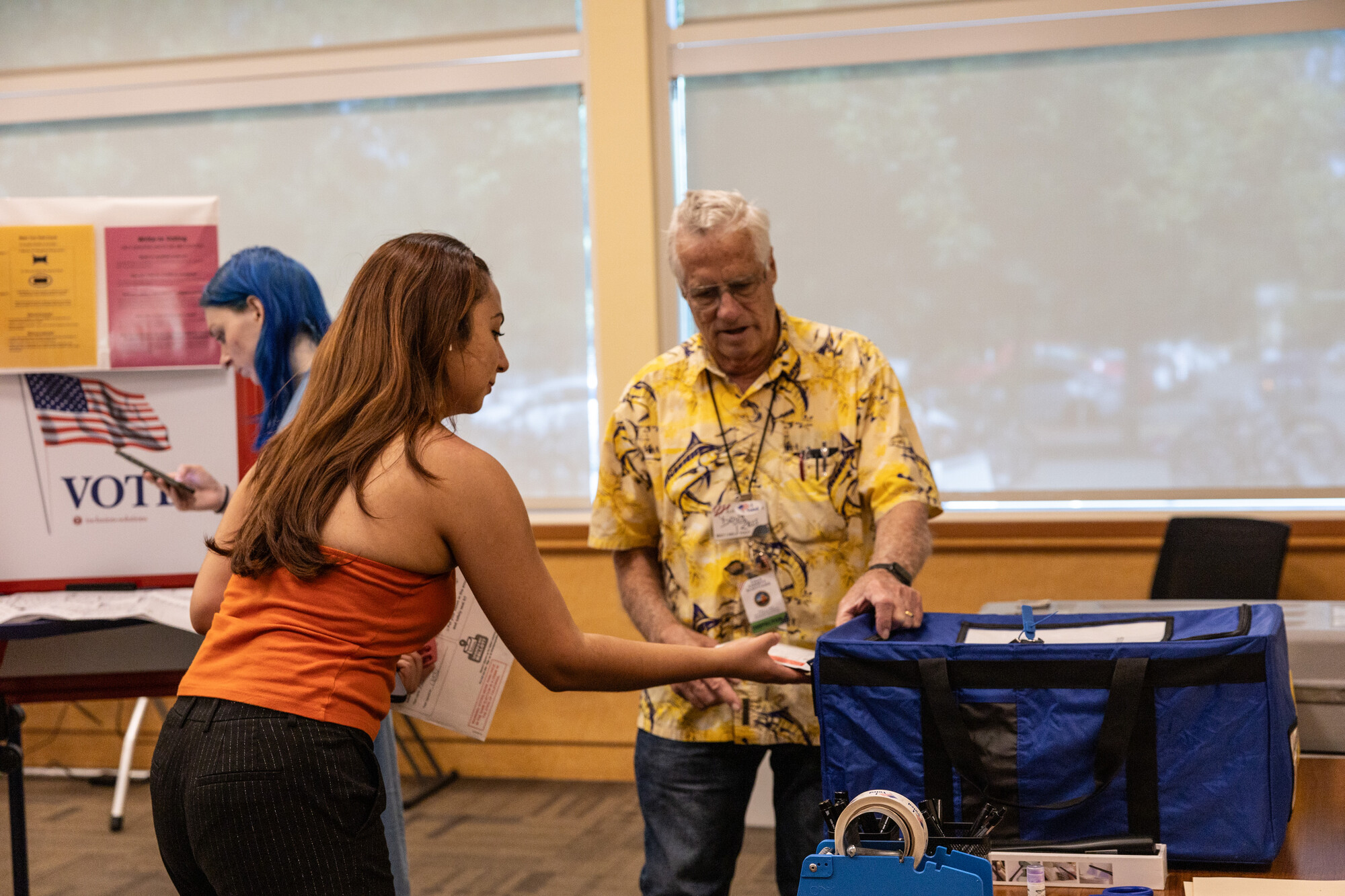
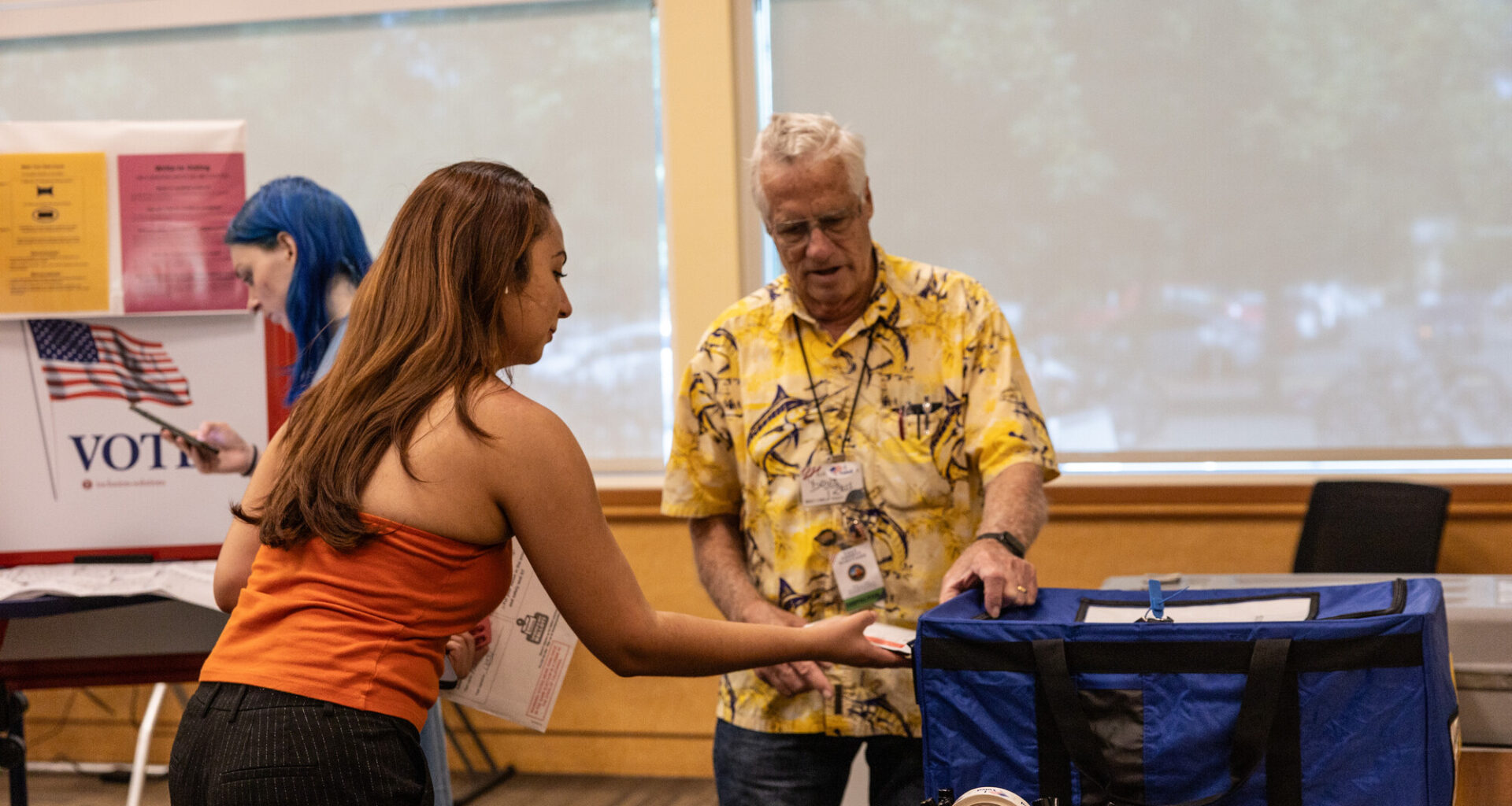
A voter drops off their ballot at UC Davis in Davis on June 2, 2026. (Gina Castro/KQED)
California Democrats are strongly backing a proposal to levy a one-time tax on billionaires and opposing a measure that would require voters to present ID at the ballot box, according to a new UC Berkeley poll.
Among the overall likely November electorate, the tax measure labeled Proposition 40 holds a narrow lead, 48% to 41%, the survey from the Institute of Governmental Studies found. Opinions about the proposed 5% tax on billionaires’ overall wealth — which would be used to backfill cuts to federal healthcare funding — were highly partisan: 70% of Democrats say they’ll back it, with 80% of Republicans opposed.
Voters with no party preference were more evenly split, with 50% saying they’ll vote yes and 39% saying they’ll vote no. Overall, 11% of likely voters told IGS pollsters they are still undecided.
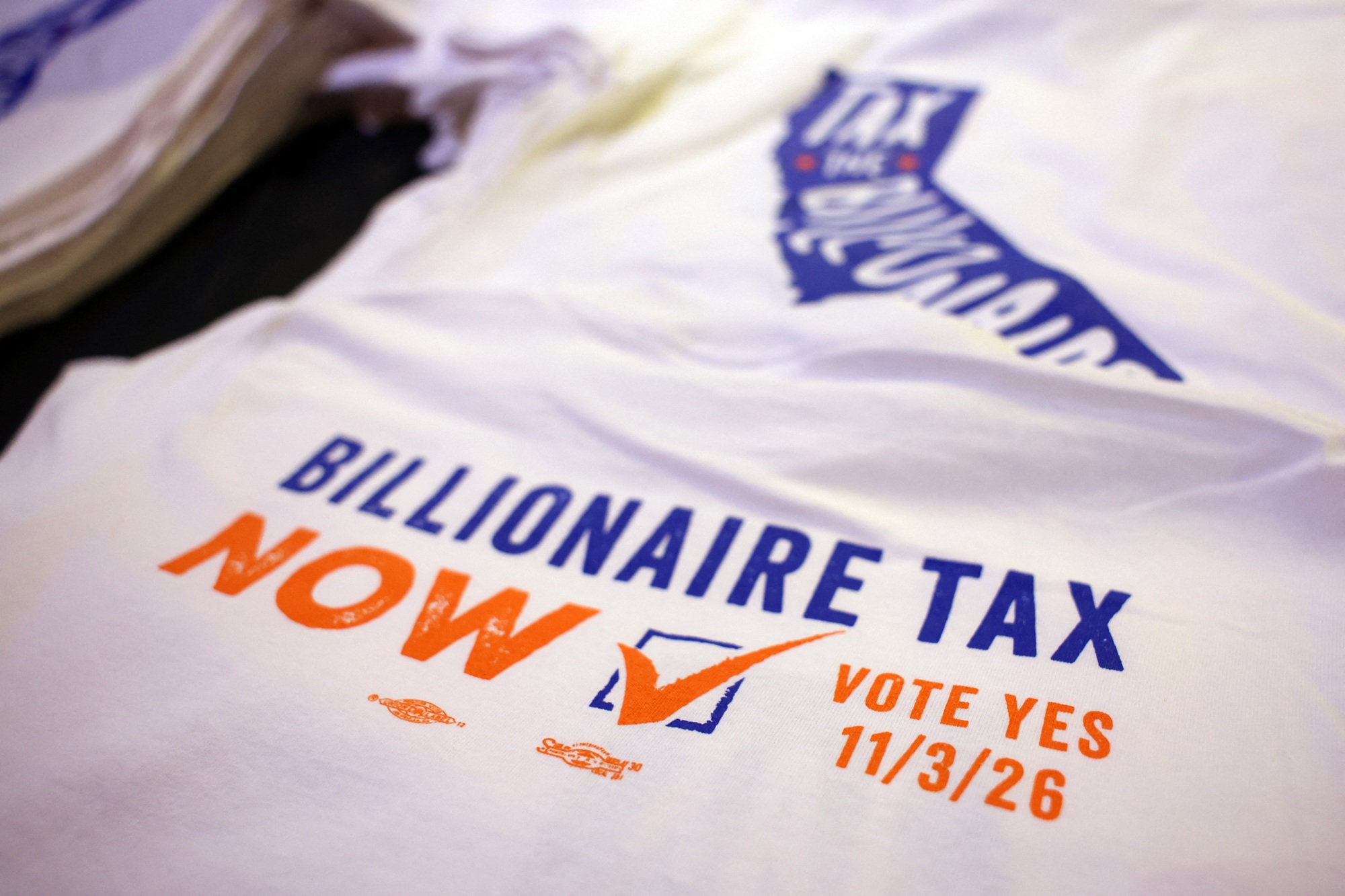 A T-shirt with a campaign message is seen before the start of a rally led by U.S. Sen. Bernie Sanders, an Independent from Vermont, during the campaign kickoff for the California Billionaire Tax Act at The Wiltern in Los Angeles, on Feb. 18, 2026. Sanders is seeking the support of California voters for a November ballot initiative of an emergency tax on billionaires to help the state’s healthcare system.
Though the poll suggests strong support for the billionaire tax among Democratic voters, the measure has split the party’s political establishment. It narrowly won the endorsement of the California Democratic Party and is backed by the healthcare workers union SEIU-UHW West, but it is opposed by Gov. Gavin Newsom and some labor unions, in addition to a group of billionaires.
IGS co-director Eric Schickler said the survey indicates that Proposition 40’s backers will need to rely on more liberal voters to succeed in passing the tax.
“These results suggest that the billionaires tax initiative is shaping up to be a closely fought contest, with the key question being whether opponents can make big enough inroads among the state’s traditionally Democratic-leaning voters,” Schickler said in a statement.
The poll also asked likely voters about two other ballot measures, authored by a group of billionaires who oppose the wealth tax, that are aimed at nullifying the billionaire tax if it passes.
Proposition 41 would prohibit new taxes enacted after Jan. 1 of this year — when Proposition 40 would retroactively take effect; Proposition 42 would prohibit both wealth taxes like Proposition 40 and any retroactive taxes.
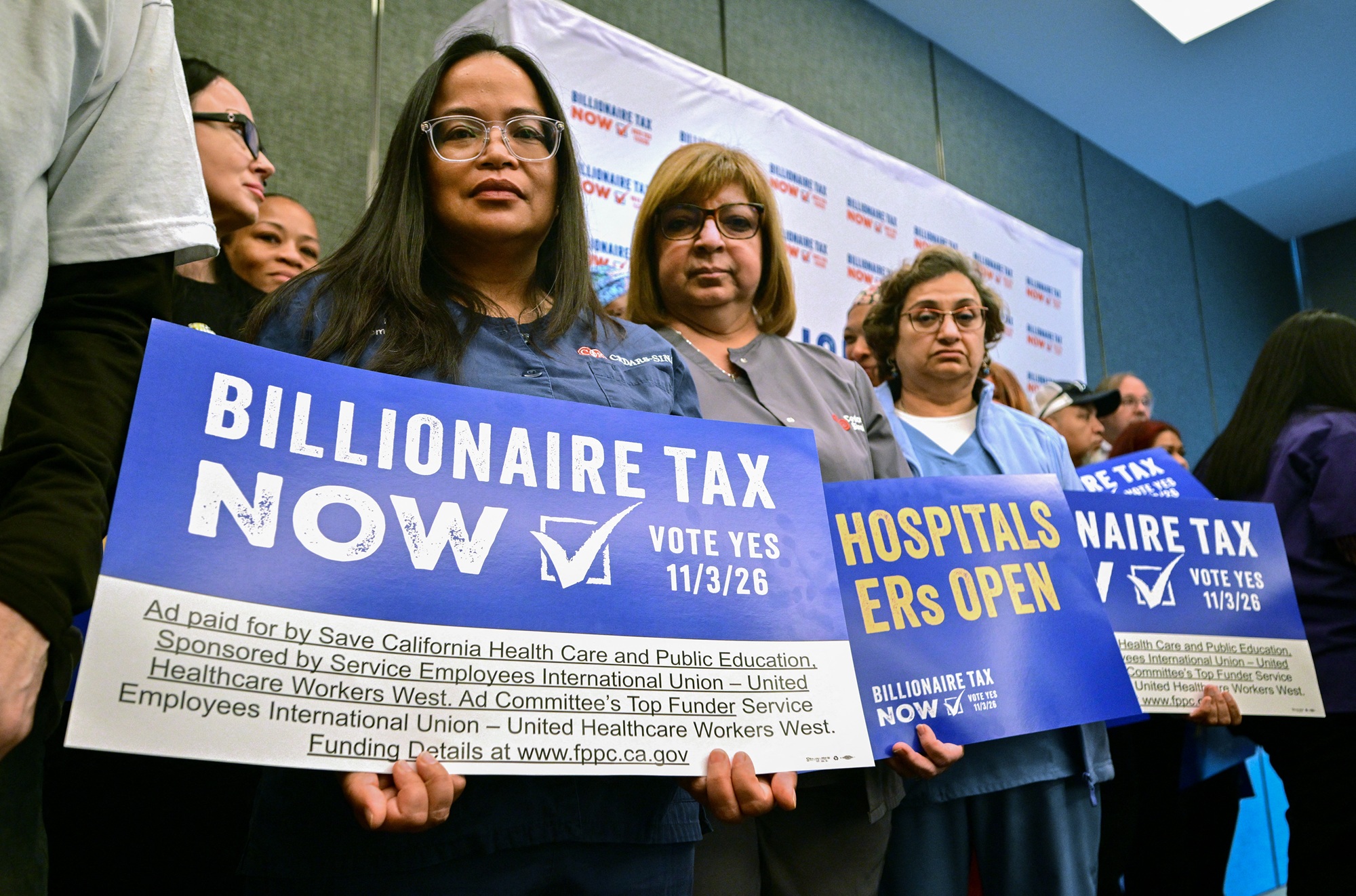 Healthcare workers and other supporters with the Billionaire Tax Now coalition hold placards during a media briefing in Los Angeles on April 27, 2026. Healthcare workers and allies outlined the next steps in their effort to get California’s Billionaire Tax on the ballot for the November election, with their efforts already exceeding 1,500,000 signatures collected from across the state. The initiative would levy a one-time 5% tax on California billionaires.
Both measures were written so they would supersede Proposition 40 if they receive more votes than the billionaire wealth tax.
IGS found likely voters had no clear consensus around the measures, and that many had never heard of them. That’s in contrast to the proposed billionaire tax, which more than 70% of likely voters are aware of despite the fact that the campaigns for and against it have not yet kicked off in earnest.
The survey was conducted online in English and Spanish from Aug. 3 to Aug. 9 among 4,207 registered voters; a sample of 2,310 were considered likely voters in the November general election.