
NEED TO KNOW
Ripon, California, voted to ban feeding feral cats to protect the endangered riparian brush rabbit
Conservationists say feral cats threaten the rabbits by hunting them and spreading diseases in their habitat
Critics argue the ordinance won’t solve the issue without additional efforts like trapping and neutering the cats
A California city has voted to ban residents from feeding feral cats on public property in an effort to save an endangered rabbit found nowhere else in the world.
According to a public bulletin from the city of Ripon, the Ripon City Council, in California’s Central Valley, unanimously adopted an amendment to its municipal code on Tuesday, Aug. 12, that prohibits people from feeding feral cats and stray animals on public property, with an exception for animal control officers conducting trapping programs.
Police Chief Daniel Sauer reportedly said the ban will allow city staff and police to warn those found feeding feral cats first, followed by a $100 citation if they don’t comply.

A person sitting on a park bench feeding stray cats
Credit: Svetlanais/Getty
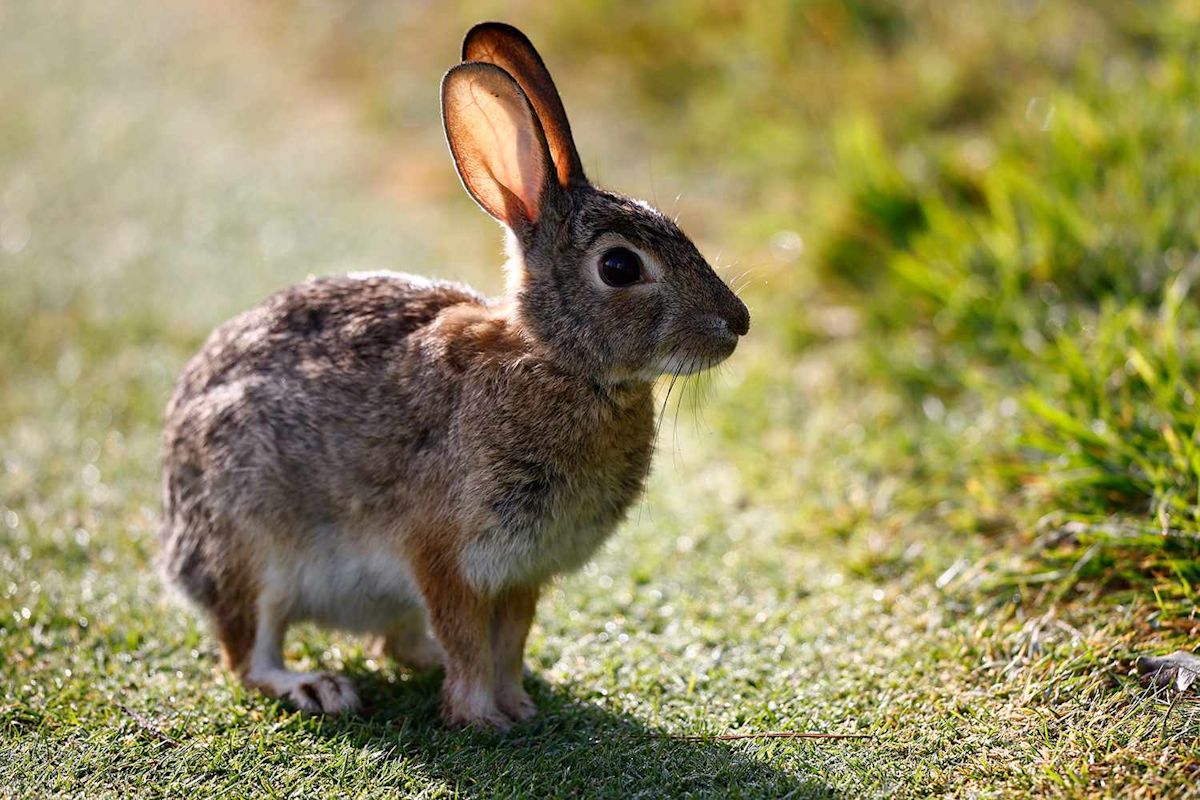
The measure aims to protect the riparian brush rabbit, an endangered species found only along the lower Stanislaus and San Joaquin rivers. The rabbit resembles a desert cottontail but is smaller, with a darker, grassy-brown coat; adults reach 11 to 14 inches long and weigh between 1 and 1.8 pounds.
According to officials, catastrophic flooding in January 1997 devastated the species, inundating Caswell Memorial State Park and roughly 70 square miles between Manteca and Tracy. Before the flood, the park was home to an estimated 200 to 300 brush rabbits, the largest known wild concentration of the endangered species. In 1998, conservationists spotted only one rabbit there, and they have been working to rebuild the population ever since.
Feral cats are skilled hunters that can also spread diseases to the rabbits, further complicating those conservation efforts. In Ripon, residents say the cats are a common sight, including around Marvis Stouffer Park, where people have been leaving out bowls of cat food. City staff reported a growing number of abandoned cats not only in larger parks but also at neighborhood parks. The populations are “often sustained by residents feeding them in public places.”
“We have a lot of cats in our neighborhood, and people do feed them,” Ripon resident Aislinn Ingles told CBS News. Ingles said she understands why people want to help stray cats but believes controlling their population is important. “Spay and neutering sucks. It costs money, but I think it is a needed thing, especially around here where there are so many,” she added.
Susan Manning, president of Tri-County Wildlife Care, said feeding feral cats contributes to population growth. “If people feed, they breed,” Manning said, adding that roughly one in seven Americans feeds cats they don’t own. “We get a warm and fuzzy, and we want to take care of them, so then we feed them, and that’s bad.”
PEOPLE reached out to the City of Ripon and Tri-County Wildlife Care for comment.
Manning argued the ordinance alone won’t solve the problem. “It does not help. People will continue feeding. They’ll be sneaky around it, and it does nothing about the current population,” she added. “The only way for it to be humane is if they trap, neuter, release, or they trap, neuter, and find homes for them.”
For Manning, the stakes reach beyond a single species. “When we lose this rabbit, we lose something that’s really critical to us, which is biodiversity,” she said. “Biodiversity helps create clean air and water, which is necessary for all of us to survive and thrive.”
The ban has not yet taken effect but will after a second reading at the city council’s September meeting.
Read the original article on People