
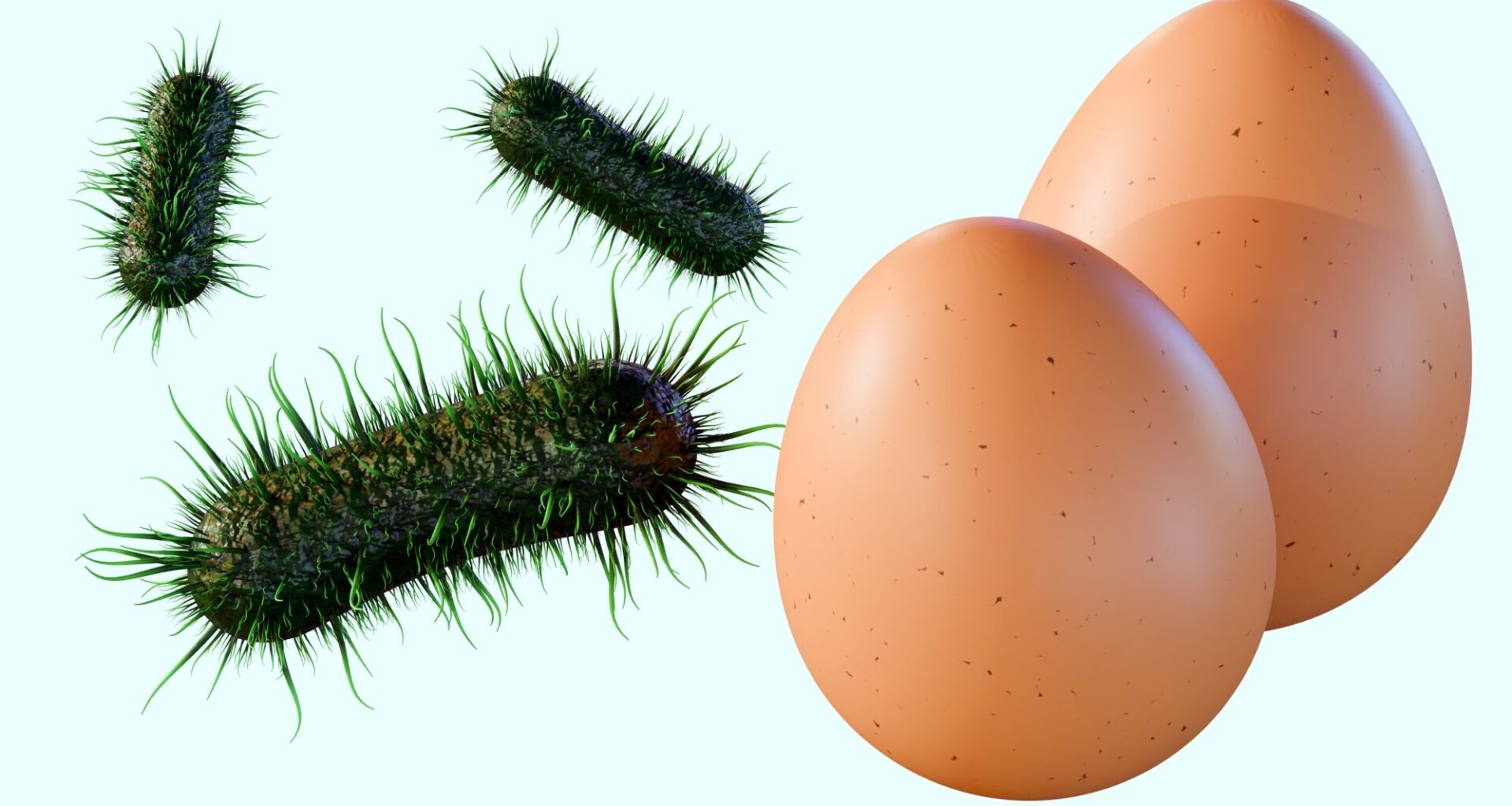
A salmonella outbreak linked to raw eggs used in mayonnaise made by Ramona Family Naturals Market has grown to 21 cases, with seven patients getting sick enough to require hospitalization, according to an update published Friday evening by the county health department.
Only one of the hospitalized patients remains admitted for care, a county official said.
News of the outbreak first surfaced in a public health bulletin on July 28, with 13 cases and four hospitalizations linked to the same strain of salmonella bacteria through whole-genome sequencing, which is able to compare the genetic code of bacteria collected from different individuals.
Friday’s update also indicates that Happy Hens, a Ramona poultry farm, supplied the eggs to the market. The county said on July 29 that the market, which also operates a deli, used the mayonnaise in chicken salads and in Ramona Red Sauce which it put on sandwiches and “also sold by the bottle.”
that says on its website that its 14,000 chickens produce 12,000 pasture-raised eggs per day,
The County’s investigation of the salmonella outbreak first linked to mayonnaise produced by Ramona Family Naturals Market has revealed that it was made with raw eggs supplied by Happy Hens, a poultry farm that distributes eggs. Additional cases of the same salmonella strain unrelated to Ramona Family Naturals Market are being investigated.
The outbreak now totals 21 cases, including eight hospitalizations, up from 13 cases and four hospitalizations when first reported on July 28.
The County is working closely with the California Department of Food and Agriculture and the California Department of Public Health on the outbreak. The County’s Department of Environmental Health and Quality has reached out to retail food facilities that may have received eggs from Happy Hens Farms with reminders about proper egg storage, grading requirements and resales.
What You Should Do
Cook eggs thoroughly. Proper cooking, until both yolk and white are firm, is essential to kill the Salmonella bacteria.Discard suspicious eggs. Avoid using cracked or dirty eggs. Do not wash eggs that appear dirty, instead throw them out.Practice safe handling. Always wash hands, utensils, prep surfaces, and containers with hot, soapy water after handling raw eggs to reduce the risk of cross-contamination.What kind of egg do you buy?
The U.S. Department of Agriculture says that only eggs graded AA, A, or B may be sold for human consumption. Eggs below Grade B are prohibited due to safety and quality concerns.All shell eggs must be properly labeled with grade (AA, A, or B), size (medium, large, jumbo),“Keep Refrigerated” and other required information.Eggs should be refrigerated at 45 °F or lower in people’s homes.Anyone who experience symptoms like diarrhea, fever, or abdominal cramps after eating undercooked eggs, seek medical advice and report the illness to the County Department of Environmental Health at (858) 505‑6814 or via the online form.