
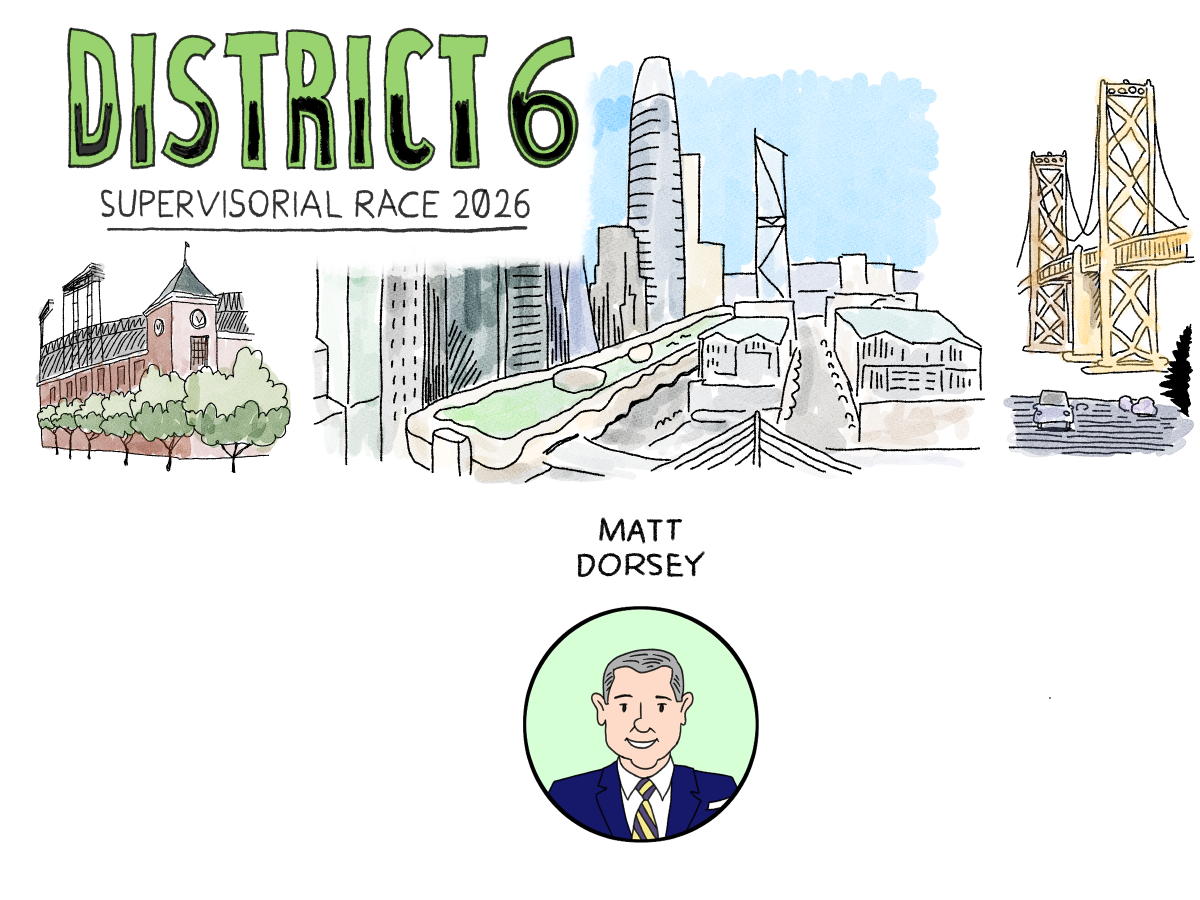
Welcome back to our “Meet the Candidates” series, where Matt Dorsey, the District 6 supervisor who is running for reelection, is responding to questions in 100 words or fewer. Answers are published every Tuesday.
Dorsey is, at present, the District 6 supervisorial candidate who meets Mission Local’s coverage criteria for supervisorial races.
District 6 covers neighborhoods in the east of the city, including SoMa, Mission Bay and Rincon Hill.
Long-term addiction recovery is at the center of District 6 Supervisor Matt Dorsey’s reelection campaign. In the first installment of this series, Dorsey called it his top priority and pointed to his Recovery First ordinance, Cash Not Drugs and drug-free supportive housing as his key legislative accomplishments.
He also warned that federal cuts to Medicaid, which go into effect next year, could “eviscerate” support for drug treatment.
San Francisco officials have projected that federal Medicaid cuts could cost the city as much as $315 million annually. Beginning in July 2027, the Department of Public Health expects to lose between $90 million and $180 million a year, as tens of thousands of San Franciscans potentially lose Medi-Cal coverage.
Those losses would come as San Francisco is trying to expand its treatment for drug and alcohol addiction. Mission Local reported in April that residential addiction treatment remains in short supply, with some people waiting up to four months for an opening, even as the city has added more than 600 treatment-focused beds in recent years.
Mayor Daniel Lurie has made treatment a growing part of the city’s response to homelessness and street drug use, prioritizing residential treatment, psychiatric care and programs with sobriety requirements. His proposed budget this year included $77 million for drug treatment and mental-health services and another $34 million for a reserve intended to provide a cushion for federal cuts to Medicaid and other programs.
But the city is already making cuts within its public-health system. This spring, the Department of Public Health outlined $40 million in reductions over two years, including cuts to contracts with providers offering harm-reduction services, peer counseling and workforce development.
How deeply the federal cuts could affect San Francisco’s drug-treatment programs, specifically, remains unclear.
This week’s question: What will San Francisco need to do to protect its investments in drug treatment and recovery?
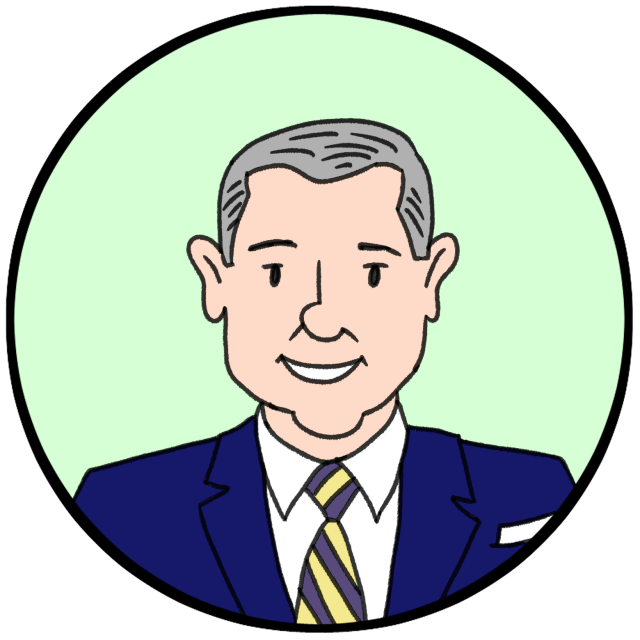
Matt Dorsey
Job: District 6 Supervisor
Age: 61
Residency: Renter, District 6 resident since 2008
Transportation: Public transit, walking, biking
Education: Bachelor of Science in Speech, 1989, Emerson College
Languages: English
—
New Medicaid eligibility requirements taking effect in January 2027 could devastate progress on drug treatment, as the New York Times flagged last year.
As the incoming Budget Committee chair, I’m already working with Mayor Lurie, SFDPH and others to ensure that we’re closely engaged with every individual in drug treatment who’s a beneficiary of Medi-Cal (that’s what we call Medicaid in California) to ensure that no one loses benefits unnecessarily.
In some cases, that may mean connecting people with jobs to help them remain eligible — but they’re local dollars well spent to ensure uninterrupted drug treatment and recovery.
Endorsed by: Mayor Daniel Lurie, District Attorney Brooke Jenkins, Sheriff Paul Miyamoto, Senator Scott Wiener … read more here.
Answers may be lightly edited for formatting, spelling and grammar. If you have questions for the candidates, please let us know at sarah@missionlocal.com // io@missionlocal.com.
You can register to vote via the sf.gov website.