
For $77.2 million, approximately six miles between the Excelsior Avenue Undercrossing in Kings County and Elkhorn Avenue in Fresno County will be converted from a conventional two-lane highway to a divided four-lane expressway.
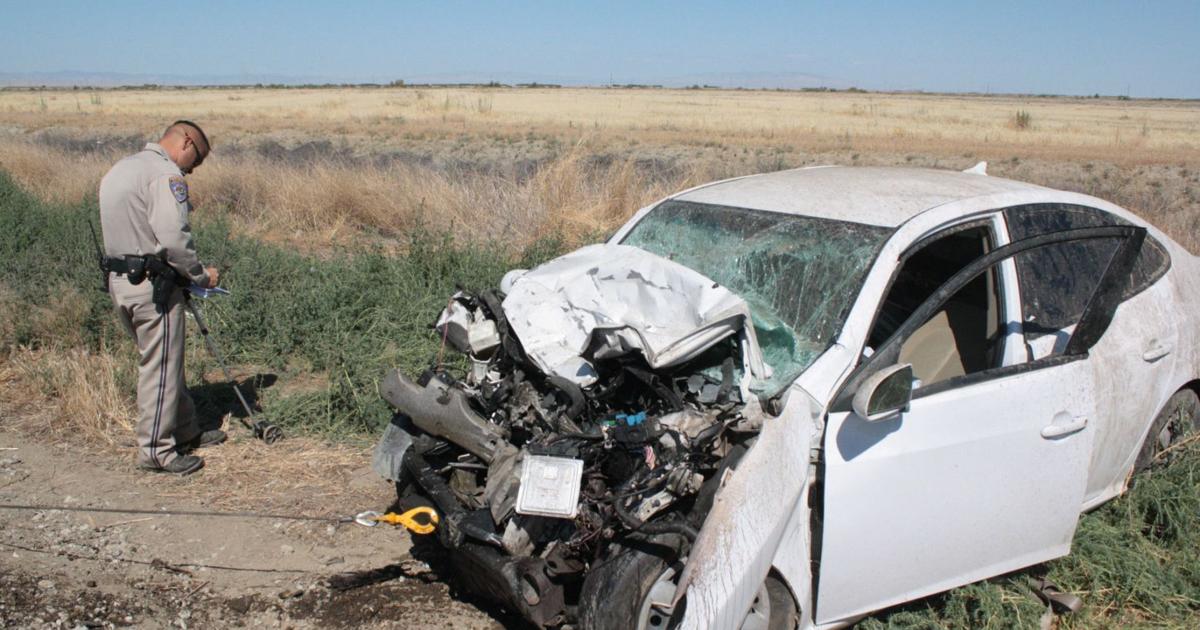
The current two-lane stretch is one of the deadliest roads in Fresno County — after segments of the highway to the north and south were widened into an expressway with two lanes in each direction.
It’s a popular route for commuters traveling into Fresno and for county residents heading to Yosemite National Park and the central coast. The stretch has been notorious for backups at times due to accidents or other delays.
The realignment will expand to the east, provide a 46-foot-wide median, and upgrade design at intersections within the project limits, according to Caltrans.
Caltrans and Fresno County officials, who celebrated with a groundbreaking ceremony last week, say the project will improve safety and reduce travel times.
“Today marks a major step toward a safer, more reliable State Route 41,” said Caltrans District 6 Director Michael Navarro in a statement. “By upgrading this segment to a four lane expressway, we’re delivering the improvements residents deserve while strengthening access not only between Fresno and Kings counties, but also motorists travelling through the San Joaquin Valley to major destinations like Yosemite National Park and the Central Coast.”
Project has been long awaited
Because of the number of deadly crashes, a group of concerned community members from the area created the Facebook group Widen 41 in 2020 to lobby for expansion of that part of the highway.
Lorna Roush, a local resident and administrator of the group, lost a family member to a crash on the road in September 2020.
“It was such a bittersweet day,” Roush posted about the groundbreaking ceremony. “I am so proud of our community, the leaders and the departments that were involved getting this project done.”
Funding comes from multiple sources
Funding for the project is coming from multiple sources, including:
$29.02 Million – State Transportation Improvement Fund – Interregional Improvement Program (STIP-IIP)$12.56 Million – State Transportation Improvement Fund – Regional Improvement Program (STIP-RIP)$16.25 Million – State Highway Operation and Protection Program (SHOPP)$15.27 Million –Measure C Funding$4.16 Million – Senate Bill 1 (SB1)
The project is expected to be completed in the fall of 2028.
In addition to safety and congestion relief, Caltrans says the project will enhance the operational efficiency of the regional movement of freight and goods.