
Of the $60 billion Medicare losses to fraud each year, many of the most predatory and shameful scams target the hospice sector. Investigators with the Senior Medicare Patrol (SMP) regularly uncover schemes that rob dying patients of care, while enrolling healthy people in phony hospice centers.
But positive change is afoot. The fraud patterns uncovered by the California SMP in its local enforcement have inspired a new nationwide policy that already is protecting Medicare beneficiaries and rooting out scammers.
Working along with the California Hospice and Palliative Care Association (CHAPCA), the Senior Medicare Patrol convinced top federal Medicare administrators to adopt a strategy that is simple in execution and instant in results. Medicare sends a letter to new hospice enrollees, notifying them they’ve opted into hospice care for their terminal illness. If that’s accurate, they are told they don’t need to do anything. If it’s incorrect, they’re advised to call 1-800-MEDICARE immediately to report a possible fraud.
“The scammers knock on people’s doors, go to health fairs, or set up presentations at restaurants. Their goal is to get people to sign up for services or free products—but what they’re actually signing, is a form giving consent to be enrolled in hospice.”
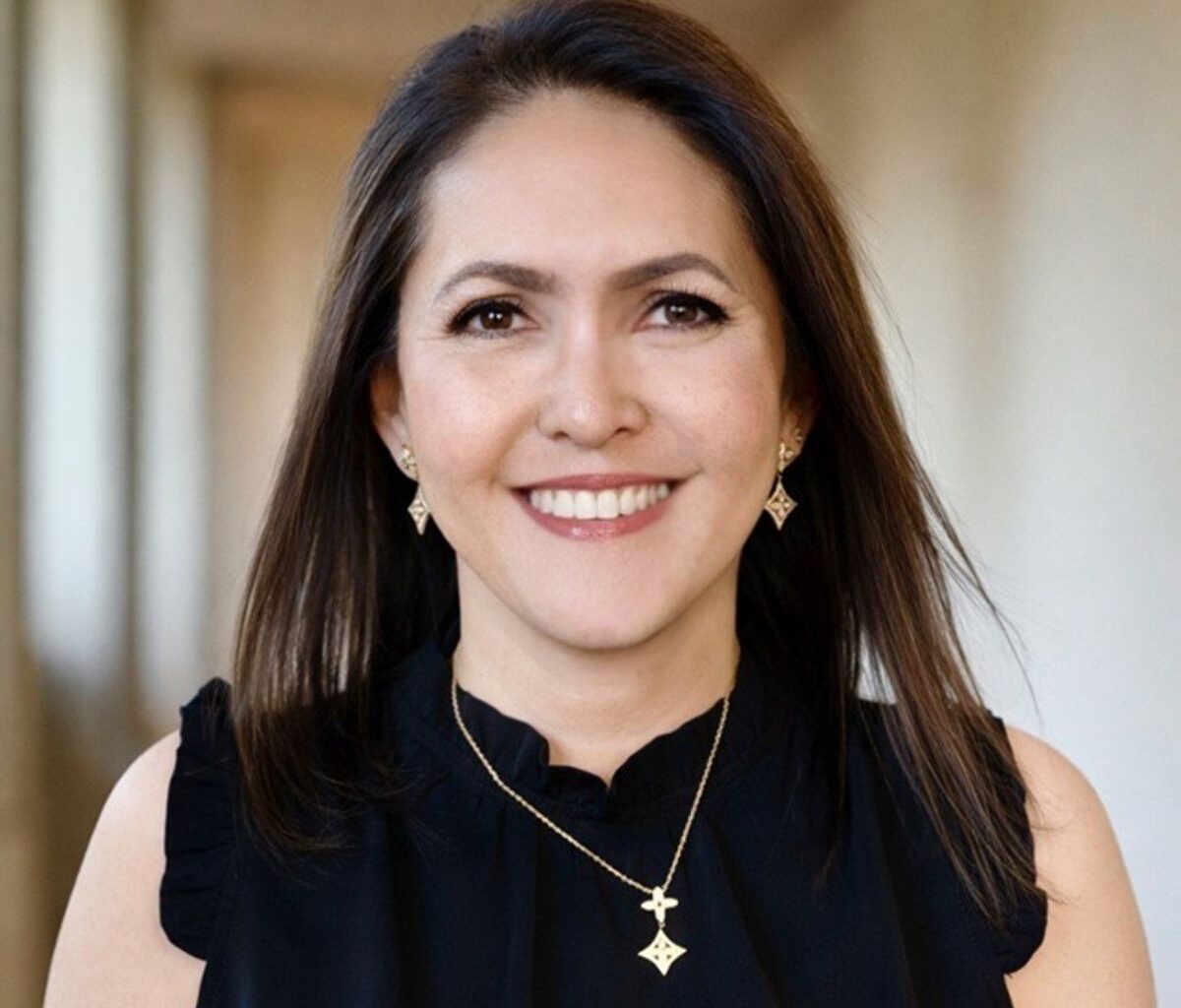
Catherina Isidro
Executive Director, California Medicare Patrol
The genesis of the policy was a January meeting in Los Angeles with Dr. Mehmet Oz, Administrator of the U.S. Centers for Medicare and Medicaid Services. There, he heard a presentation from Catherina Isidro, Executive Director of the California Health Advocates and Statewide Director of California SMP, and Sheila Clark, President of CHAPCA, the hospice association.
Oz responded enthusiastically, according to Isidro. In particular, Oz liked the idea of Medicare sending out the letters. Two weeks later, a pilot project in California and Nevada launched.
“The letters started to go out—and they are working,” Clark says. “We’re getting new calls every day as a result of this policy. We hope it becomes a nationwide initiative.”
As part of the January meeting, Clark recalls, Oz was driven to a Los Angeles neighborhood with 40 licensed hospices in one two-block area.
“Los Angeles County is ground zero for hospice fraud in America. Dr. Oz was able to see it for himself,” she says.
During the presentation, Isidro and Clark described hospice scams in their various guises, backed up by witnesses who talked of their own victimization by fraudsters.
Senior Medicare Patrol investigators have seen it all, Isidro says:
“The scammers knock on people’s doors, go to health fairs, or set up presentations at restaurants. Their goal is to get people to sign up for services or free products – but what they’re actually signing is a form giving consent to be enrolled in hospice,” she says.
In one scam, for example, anybody who fills out a form for a free consultation with a chiropractor was also enrolled for hospice.
“Then, once they are enrolled in a fraudulent hospice agency, Medicare will be billed,” Isidro says.
Another manipulative scammer strategy involves enlisting doctors to sign false diagnoses of a terminal illness. Medicare’s hospice benefit starts with a terminal prognosis of six months.
The scams are everywhere, she adds.
“Television ads are also selling scams. These advertisers are not vetted before they go on the air. We’ve all seen them,” Isidro says. “They say, ‘Call the number on the screen.’ Beneficiaries call, give their Medicare number, and that’s that – they’re enrolled in hospice.”
Victims also sometimes discover they’ve unknowingly been enrolled in hospice when they try to see a doctor or get a prescription. Medicare denies their claim, because terminally ill hospice patients receive only palliative care.
The new notification policy advocated by Isidro and Clark aims to get a letter to someone within days of their false enrollment in hospice.
“Victims are in purgatory until this is straightened out,” Clark says.
In the past, she explains, it took six months to reverse the problem and get the victim’s regular health coverage reinstated. Recently, though, Medicare has streamlined its hospice unenrollment process to less than 12 days.
“That, combined with the new notification letters, is making a tremendous difference,” she says.
The overarching goal is to protect and preserve Medicare’s hospice benefit for those who really need it, according to Isidro.
“Safeguarding the Medicare program is a fiscal responsibility and a moral imperative,” she says. “Every dollar lost from fraud is diverted from health care services for beneficiaries. That’s an important message. We need to preserve the security of Medicare so it can remain reliable and sustainable.”