
Every time a major El Niño is forecast, Californians ask the same question: Will this finally end the drought?
After years of water restrictions and headlines about shrinking reservoirs, a winter full of storms sounds like good news for California. A wet winter can ease immediate water shortages, but it’s often followed by years of dry conditions. Climate change is making weather whiplash even more dramatic, bringing fewer but more intense storms separated by longer stretches of dry weather.
The real question isn’t how much water weather systems like El Niño will bring to California; it’s how much water we can capture before the next drought inevitably arrives. That’s why California’s response matters. Last year, the state acted boldly by enacting Senate Bill 72, a law that establishes a statewide target of nine million acre-feet of additional water supply by 2040.
Now, California must deliver on that goal, and doing so will take sustained leadership, accountability, funding and collaboration across every level of government and with stakeholders to prepare for weather and climate changes.
For the East Bay and greater Bay Area, we need to be ready to capture the rainfall El Niño brings and store as much water as we safely can for dry periods that follow. That means capturing rainwater that would otherwise run off, recharging the Livermore Valley groundwater basin when extra water is available, and making sure we have the pipes, pumps and storage capacity needed to move and save that water before the storms arrive. But we can’t do it alone. The state needs to support these efforts with larger, connected water projects and a long-term plan that prepares California for a future of more unpredictable weather.
Weather challenges keep getting more complicated. The National Oceanic and Atmospheric Administration says there’s an 80% chance this El Niño develops into one of the strongest on record. For Southern California, that could mean significantly more rainfall and potential flooding. For Northern California, including the Bay Area, the picture is less predictable. El Niño doesn’t always translate into above-average rainfall or a record Sierra snowpack here.
Zone 7, which serves the Tri-Valley communities of Dublin, Livermore, Pleasanton and parts of San Ramon, receives approximately 80% of its water through the State Water Project, a statewide system serving 27 million Californians that depends on rain and snow falling hundreds of miles away before flowing through the Sacramento-San Joaquin Delta.
Missed opportunity
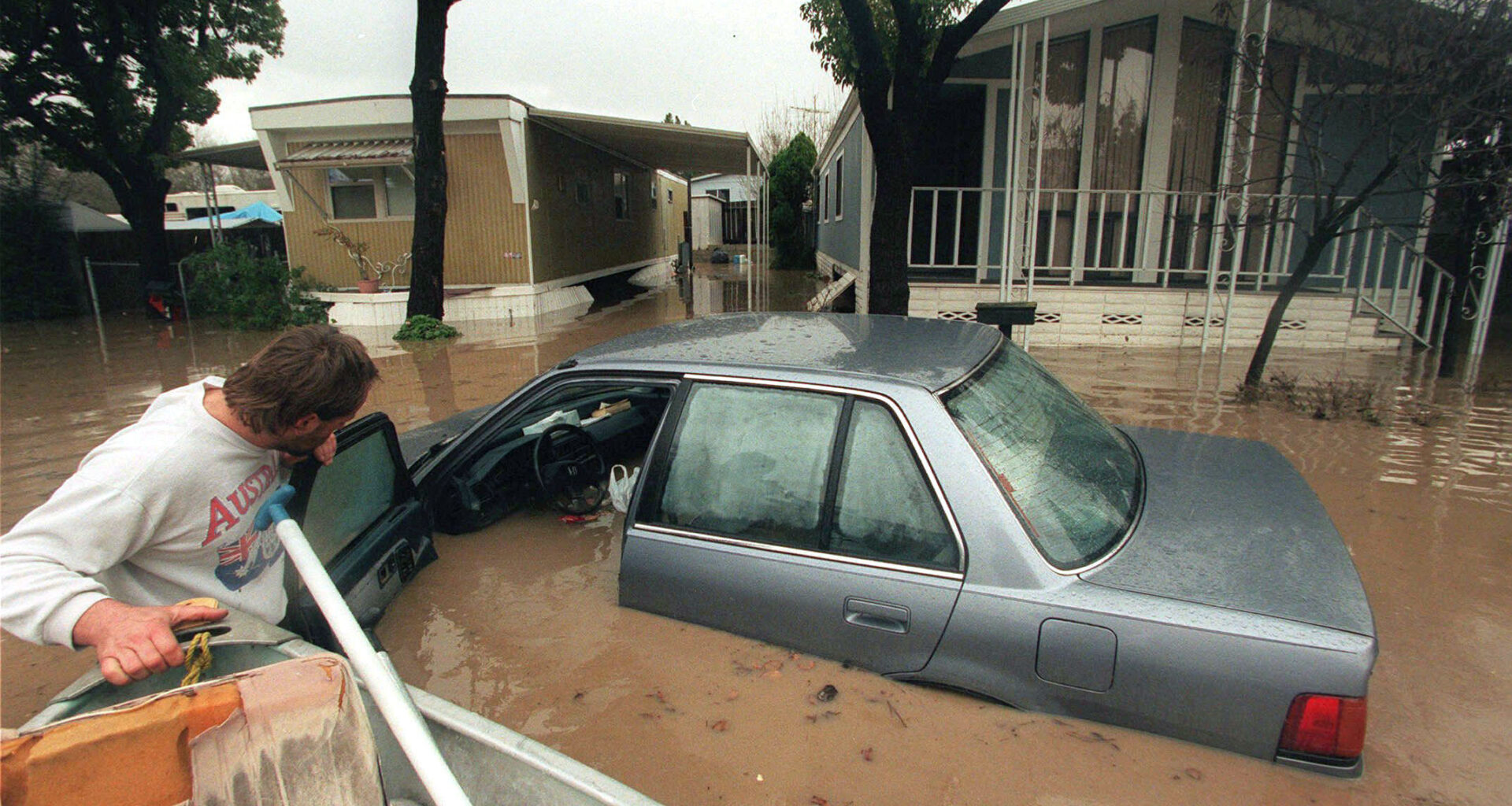
In the winter of 2022-23, nine atmospheric rivers delivered an estimated 31 trillion gallons of water to California in just three weeks — enough to dramatically improve drought conditions, but arriving so quickly that it also caused widespread flooding, landslides and 21 deaths. The Bay Area experienced its wettest three-week period in 161 years, with San Francisco and Oakland each receiving more than 17 inches of rain.
Some of that water was captured and used to recharge groundwater and fill reservoirs, but much more flowed through creeks and rivers and ultimately out to the Bay. During this winter season, Zone 7 saw more than 180,000 acre-feet (59,000 million gallons) leave the Tri-Valley area and was only able to capture and store about 5,000 acre-feet of this water.
With more robust infrastructure, we could have easily tripled this amount and still provided ample flows for environmental uses. Now imagine this multiplied by the entire Bay Area. And this doesn’t even count State Water Project water that Zone 7 was not able to store.
The lesson is not simply that we need more storage in the Bay Area. We need a connected system — from local stormwater capture and groundwater recharge to regional and statewide conveyance and storage — capable of moving and saving more of that water when it arrives, so it can become a resource during the dry years that follow.
Preserve, protect
Those storms were a reminder that flood protection remains essential but also that the water rushing through our rivers during a storm presents an opportunity to strengthen our water supply for the dry years that inevitably follow, rather than letting it flow unused out to the river. For us, flood protection and water supply aren’t competing priorities. They’re two sides of the same challenge. For decades, California’s default answer to drought has been to ask people to conserve, and Californians have responded by making changes to their property and lifestyle. Reliable water powers our economy, grows our food, supports our communities and protects our environment. It is the most critical infrastructure for our environment and well-being.
The challenge is to shift from delay and indecision to implementation. We know what will happen if we fail to implement a state water plan. Research from UC Davis and UC Merced estimates that failing to close that gap could cost California up to $14.5 billion annually and more than 67,000 jobs.
Sites Reservoir is an example of California following through on its promise to residents to prepare for what comes next and deliver on the state’s water supply target. Sites is designed to capture excess flows from the Sacramento River during future wet years, with the capability to hold up to 1.5 million acre-feet of water, enough to supply millions of homes for a year, and make that water available during droughts when Californians need it most. Currently, California does not have this level of infrastructure to capture events of this magnitude.
No single project will solve California’s water challenges. California’s water future depends on building a portfolio of projects that work together to capture water when it’s abundant and make it available when it’s not.
We can’t control whether El Niño arrives or how strong it becomes, but we can decide whether we’re ready. The next governor and Legislature must prioritize the state water plan, make necessary changes to expedite projects and encourage conservation, and provide the funding that will be required.
Over the next 100 days, Californians will hear from future leaders about their plans for the state. Let’s make sure that implementing the state’s water plan is part of the discussion and the commitment to have a water system that can adapt to El Niño and other challenges remains a high priority of the state.
Valerie Pryor is the general manager of Zone 7 Water Agency (officially the Alameda County Flood Control and Water Conservation District, Zone 7), the wholesale water supplier and flood protection agency for the Tri-Valley region in eastern Alameda County.