
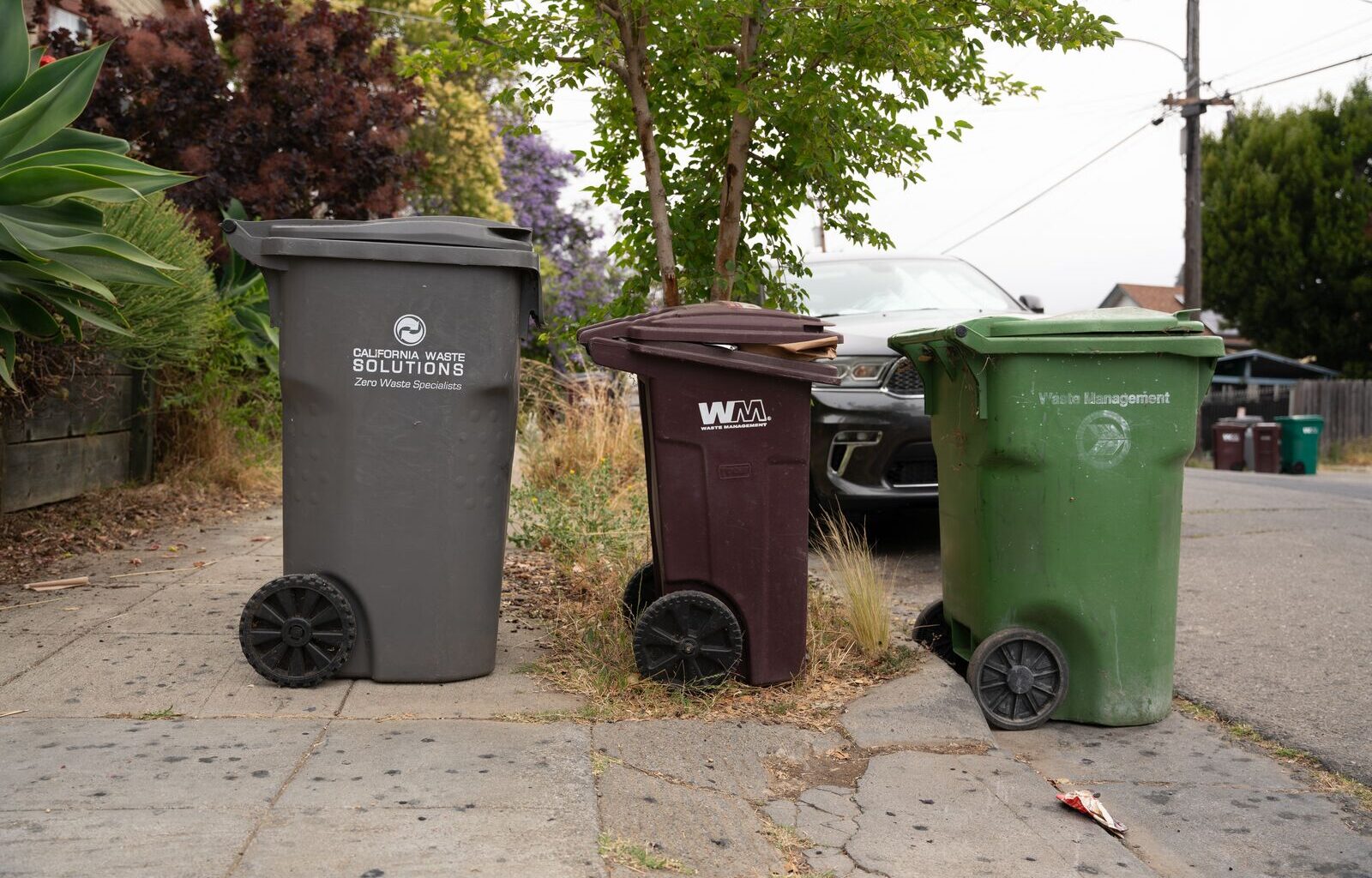
Last week, we published a story advising Oakland residents that the city’s curbside compost collectors don’t accept those green bags that a lot of people use in their kitchen compost pails.
In fact, the city told us, no man-made items whatsoever are allowed in the green bins. This is because the contractor, Waste Management, cannot process any type of plastic or bioplastic at its compost plant, and store-bought products like green compost bags can contain additives or fail to disclose all ingredients. Waste Management said it’s able to sort out many contaminants, but the system is not perfect, and some bag scraps can slip through.
That news did not, er, go to waste. We heard from oodles of readers who were variously shocked, angry, or demoralized — or relieved the word was getting out about the limitations. Many said they were frustrated that there hasn’t been clearer public information provided, and lamented that Bay Area cities, as well as private grocers, have conflicting rules and practices. (You can check your city’s rules here.)
Robin Plutchok, a program manager at StopWaste, said there’s growing awareness of issues with bioplastics, and the rules are changing as we learn more.
“While some local cities and contractors may still accept certified compostable plastics in the green/organics cart, acceptance does not necessarily mean those materials are composted,” Plutchok said in an email. “In most cases, the compost facility pre-processes and removes the compostable plastics as well as other contaminants out of their feedstocks — which is both challenging and costly.” And contractors like Waste Management sell compost to farmers, who require all-natural certification.
Many of you said you were at a loss over how to contain your leaky, odorous food scraps if not in green bioplastic bags. Lots of people asked us for solutions.
So we turned to our readers, asking you in our Saturday newsletter about your tips and tricks for composting without contaminating. You provided plenty of creative options. Read on.
Good old-fashioned backyard composting
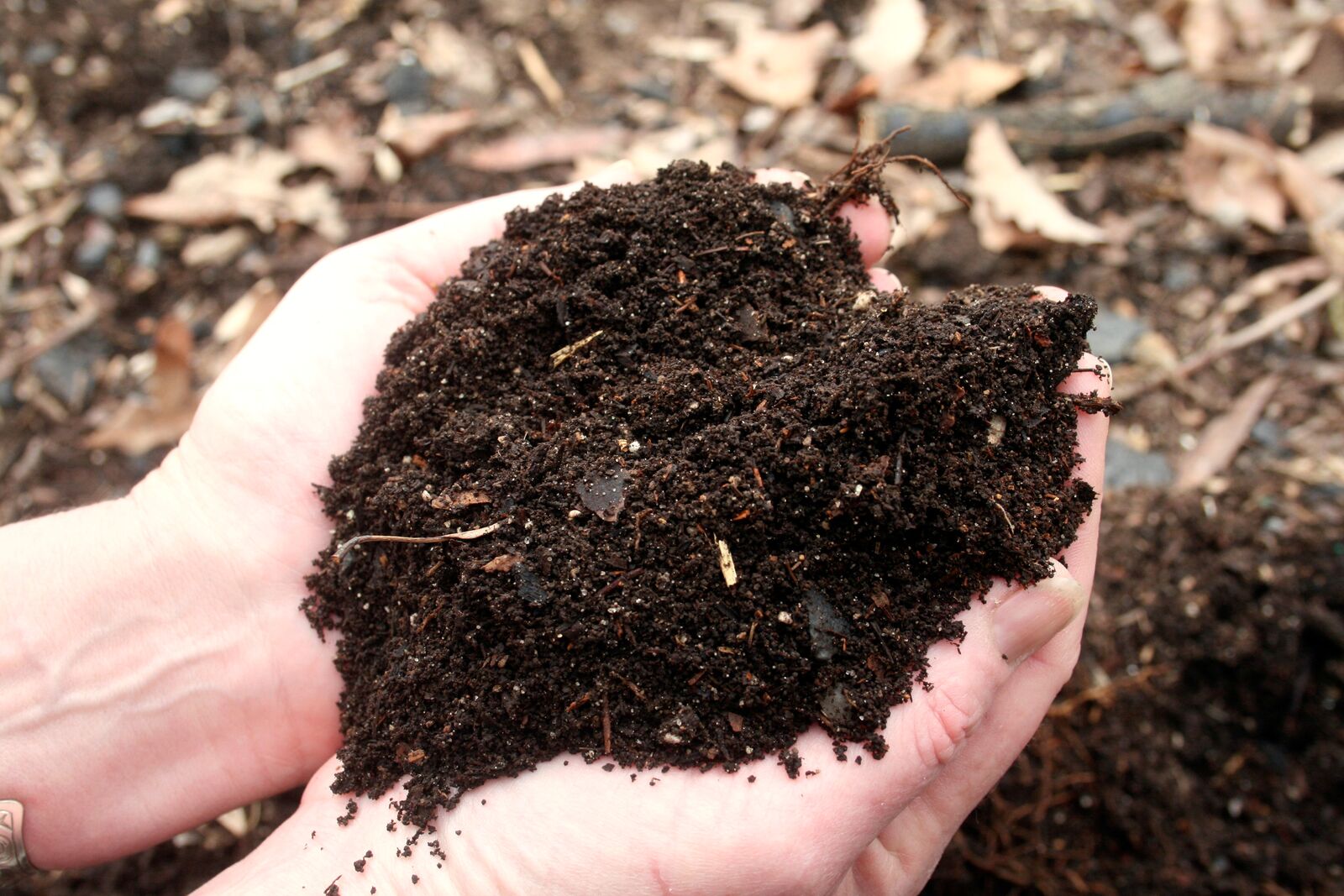 Compost made from decomposed kitchen scraps and debris from the yard and garden. Credit: AP Photo/Dean Fosdick
Composting existed long before big trucks began stopping by our curbs to haul away food scraps each week. Many Oakland residents who have backyards keep large compost piles, where microorganisms feed on produce, yard debris, paper, manure, or other organic materials, helping them decompose into soil.
“I compost produce, egg shells, and coffee grounds in my backyard,” a reader named Lois told us.
The process of vermicomposting uses worms to break down the scraps. You can do this outside or indoors, including with specialized layered worm bins available from lots of retailers.
Paper
A natural, though imperfect, alternative to bioplastics is paper. The city recommends using shredded paper — like confidential mail — as a bed for food scraps. Lots of people use paper bags as liners for kitchen pails, though depending on what you’re typically composting, these can leak through more quickly and require more frequent trips to the big green bin.
“We re-use small brown paper bags or other brown paper to line the bottom of our kitchen bin,” said reader Stav. “They soak up some of the fluids and keep the bin cleaner, although it still needs rinsing sometimes.”
We also heard, pleasingly, from several Oaklandside readers who subscribe to physical newspapers. Once you read it, newsprint makes great beds, liners, and pouches for food scraps. As with all paper, avoid colorful, glossy stock.
Freezing and fridge-ing
If you have space, a great alternative to plastic bags is freezing your food scraps as they accumulate. Cold temperatures prevent liquid from oozing and bugs from gathering. The fridge can work as well.
“I use a silicone food waste container for the freezer,” Kasha said. “I dump the contents in the big green bin whenever it’s full, and put it in the dishwasher every month or so.”
Debra uses the refrigerator.
“For years, I have been saving my kitchen scraps for the week (one-person household), in a covered plastic container with a lid (no liner bag) in my fridge,” she said in an email. “This keeps the food waste fresh and keeps out fruit flies and other pesky insects.”
Be not-lazy
While the level of hassle involved in this next option varies significantly depending on the type of apartment or house — and how frequently one cooks — plenty of people bring their scraps directly out to the big green bin instead of storing them in a kitchen pail first.
“When we are entertaining or making a large meal, I just empty scraps into a metal bowl and take it out right away,” said Leila.
For some, the stink this generates in the green bin over the course of a week — and the mold or bacteria they’re exposed to when they open it every day — complicates this premise.
When Debra dumps her kitchen debris in the green bin, she covers it with leaves or weeds from the garden. This padding at least wards off a bug infestation, she said. And it can absorb the liquid.
Others just deal with the potential yuckiness of food waste build-up in their kitchen pails. Patricia uses one that’s stainless steel and has a charcoal filter.
“I got over myself,” she wrote. “I just use it, dump it in green bin, wipe it out or wash it, start over. Don’t need a liner anymore.”
Takeout containers
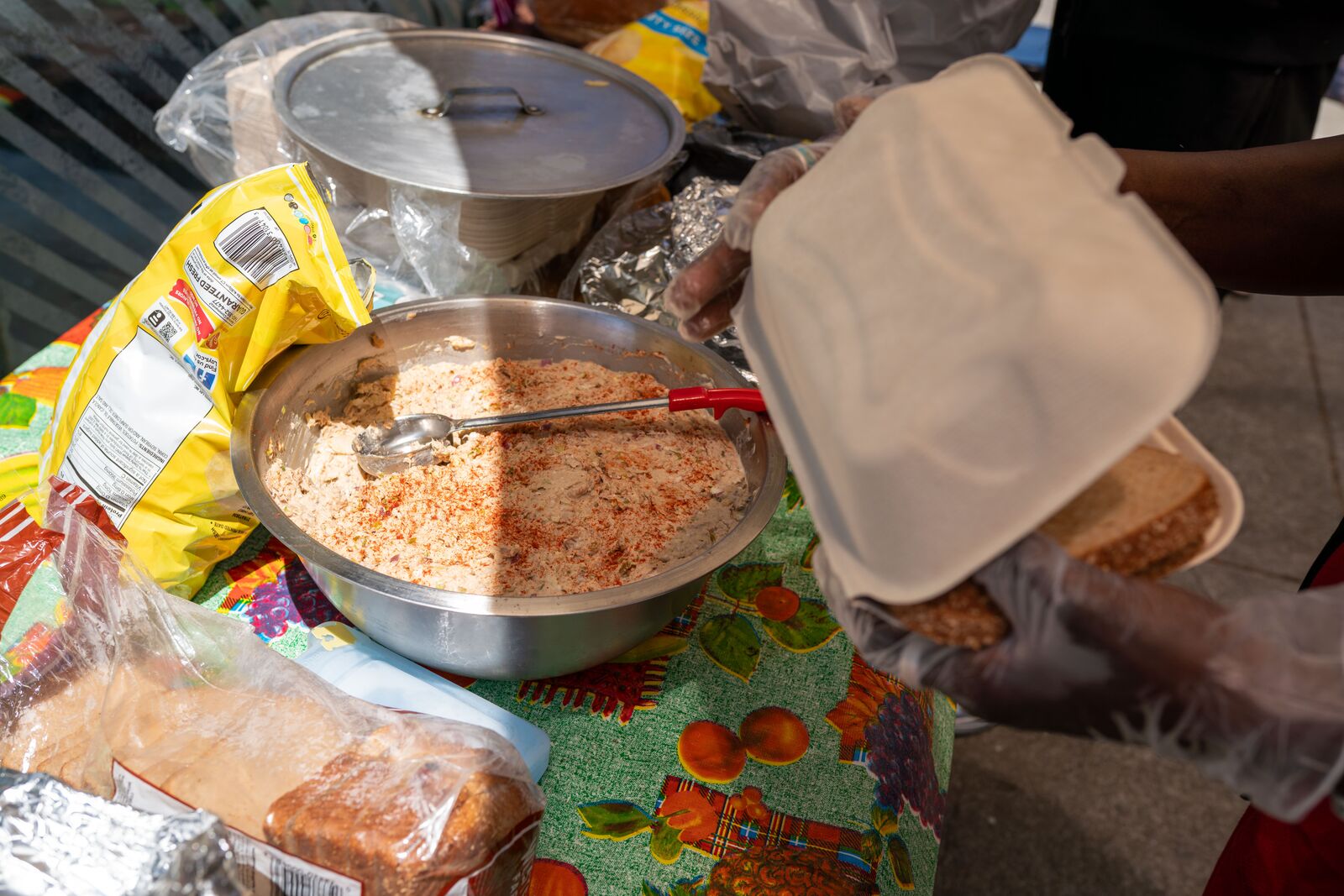 Takeout food, like this lunch distributed by the Self-Help Hunger Program, often comes in containers that are made from paper or cardboard and can be repurposed for compost collection. Credit: Katie Rodriguez for The Oaklandside
One person who responded to our call-out said he’s found a common item to repurpose as a disposable compost container.
“Sometimes we get takeout dinners, and sometimes the food comes in cardboard boxes,” said Doug. “We eat the food, keep the container, and use it for kitchen scraps.” But since he’s not getting a hold of these boxes every day or week, he also buys them in bulk online or from restaurant supply stores.
(If you’re not sure if the containers you have are coated in plastic or other banned material, it’s best to check with the city, StopWaste, or Waste Management.)
Customize it
If you’re handy or ambitious, you might be able to build something that suits your needs. When Sue renovated her kitchen during the pandemic, her husband, who’s a furniture maker, built a drawer for compost between the sink and the counter where they chop vegetables. It can fit two metal kitchen compost pails. “We replaced the tops with small plates to contain the fruit flies. The drawer closes when we are not in the kitchen,” Sue wrote.
Spend some money
There are several products on the market that can assist with composting within local regulations. After we published our story on Oakland’s bag ban, we heard from the Clean Composting Company, which makes a flower-pot-shaped product made entirely out of paper pulp called the Compost Collector. The company sells a month’s supply for about $20, which adds up to $240 a year.
Several readers wrote to us about Ridwell, a service that recycles plastic bags and plastic film (which Oakland’s recycler doesn’t accept). Tom said he reuses his “tabboo” green bags for multiple compost loads (dumping out the insides in his co-op’s green bins each week). “When it’s worse for the wear, I rinse it out, dry it, and include in my recycle ‘Plastic Film’ bag that eventually is mailed to Ridwell via USPS,” he said. Ridwell offers pickup services starting at $20 a month, or mail-in services like Tom uses starting at $9 per bag of plastic.
For those up for really shelling out, Mill sells a $999 at-home “food recycler,” which turns food scraps into food grounds — which can then be composted without the smell or liquid.
Don’t be too hard on yourself
If you’ve been using those green bioplastic bags, it means you’ve been trying to do the right thing — and likely even paying money to be an upstanding environmental citizen. If the dozens of messages we’ve received mean anything, it’s clear that the rules have been confusing.
“I appreciate your call for ideas to keep flies away,” said Ellen, “but my interest is in labeling. As most municipalities cannot compost ‘compostable’ plastics, the labeling is a scam.”
She said further legislation is needed to ensure transparency and hold the plastics industry accountable. Some recent laws have taken initial stabs at this.
“I’m continually amazed at how many very educated and well-intended folks have no idea that ‘compostable’ plastic in most settings isn’t,” Ellen wrote.
We also heard from some manufacturers of green composting bags who emphasized that just because a municipality doesn’t accept their materials — or doesn’t invest in the machinery to process them — it doesn’t mean their bags are not, in fact, compostable. Some acceptable products that will biodegrade also get lumped in unfairly with bioplastics.
The city told us Oakland and Waste Management provide regular education on accepted materials but don’t have the resources to do as much as they’d like. You can plug in Oakland or your city here to check the rules for various items.
Alternative uses for the bags
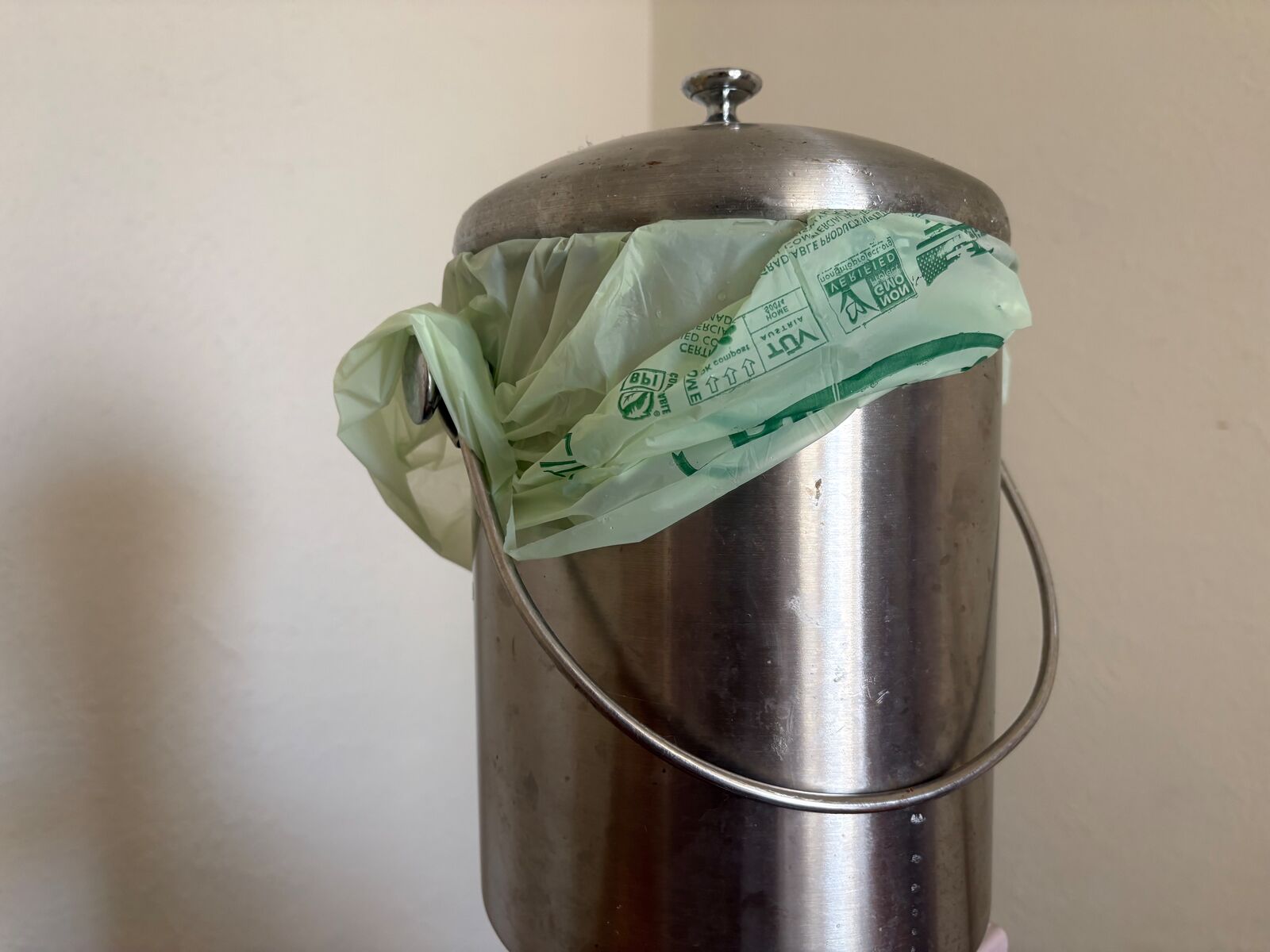 Bioplastic bags may no longer belong in your kitchen pail, but there are other uses for the products you have on hand. Credit: Natalie Orenstein/The Oaklandside
Plenty of people in Oakland are left with endless rolls of bioplastic bags they now know they can’t use in their kitchen pails. The city says to treat them like any other plastic bag, using them when necessary and tossing them in the trash after.
A couple of readers had suggestions. “I just use them for the bathroom trash liner,” said Bruce. Nancy scoops cat litter into them.
“*” indicates required fields