
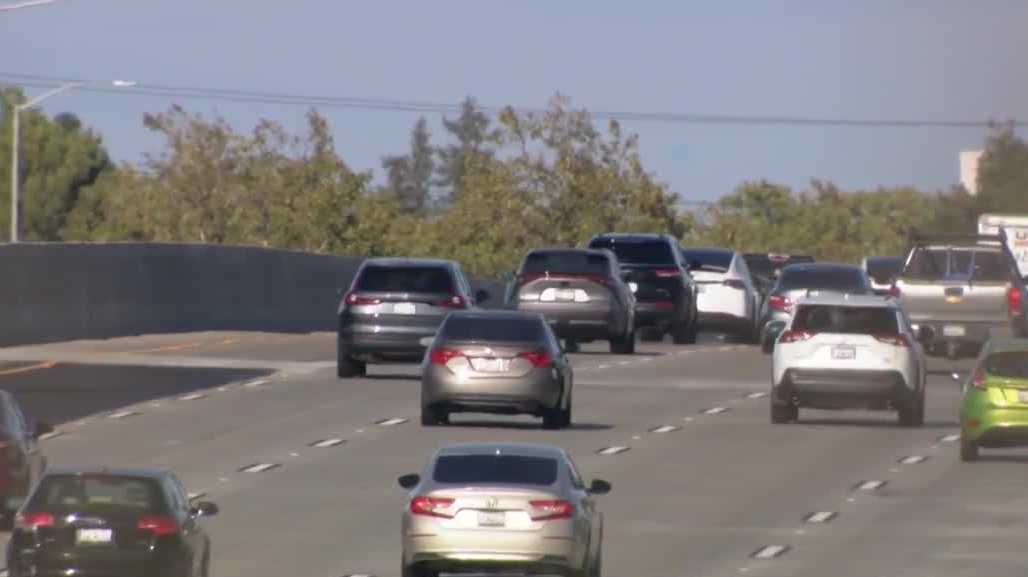
Fix50 construction nears completion after nearly six years in Sacramento

Sacramento’s Fix50 highway project, one of the region’s largest infrastructure undertakings, is nearing completion after nearly six years of construction, bringing visible upgrades and safety improvements to the stretch of highway from the I-5 interchange to Watt Avenue.
“What took so long? Did they make a career out of it?” said Paul, a local driver.
The project has been ongoing for years, and many drivers are eager for it to be finished.
“It has been going on for a long time and I’m ready for it to be done,” said Nicole Weber, another driver.
Despite the lengthy timeline, Caltrans officials said the project is not behind schedule.
“The contractor of the contract was not based on a delivery date. It was based on working days,” said Sergio Ochoa Sánchez, a representative from Caltrans District 3.
Caltrans expects some lane reductions over the next four weeks, which would be happening overnight typically between 9 p.m. and 5 a.m.
As the project enters its final stage, some of the upgrades are already visible.
“The shoulders are wider, we have an HOV lane, the median concrete barrier that separates eastbound to westbound is going to be taller,” Ochoa Sánchez said.
Drivers are hopeful the improvements will lead to safer and more efficient commutes.
“Hopefully it’s going to cause less traffic and less crashes as well, because I haven’t been involved in crashes, but I have seen a lot of crashes happening over there a lot and it’s very, very scary,” said Dulce Martínez, a local driver.
Other upgrades, such as new drainage systems, electrical work, and a sound wall near Alhambra Boulevard, are less visible but equally significant.
“I’m hoping when it’s done that it is better than it was before. I’m happy that they’re widening the roads. I’m happy that there’s going to be a carpool lane that’s rolling through,” Weber said.
Safety remains a concern as the project nears its conclusion. Just this month, two deadly crashes occurred along the highway. Data from UC Berkeley shows that 23 people have died in the work zone since the project began, more than double the 11 deaths recorded in the same stretch of time before construction. These figures do not include the two most recent fatalities.
Ochoa Sánchez said speeding has been a major factor in the crashes, and Caltrans has taken steps to protect both drivers and workers.
“The people that were working here had their reflective base, their protective gear on. The closure was placed properly. We do everything to keep the drivers and our workers safe,” Ochoa Sánchez said.
Caltrans added that many of the project’s improvements were designed with safety in mind, but it may take a couple of years of data to fully assess their effectiveness.