
“Based on our group’s community audit, it seems that Elk Grove’s data were shared with other states and federal agencies, in violation of SB 34,” alleged Halsell, who plans to speak at the next Elk Grove City Council meeting. “We are calling for a full accounting of this system and how these data may have been shared.”
Flock Group Inc. reacts to the backlash
Flock’s own documents showed that it told agencies they could set their own “written rules for who can access the system and how it can be used,” reported the Washington Post. According to Flock’s rules, no warrant was required by an officer before conducting a search.
On August 14th, Flock Group Inc. CEO Garrett Langley apologized to a victim of Flock camera abuse during an interview with CBS News. “The short message would be, I’m sorry. I’m sorry that the system has failed you,” said Langley.
The day before Langley’s interview, Flock rushed to announce new policies on its website regarding the use of its surveillance system. According to the statement, Flock put new restrictions on how long it will retain data, limiting it to seven days. It restricted who could share information and required better monitoring, while continuing to emphasize that “customers own the data.”
“When people ask about privacy, one of the first questions is simple: Who owns the data?” asks Flock in the released statement. “The answer is straightforward. Flock customers own their data. That ownership is reflected in how the platform is built. Customers decide who can access their data, whether it is shared, how long it is retained, and when it is deleted. Flock provides the technology, but customers remain in control of the information collected through their systems.
Newer technology vs. individuals taking action
In 2025, Flock expanded its network of higher quality “condor” cameras which can record and zoom in on moving objects with greater detail than its traditional camera. Some protesters feel this is the next step towards the installation of facial recognition cameras.
As Flock advances even more surveillance capabilities, there has been a recent increase in vandalism against its cameras. On August 8th, USA Today reported that ALPRs have been “shot at in Tennessee, hit with a truck in California, beat with a baseball bat in Virginia, cut down with a saw in Texas, splattered with paint in New York and blocked by a lone protestor in Florida.”
Whether these are common criminals, recreational vandals or political protesters, individuals on social networks like Instagram regularly demonstrate how to shut down, steal or cover the lenses on Flock cameras and other ALPRs, despite being illegal to do so.
Regardless of the backlash, law enforcement and ALPR proponents counter that all advancements in ALPR technology advances the fight against crime.
This controversy asks an age-old question about which is more important, personal privacy or community safety.
In referencing the more restrictive information-sharing Axon brand, surveillance expert Cox summed it up like this: “People around the country are now asking themselves whether they want these cameras in their communities. In some cases they do not, and cities are canceling the contracts or replacing their Flock cameras with Axon ones.”
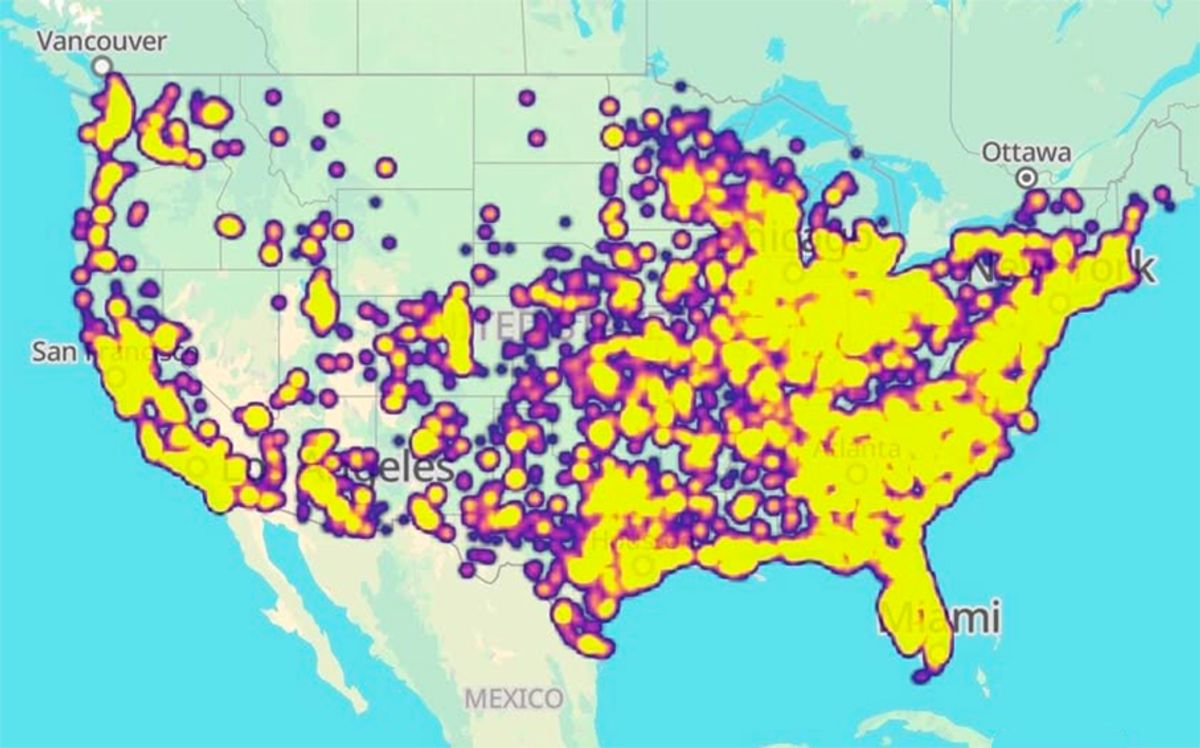
A national interactive map to search for ALPRs in your community is provided by DeFlock Maps.