
Blackbird Mountain Guides stands by its regulatory compliance and is appealing the finding of seven workplace safety violations.
Aug 21, 2026
Updated 12:01 pm PT
A vehicle is buried in snow during a storm in Truckee, California, on Feb. 17, 2026. Separate from California investigations, Blackbird Mountain Guides faces a probe by the Nevada County District Attorney’s Office. (Brooke Hess-Homeier/AP Photo)
After an avalanche killed nine people on a backcountry ski tour in Tahoe last winter, California’s workplace safety agency has cited guiding company Blackbird Mountain Guides for more than $150,000.
Among the violations cited by California’s Division of Occupational Safety and Health, the most significant is an $81,000 penalty for “failing to correct the imminent hazard posed by traveling in avalanche terrain when the avalanche danger was rated high.” Cal/OSHA found that this directly led to the deaths of three guides employed by Blackbird.
Other citations include failing to adequately identify and assess avalanche hazards, failing to provide effective employee training and failing to assess the need for protective equipment.
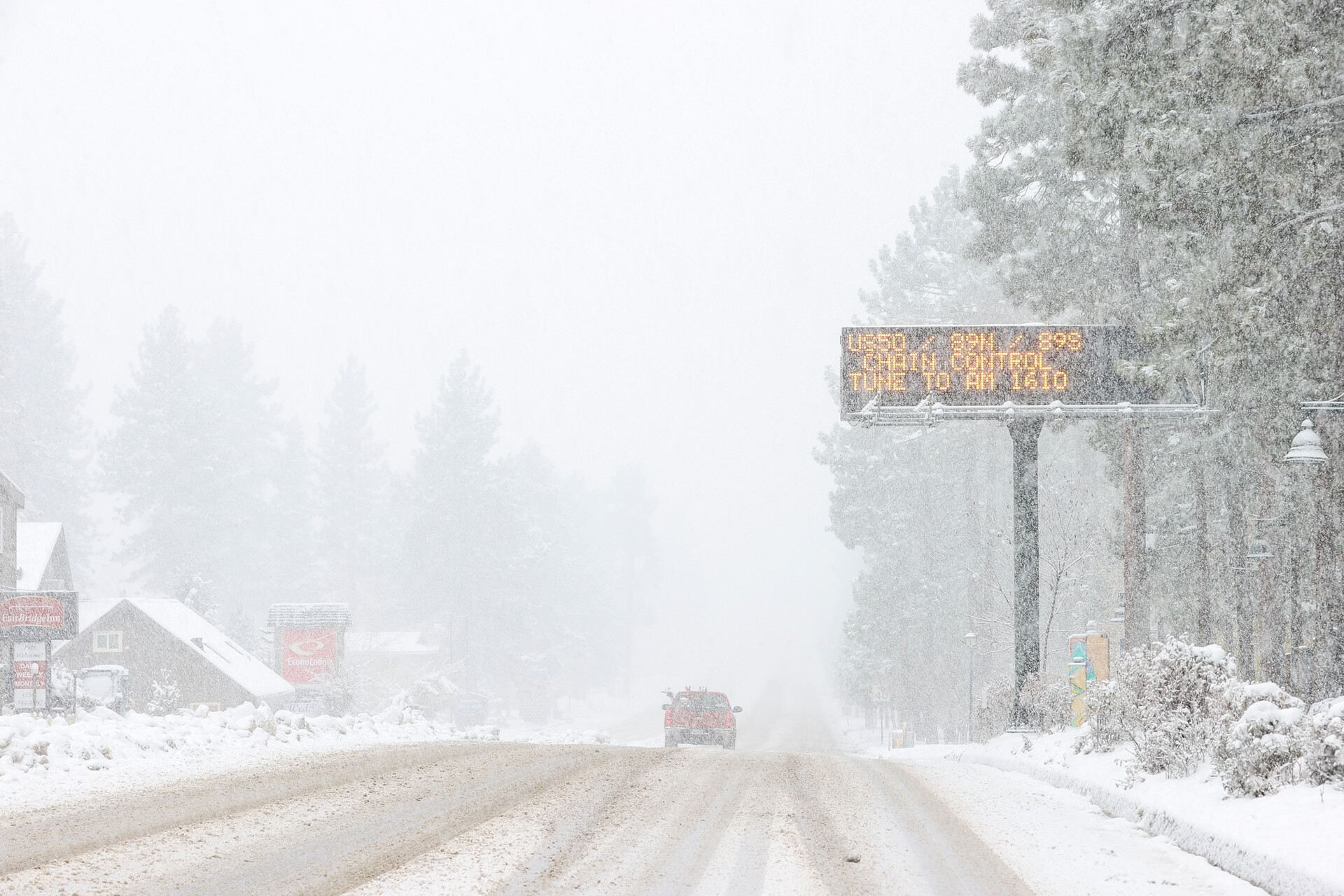 Snow blanketed South Lake Tahoe in California on Nov. 8, 2022.
Cal/OSHA issued the citations on Aug. 12. Due to the agency’s role as a workplace safety monitor, its findings focused only on the three Blackbird guides who died. A Cal/OSHA spokesperson said a separate investigation by the agency’s Bureau of Investigations remains open.
Blackbird announced a formal appeal on Friday morning, saying it continues to cooperate with all investigations related to the avalanche. The company said it operated in full compliance with regulatory requirements and industry standards, and that its guides were highly certified.
“The citations do not reflect the reality of our profession or the safety program we have built,” the company said in a statement. “Mountain guiding takes place in dynamic wilderness environments where conditions change minute to minute — it’s not a controlled setting such as construction sites. We welcome the opportunity to work with Cal/OSHA to contextualize the unique realities of operating in backcountry environments.”