
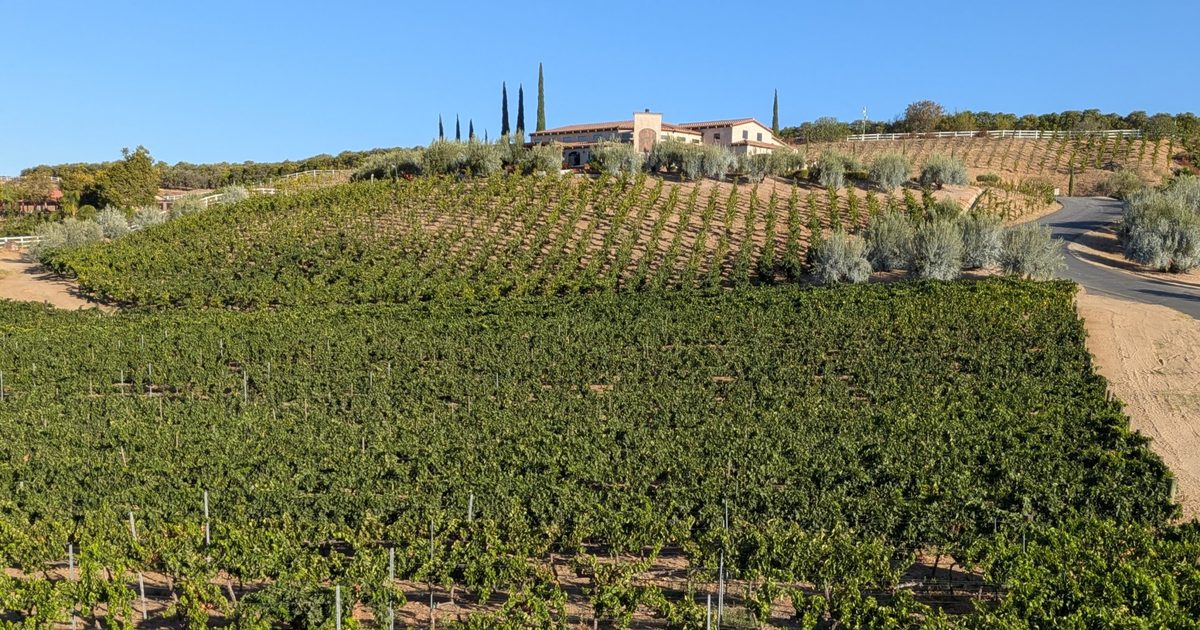
Every wine region in America seems to want to be Napa. Same tasting-room hush, same $40 pours, same performance of scarcity.
Temecula, California, as far as I can tell, doesn’t want that at all.
Set in a valley 22 miles from the Pacific, Southern California’s wine country is less than two hours from Los Angeles and about an hour from San Diego — close enough that it’s an easy weekend excursion, far enough that you don’t feel like you’re in the city. Gaps in the coastal mountains funnel ocean air into the valley, so days here run hot and nights are cool.
Nearly 50 wineries operate across the region, most of them within a few miles of each other on a handful of connecting roads. The climate is Mediterranean and getting warmer. The Old Town area looks like a Western movie set that the crew forgot to remove.
I spent a few days there in August, exploring the wine trails through all the ways known to man: riding horses, floating on hot air balloons, even being driven through vineyards in a custom motorcycle sidecar. Though some of the wine offerings were a miss, most were good for the money, and a few showed the kind of ambition and taste that make for a showstopper.
What struck me wasn’t that Temecula is trying to catch up to its Northern California neighbors. It has deliberately stopped trying, and built something that works on its own terms.
A wine region with bang for your buck
Andy Vasoyan / The Manual
Napa has a two-century head start and a mythology to match. Temecula has neither, and at some point it seems to have decided that chasing both was a losing proposition.
What it built instead is a region that runs on easy access — and a darn good value.
The tasting rooms are casual, and parking is plentiful. There’s a happy absence of the “you should already know this” energy you get elsewhere when you ask a basic question about varietals.
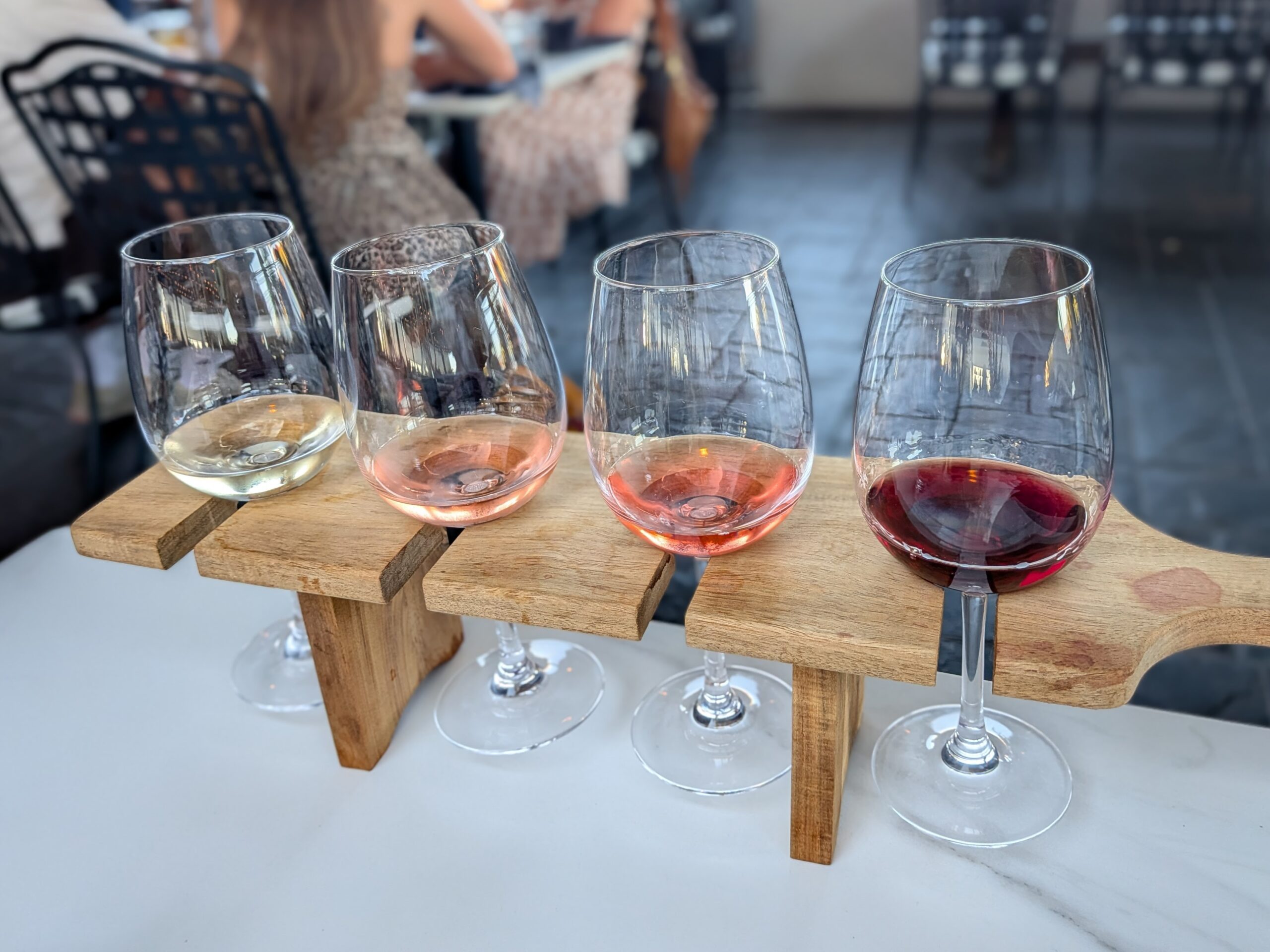
The prices tell the story more clearly than anything else. At Domenico’s Italian Chophouse at Truffle Pig Winery, the tasting flight I worked through started with a house white at $8 a glass and topped out at a $34 red — and that’s a fairly typical spread around the valley. You can certainly spend more if you like, but the valley’s floor is genuinely low, and the ceiling is nowhere near many others.
Those price points signal a region that expects you to drink the wine rather than collect it, and it makes a Saturday here something folks can do more than once a year.
The geography helps that along too; roughly 50 wineries sit clustered along a few connecting roads, close enough to hit three or four in an afternoon without much of a plan.
Old Town, a few miles west, gives the valley an actual downtown — restaurants, tasting rooms, shops, foot traffic. All told, it shows that Temecula identified what it could plausibly be, and built toward it.
The best way to see wine country is… a motorcycle?
Andy Vasoyan / The Manual
Andy Vasoyan / The Manual
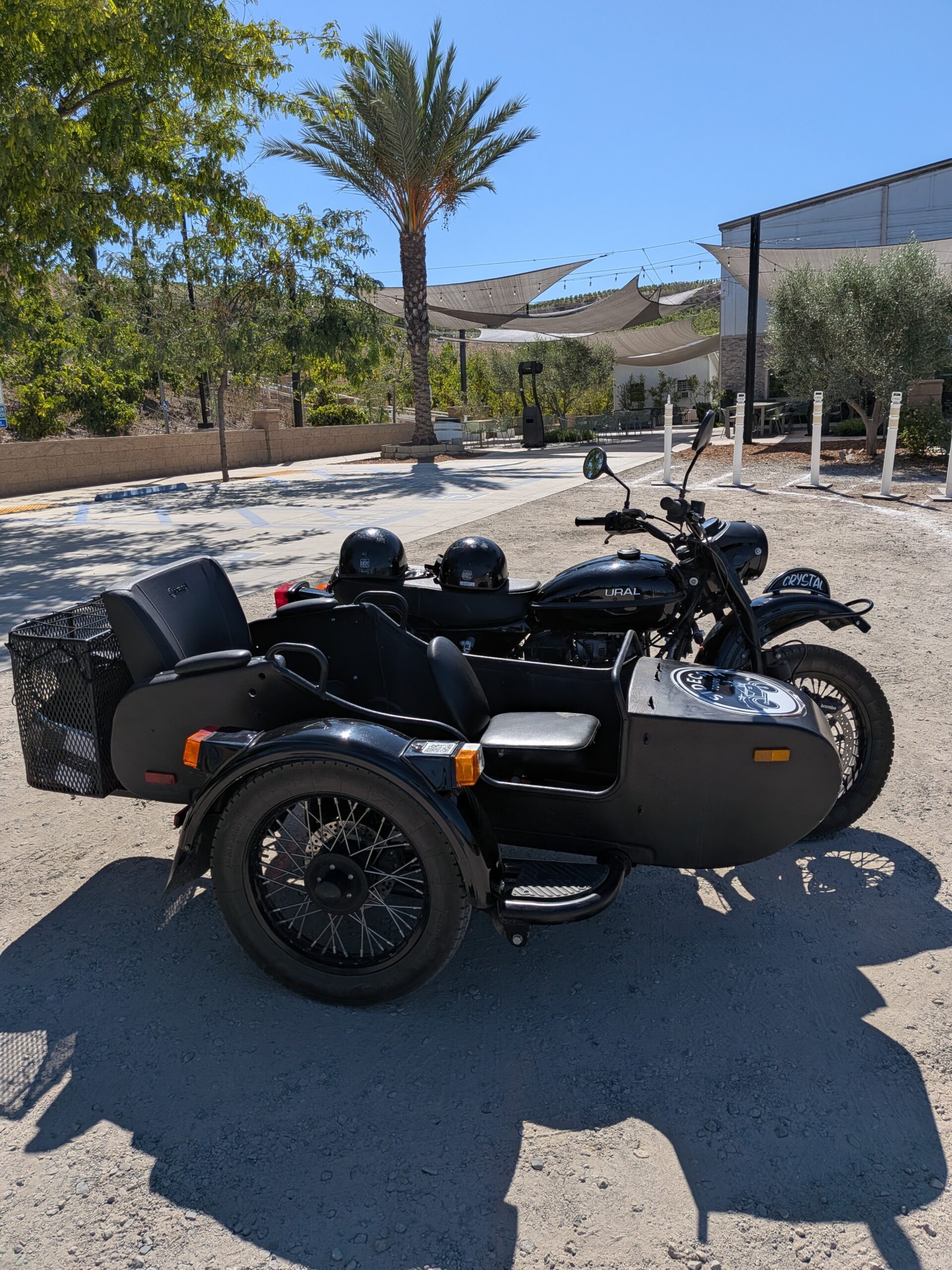
I’ve done wine country by car, by van, and on foot. The motorcycle sidecar is better, and it isn’t close.
Sidecar Tours runs out of a winery parking lot using motorcycles sourced from the foothills of the Ural Mountains, now run out of Washington state, modified to seat two passengers instead of one. It’s a little snug fitting two people in a straight line in the sidecar, but it’s worth it — our driver, Bryan, grew up in the valley, and he narrated the ride as only a local could.
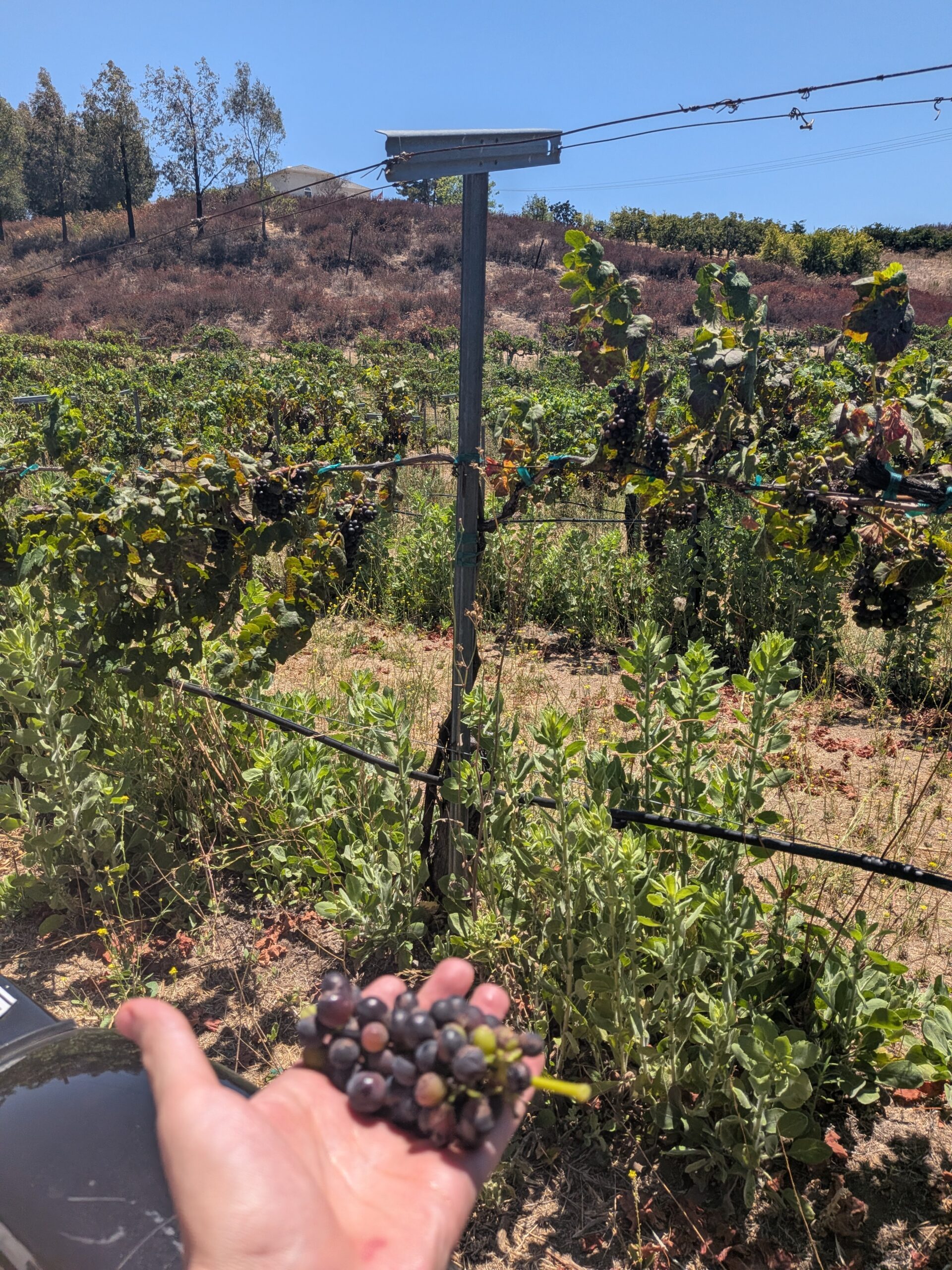
Here’s the part that sells it: the rig is small enough to go places a van (or even a car) physically cannot. We rode between the rows of vines. At one point Bryan pulled off a few grapes and handed them back so we could taste what was actually on the vine that season. Not something you get every day.
The ride is admittedly a bit bumpy, but in the way that’s fun rather than punishing. It’s open-air, which in August means you’re getting the dust and the heat and the cold sea breeze cutting through trapped valley warmth, along with the view.
Tours run roughly two to two and a half hours, with pricing that lands around $149 for a scenic run and closer to $199 per person for the version with winery tastings built in.
Our first stop was Wilson Creek, and it doubles as a lesson in how this valley works. Bill Wilson — the owner — walked us through his own tasting room, which is not a thing that happens at scale in Napa.
The winery is simultaneously a wedding venue, an events business, a restaurant, and a tasting room, which describes roughly every winery in Temecula.
It’s also a clean illustration of the high-low thing. Their Almond Sparkling Wine is a novelty bottling sold in grocery stores across Southern California, and it’s the only Temecula wine most people outside the valley have ever encountered. Meanwhile, their Double Dog Red (a $70 bottle named after the family’s retrievers) is the real thing: rich, complex, robust, and worth picking up.
Mediterranean climate means Mediterranean grapes (and vibes)
Andy Vasoyan / The Manual
Just like any winery, a Cabernet is there if you want it, but that isn’t what the Temecula valley is actually built on. Go through Wilson Creek’s red list and you’ll find Tempranillo, Barbera, two Cinsaults, Mourvèdre, Petite Sirah, and a Southern Rhône GSM blend — a lineup that would look more at home in Spain, Italy, or the Rhône than in California.
Those grapes come from places that are hot, dry, and sunny, which is an accurate description of Riverside County in August.
My read is that this positions Temecula well, as growing seasons are getting hotter, and drinkers have been drifting toward lighter, lower-alcohol, more acid-driven wines for years. A region built on Mediterranean varietals is aimed at both of those trends without having to pivot.
Whether the execution is always 100% is a fair question. Some of what I tasted across the valley was forgettable, but the direction is smart, and the trajectory is upward.
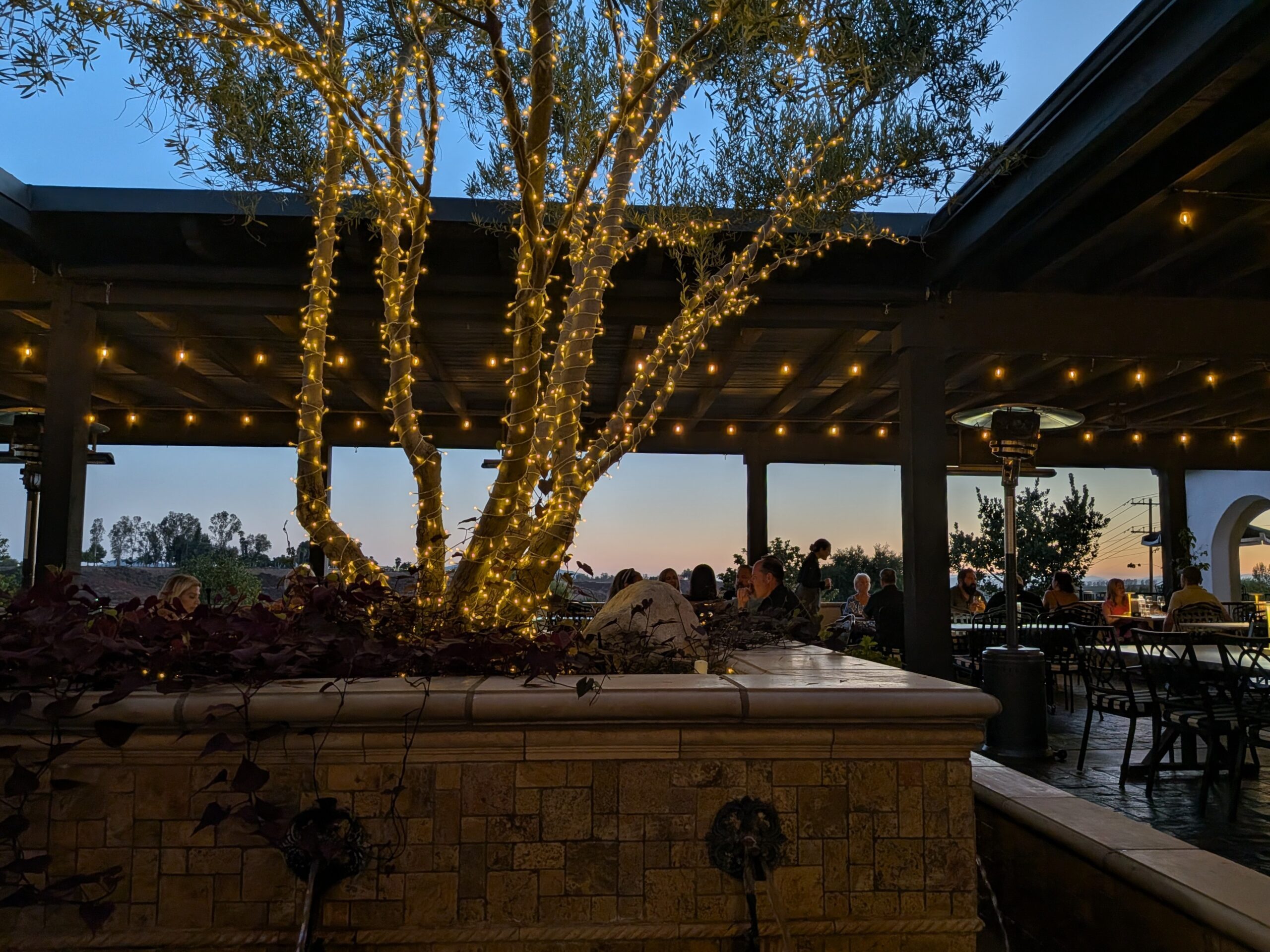
Which brings me to dinner. Domenico’s is an Amalfi-inspired Italian chophouse attached to a winery, and they know their customer. There’s no pretense that this is Positano. It’s SoCal doing an Italian villa, complete with a tableside Caesar in a bowl big enough for four people.
Is it Mediterranean cosplay? Maybe. But at the end of the day, the patio view is genuinely excellent, the breeze does what a villa breeze is meant to do, the food is good and the wine is great, at price levels that are fantastic. Commit to a bit hard enough, and it stops being a bit — it just hits.
The rest of the weekend
Andy Vasoyan / The Manual
Temecula’s support options are deep, and most of them are priced like the wine.
Hot air balloons launch over the valley most mornings — it’s one of the busiest ballooning spots in the state, and if you’ve never done it, this is a reasonable place to start.
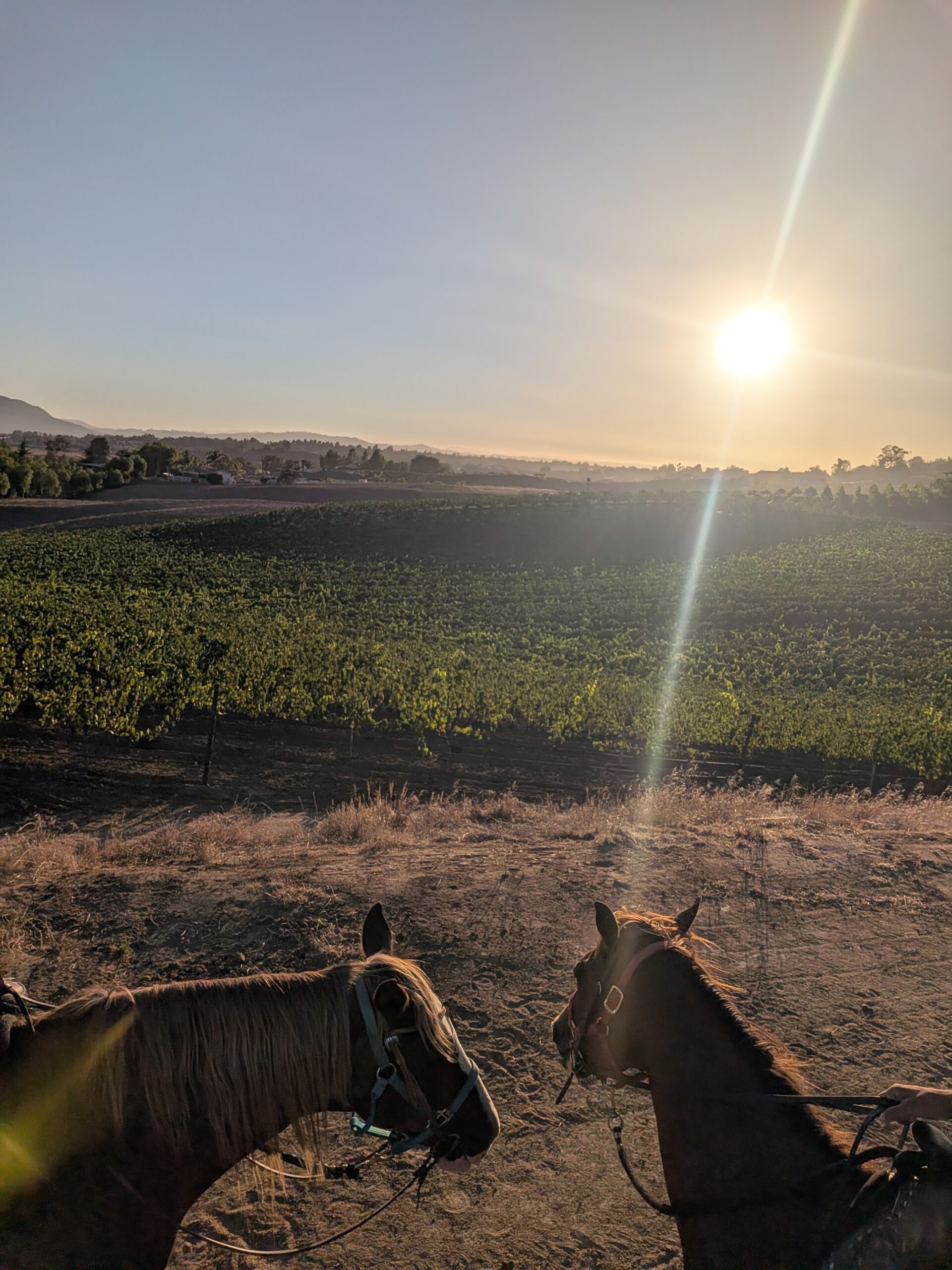
Horseback rides run through the hills at the edge of the vineyards. It’s dusty, sun-baked wine country terrain, not particularly groundbreaking, but if you like horses, an evening trail ride is a great way to wander the area.
Lodging skews toward small inns and B&Bs rather than resorts. We stayed at the Vine House, a converted property on the De Portola Wine Trail with a chicken coop and a steady stream of bachelorette parties passing through. It’s cute, it’s accessible, and the breakfast burrito is made with eggs from out back. Pretty, pretty good.
There’s an old bit of advice about dressing for the job you want, not the one you have. Temecula seems to have decided the job it wants is the one it already has — closer, more affordable, and about a decade ahead of where the wine market is heading. Napa can keep the mythology.