
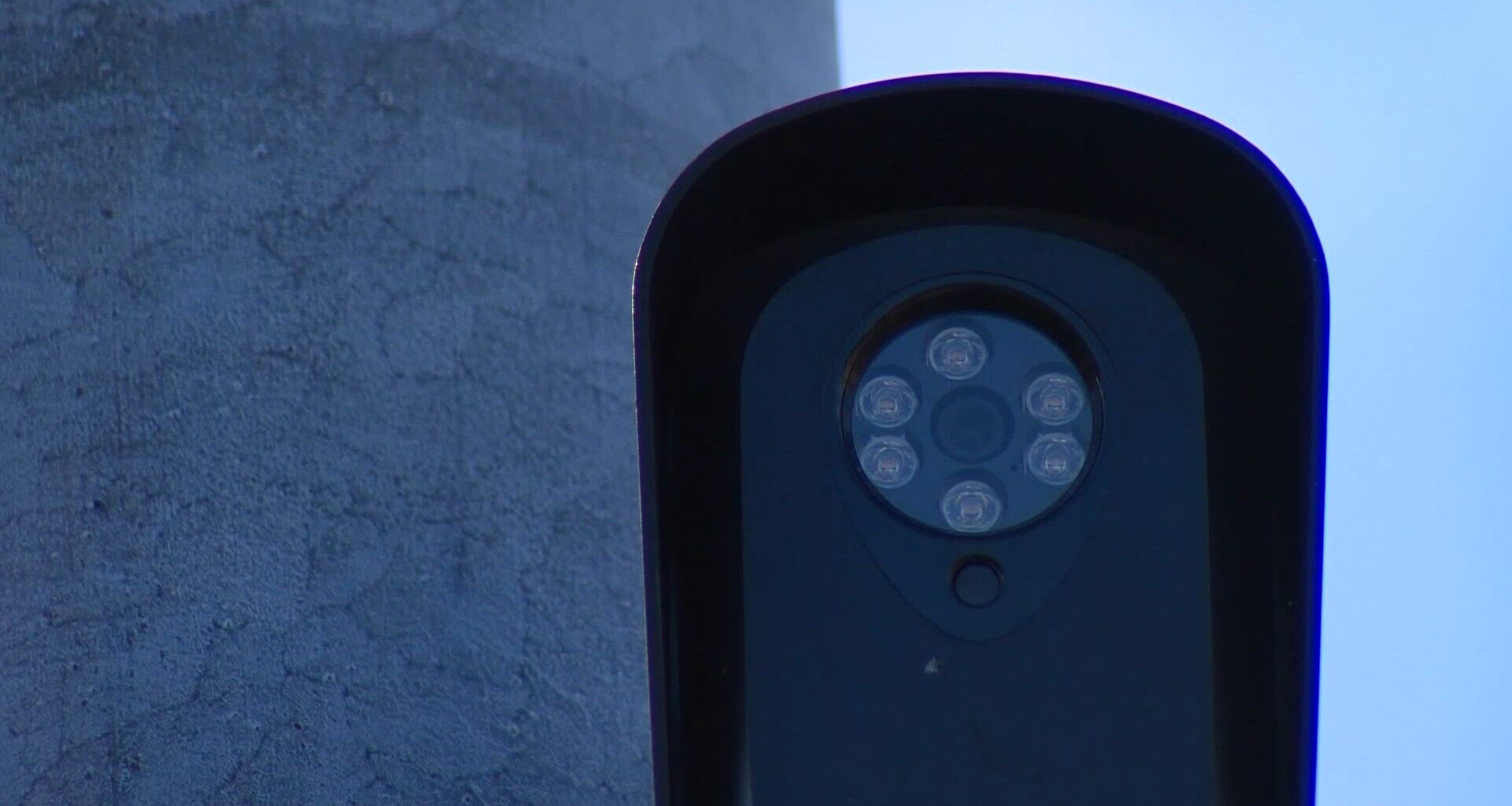
San Diego faces a debate over its use of ALPR, balancing public safety benefits claimed by police with privacy concerns raised by the ACLU.
SAN DIEGO — There is pushback against the City of San Diego’s use of automated license plate reader (ALPR) systems, urging city officials to cancel the contracts. During a recent public safety committee hearing, voices expressed concerns about the implications of this technology during public comment.
San Diego Police, however, argue that without ALPRs, investigations could slow down, making it more difficult to track down wanted suspects. Currently, there are 500 ALPR cameras deployed throughout the city of San Diego.

This story continues below.
“This technology has helped locate multiple stolen vehicles over the time that we’ve had it, missing persons, wanted felony suspects, dangerous suspects, kidnapping suspects; we’re using it to solve homicide cases, all kinds of cases throughout the city,” SDPD LT. Kristopher McAndrew told CBS 8 at Police headquarters.
The American Civil Liberties Union (ACLU) of San Diego and Imperial Counties has a petition urging the San Diego City Council and Mayor to get Flock cameras out and terminate the city’s ALPR contracts. Fredrick Carroll, the ACLU’s legal director, highlighted the broader privacy issues at stake.
“The problem is not an individual capture of a license plate. I can see why people say, ‘ Why does that bother anyone?’ It’s much more information, and rather than separate snapshots, what there is, is a database that creates an entire mosaic, a picture of a person’s day-to-day life,” Carroll said, explaining how the technology can potentially reconstruct detailed personal routines.
Lieutenant Kristopher McAndrew, who oversees the ALPR program, defended the use of the technology. He said that the locations of the cameras are publicly available and emphasized the department’s commitment to transparency and safeguards.
“Some of the information that’s going out there about these cameras being video cameras, they are not,” McAndrew stated. “They only take photos. They don’t take photos of the inside of the car; they’re designed to take photos of the back of the car and the license plate.”
Concerns over the potential misuse of ALPR data were raised during the hearing, particularly regarding possible assistance to federal immigration enforcement. An audience member noted, “In over 60 incidences in 2024 alone, SDPD shared Flock data with third parties and ICE, which betrayed our trust for community members and blatantly attacks our human rights”. However, police maintain that federal immigration agencies do not have access to ALPR data, and safety measures are in place to ensure this.
“We don’t use any of our data or any of our police resources for immigration purposes. Our ALPR system is shut off; nobody has access to our system outside of San Diego police officers that are trained and authorized to use this system,” McAndrew said.
Despite the concerns voiced, no decisions or votes were made during the public comment session.