
RANCHO CUCAMONGA, Calif. (FOX26) — A major tire manufacturer is warning California’s new tire efficiency requirements could lead to higher prices and fewer options for drivers.
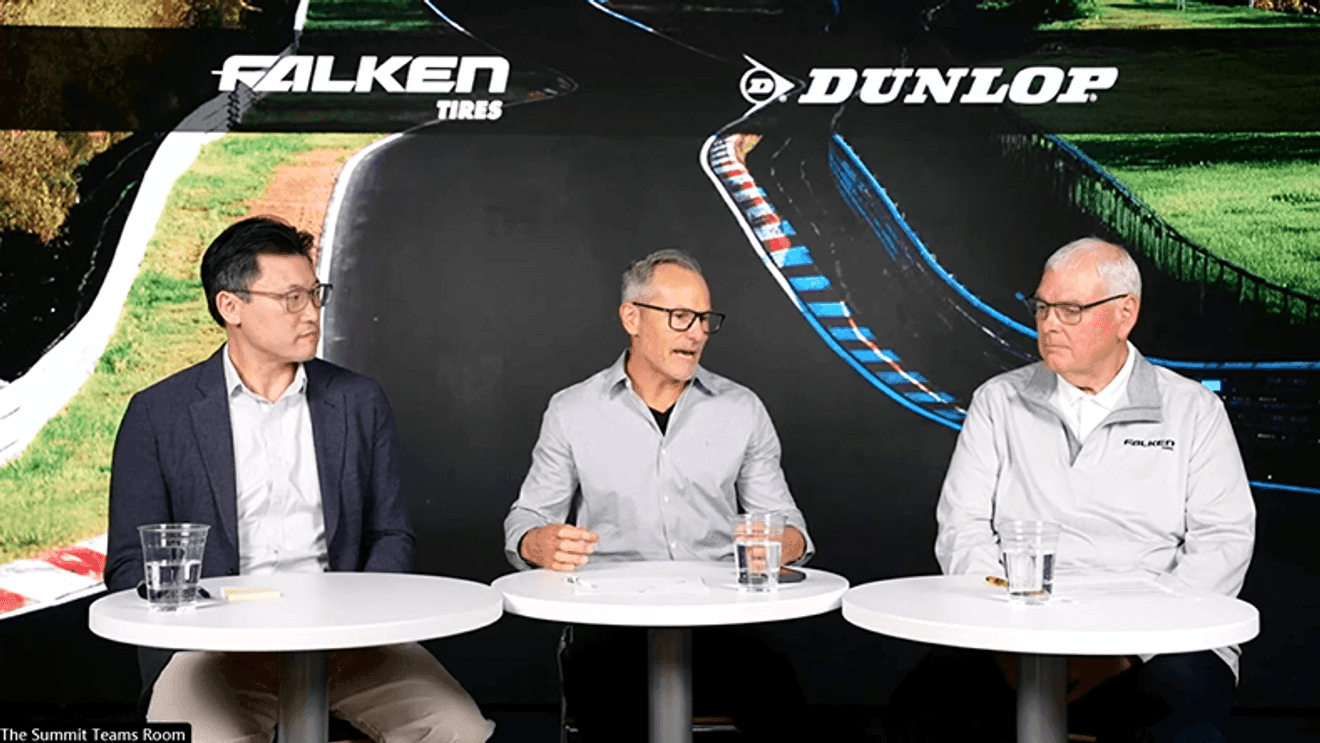
Dunlop Tires North America, which makes Dunlop and Falken tires, held a webinar Monday outlining concerns about the state’s new requirements for replacement tires.
The rules focus on reducing rolling resistance, which can improve fuel efficiency. Dunlop says it supports that goal but argues tires are designed around several factors, including traction, tread life, durability and cost.
Darren Thomas, president and CEO of Dunlop Tires North America, said manufacturers could face higher costs to meet the new requirements.
Using more expensive materials will increase the cost of goods,
Thomas explained.
One of his biggest concerns? What could happen to competition.
“The biggest one is going to be reduced competition because you will not have as many manufacturers, importers, distributors selling as many products,” Thomas said. “When the supply goes down and the demand stays stable, prices go up.”
Thomas acknowledged there is not enough data yet to know exactly how much prices could increase.
“Fifteen to 20 percent is probably a realistic number.”
Industry representatives also questioned whether focusing on rolling resistance could come at the cost of other tire types.
“Generally speaking, the low rolling resistance target is going to reduce that performance window to rolling resistance first, maybe some wet braking second,” one panelist said. “But if I need more than that out of my tires, the development window for that tire is going to be compromised.”
The group also raised concerns that higher prices or fewer choices could push some drivers toward used tires, which are excluded from the program.
“If consumers are faced with limited selection, higher costs, is that going to ignite a higher purchase of used tires?” one panelist asked. “You don’t know how the condition of the tires truly are.”
Dunlop is urging California policymakers to consider affordability, safety and tire performance before the first phase of the program takes effect in 2029.