
Credit: saeu-photo via Shutterstock.
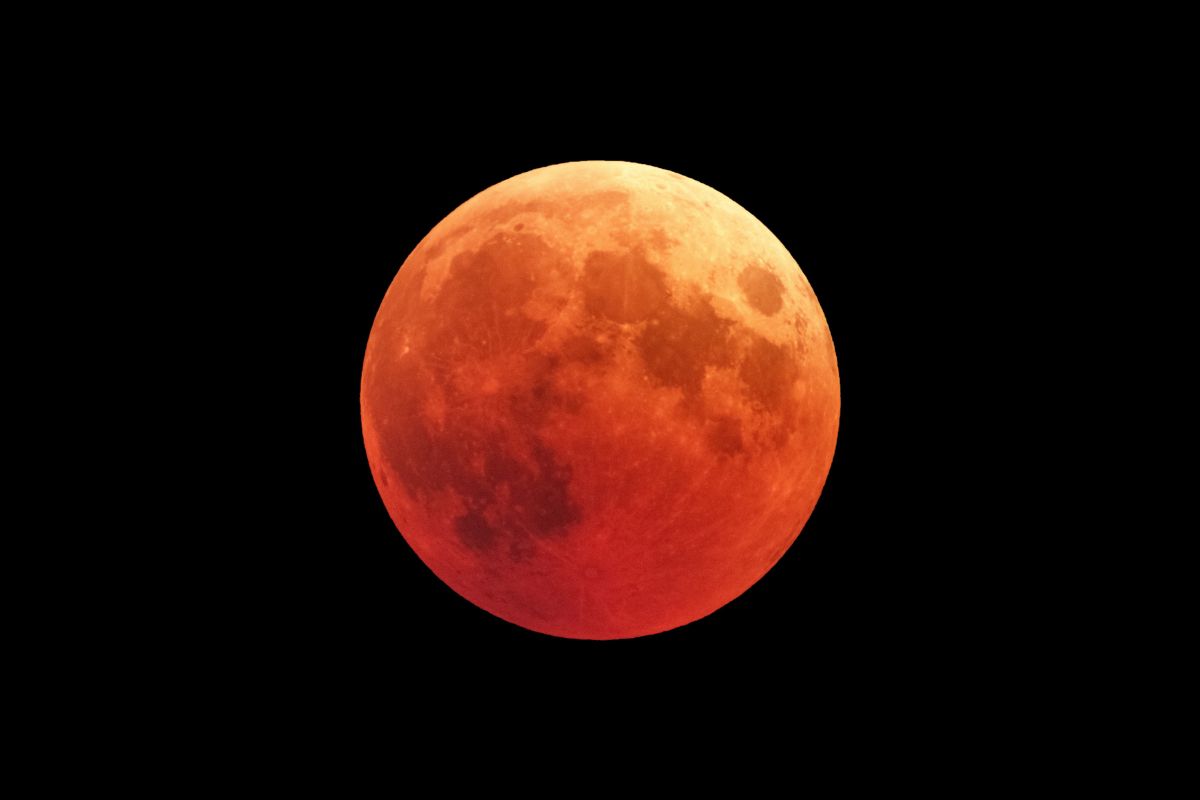
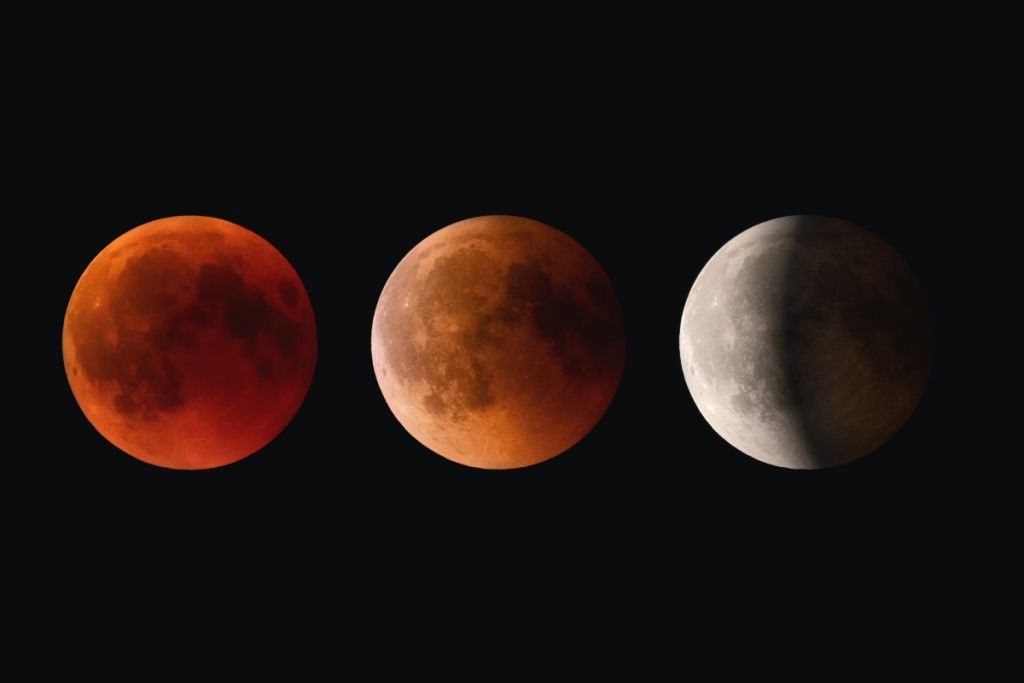
An unusual lunar spectacle is coming to the City of Angels this week, with the Moon set to turn a deep coppery-red as 96% of its surface slips into Earth’s darkest shadow. That makes this a “practically total” lunar eclipse, with only a small sliver of the Moon remaining outside the shadow.
The eclipse will take place on Thursday, August 27, into the early hours of Friday, August 28, and Griffith Observatory is inviting Angelenos to watch it unfold from one of the city’s most iconic stargazing spots.
When to see the lunar eclipse in Los Angeles
 nednapa via Shutterstock.
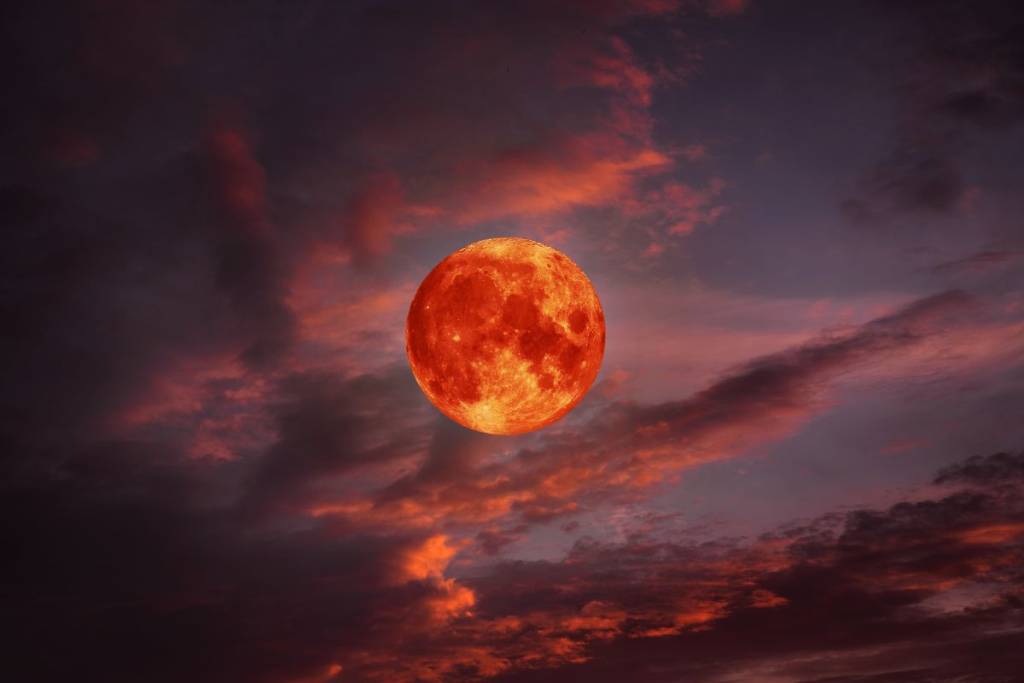
The Moon will rise over L.A. at around 7:18 p.m. on Thursday, appearing low on the southeastern horizon. Just 16 minutes later, at 7:34 p.m., the eclipse will enter its umbral phase, when the Moon begins moving through Earth’s darkest shadow.
The main event arrives at 9:13 p.m., when 96% of the full Moon will be covered by the umbra. With only a small portion remaining outside the shadow, the Moon is expected to take on the distinctive reddish-copper hue associated with a blood moon.
The umbral phase will end at 10:52 p.m., giving skywatchers more than three hours to catch different stages of the eclipse.
Griffith Observatory public viewing event
 AstroStar via Shutterstock.
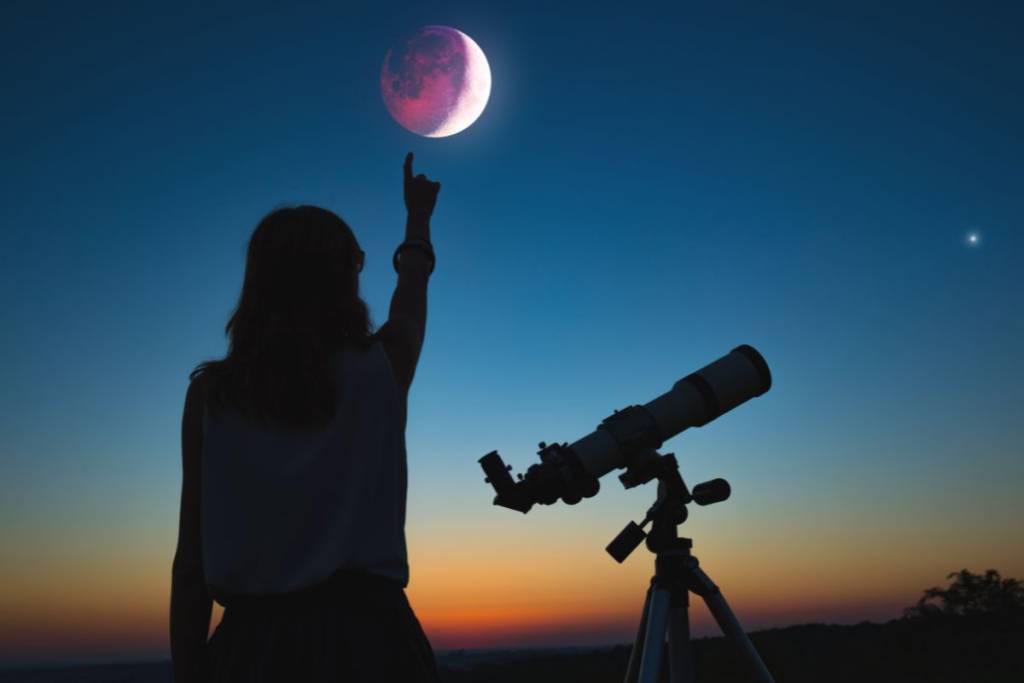
If you want to turn the eclipse into an actual night out, Griffith Observatory will host public viewing from 7:25 to 11 p.m. The event is free and does not require special equipment. The Observatory will also livestream the eclipse online from 7:25 p.m. until 12:05 a.m., weather permitting.
But there’s one small catch: expect large crowds, limited parking and heavy traffic around Griffith Park, particularly because a show at the Greek Theatre is also scheduled that evening. The DASH Observatory/Los Feliz bus will run from the Vermont/Sunset Metro station, with the final bus leaving the Observatory at 11 p.m.
You don’t need special glasses to watch
 Credit: Claudio Testa/ Unsplash.
Unlike a solar eclipse, a lunar eclipse is safe to view with the naked eye, so there’s no need for eclipse glasses or a telescope. As long as skies are clear, the event should be visible throughout Southern California. For the best chance of seeing it, find a location with an unobstructed view toward the southeast and as little light pollution as possible.
If you’re hoping to catch a total lunar eclipse from the city, this is one to put on your calendar. Miss this week’s eclipse, and you’ll have to wait until the June 2029 total eclipse for the next one visible from L.A.