
A lower sense of security is damaging children’s mental health and learning outcomes.
Aug 26, 2026
Updated 10:37 am PT
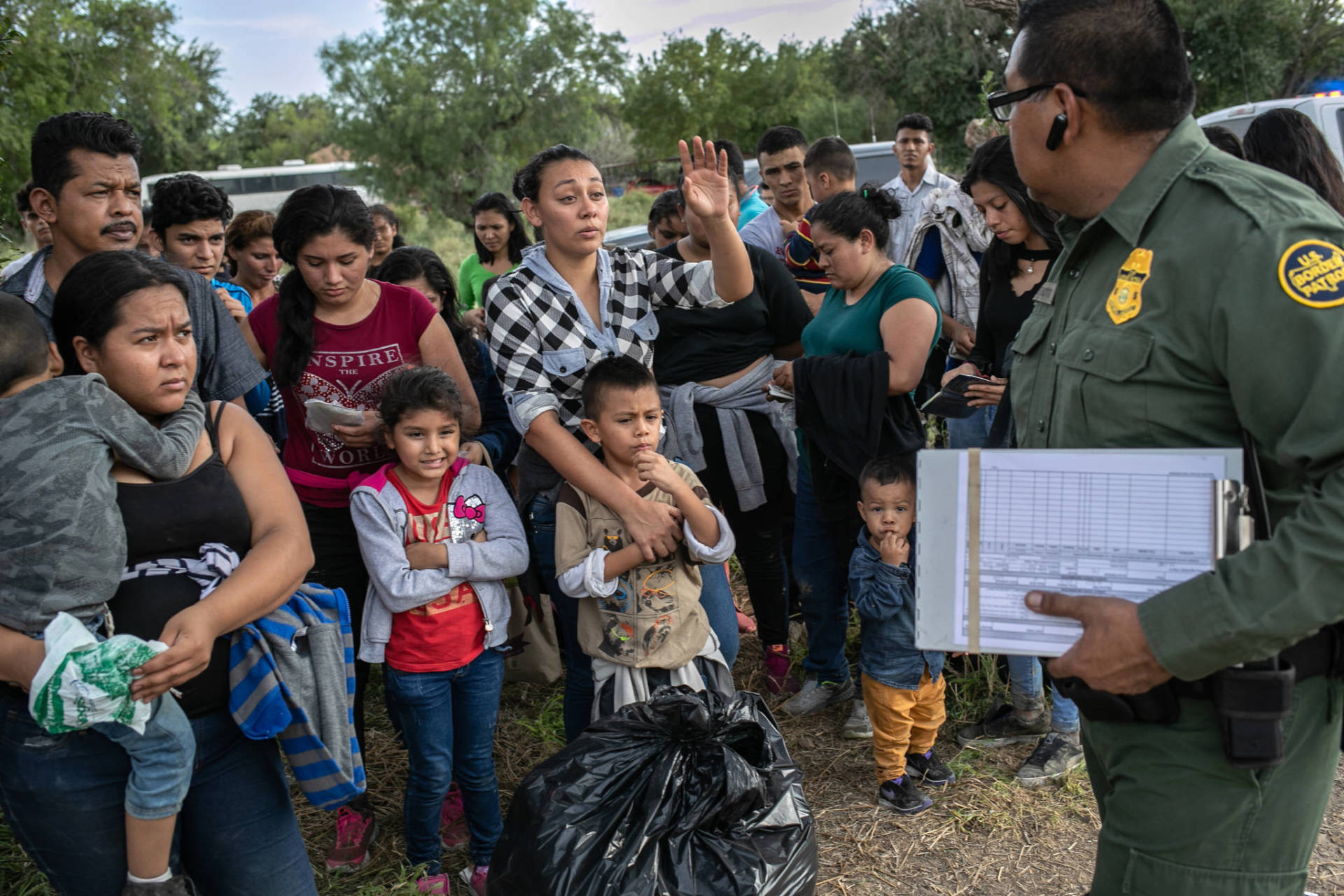
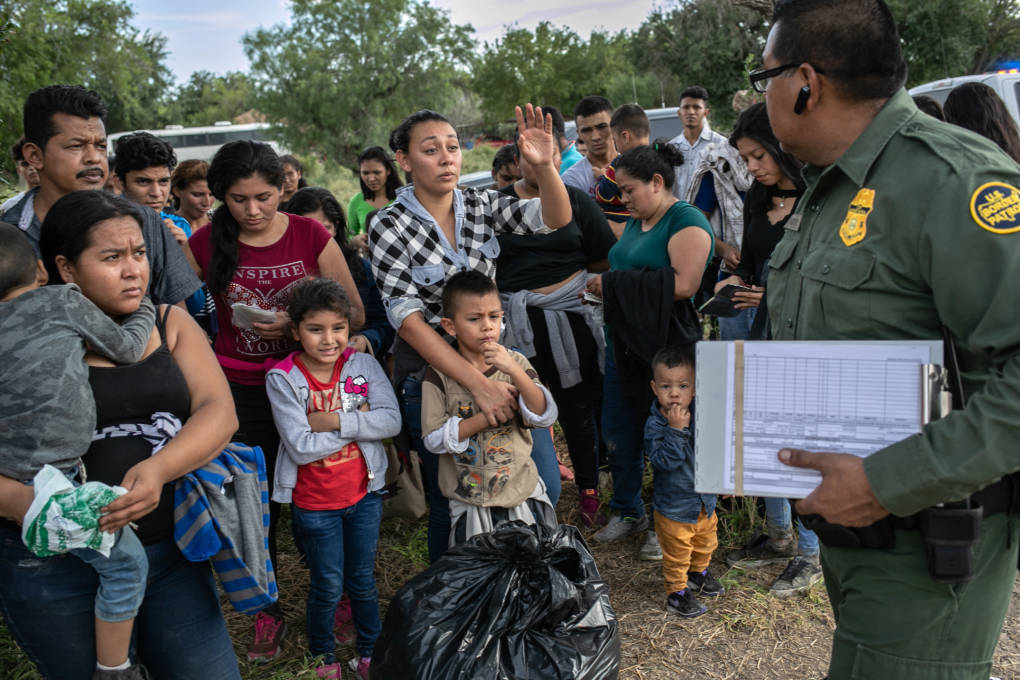
Despite a judge’s order to restrict family separations more than a year ago, a motion filed by ACLU attorneys says border officials have since taken more than 900 migrant children from their parents. (John Moore/Getty Images)
Here are the morning’s top stories on Tuesday, August 25, 2026
This interview had been edited for legth and clarity.
You spoke with children directly affected by the immigration raids and arrests. What has their experience been like living through these mass deportation policies?
CERVANTES: Yes, I did, I spoke to children, from toddlers all the way to teenagers. And despite being so young, the impact that the raids have had on toddlers is very apparent. Like in the case of one little boy, he is very aware that his dad is not with him. I got to sit down with him and watch him play and the entire play time, he kept on talking about Papi the whole time. “Donde esta Papi? Where is Papi?” So you see the absence. And in teenagers, I noticed a state of what some experts called parentification. So them trying to parent their younger siblings or parent their parents, in terms of keeping them calm and reassuring them that things are going to be okay. And so I saw a mix of a lot of things, but basically a lot anxiety, signs of depression, and decreased sense of security and self.
It sounds like that’s taking a real toll on their mental health, but you also report about their physical health as well.
CERVANTES: Well, it has an impact on their physical health as well, because they’re interrelated. The stress and anxiety that we feel, it translates to the way that our body operates, from like our heart rate to the quality of our sleep. And obviously that not only impacts their physical health, but that translates to their learning outcomes, their everyday quality of life. And so you do see that in them as well.
And you’ve touched on it briefly, but when kids don’t feel safe in their communities, what are some of the consequences of that?
CERVANTES: I spoke to psychiatrists and social workers that work with these families. And so one of the things that really stayed on my mind, especially for younger children, is as they’re starting to build attachment, they don’t build secure attachment in a community that feels unsafe. And that translates to their ability to relate to others, to build relationships with others. So it really ruptures a complete sense of trust in others and themselves. And so this impacts their ability to open up to learning new things, whether it be at school or simple things like maybe a sport they might play or an art activity they could have engaged in that completely closes them off.
And you mentioned kind of some of the short term impacts, but what are longer term impacts of these immigration raids on kids and their families?
CERVANTES: These children are potentially at long-term risk of not just the toxic stress, but the physical and mental illness that emerges from it. They will face higher risks of substance abuse, depression, higher suicide rates, difficulty establishing relationships in their lives. And so, all of that’s compounded with already existing challenges that they may face in relation to poverty, or safety issues in their community. So it’s just this layer on top of layer that then yields an adult that will have a lot of challenges, both economically and emotionally, in the way they navigate the world. All of this is leaving a long-term, potentially multi-generational impact on these families. And on a very human level, that’s just enough for people to be concerned from a community standpoint. But if we think about it from a societal, from an economic standpoint, like we’re rupturing entire communities and security for everybody.
Nearly 300,000 K through 12 students experienced homelessness last school year, a 10 percent increase since the last recorded peak in 2019.
That’s according to a new report from UCLA that looked at student homelessness rates in the years following the COVID 19 pandemic.
Grace Kim is the lead researcher behind the report. She says that student homelessness disproportionately affects Black, American Indian and Alaskan Native students.
“For the past 5 or 6 years it’s been a pretty consistent trend that specifically those specific groups experience a higher rate of homelessness compared to other student groups”
Last month, California allocated a one time grant of over 100 million dollars to identify homeless students. Kim says more funding like that on a state local and school district level is needed to combat student homelessness.
The bill would create a pathway for people to sue a federal, state, or local officer if they violate their constitutional civil rights. Proponents say people should be able to sue if they’re wrongfully detained or injured during an enforcement action.
“It’s simple, if federal law won’t hold federal officials accountable for violating constitution, then it is the responsibility of every state to do so instead,” said Democratic Assembly member Mark Gonzalez.
It’s one of many bills Democrats introduced attempting to regulate federal ICE agents in response to the Trump administration’s immigration crackdown in Los Angeles and elsewhere. Local law enforcement agencies oppose the measure and argue it would increase their legal liability. Republicans voted no on the bill. It faces a final vote in the Senate before it can head to the Governor’s desk.