
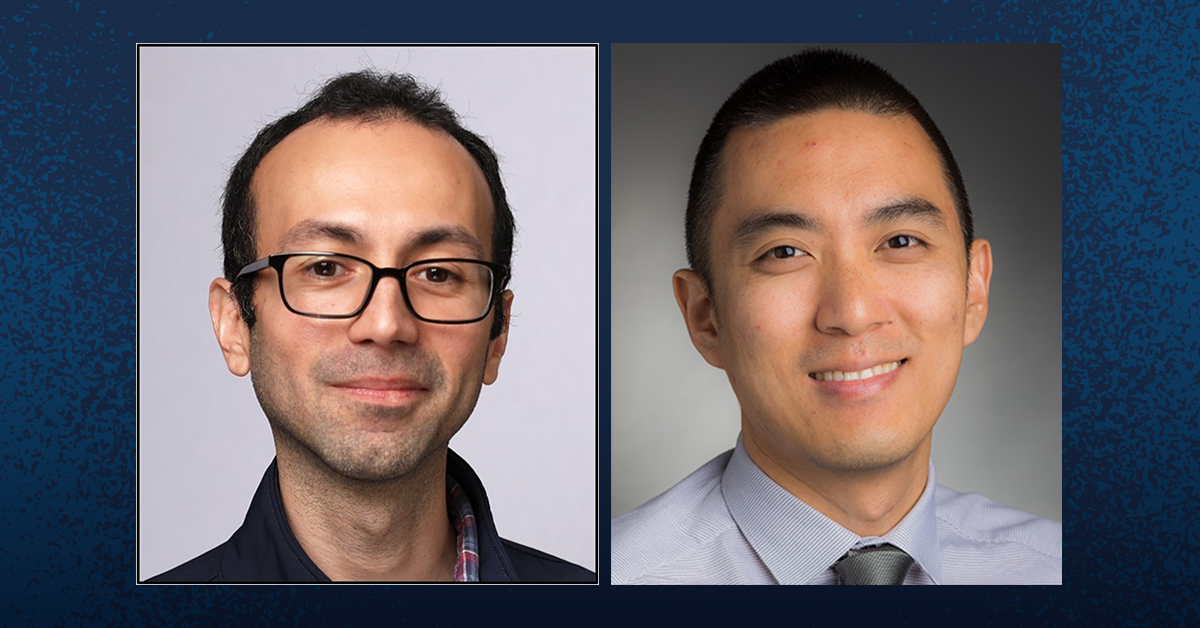
“We are thrilled to receive this award from DARPA and to bring together a world-class team to work on this groundbreaking project,” said principal investigator Alejandro Chavez, MD, PhD, associate professor of pediatrics. “Blood cell engineering is still an emerging field, but our team is committed to exploring this technology and maximizing its potential for transforming human performance.”
While the current project focuses on developing the technology for use in military contexts, it also has the potential to improve athletic performance and help treat conditions involving a lack of oxygen in delivery to tissues, such as heart attacks, stroke, vascular diseases and diabetic skin ulcers.
“This project has the potential to revolutionize the field of red blood cell engineering,” said coinvestigator Hojun Li, MD, PhD, assistant professor of pediatrics, attending hematologist/oncologist at Rady Children’s Hospital, and member of UC San Diego Moores Cancer Center. “While our focus in this current project is improving performance, if we achieve these goals, I’m excited to explore future possibilities of red cell engineering in cancer treatment, where both early detection and treatment of microscopic levels of disease could potentially be achieved by future iterations of “smart” red blood cells.”