
By Yue Stella Yu, CalMatters
This story was originally published by CalMatters. Sign up for their newsletters.
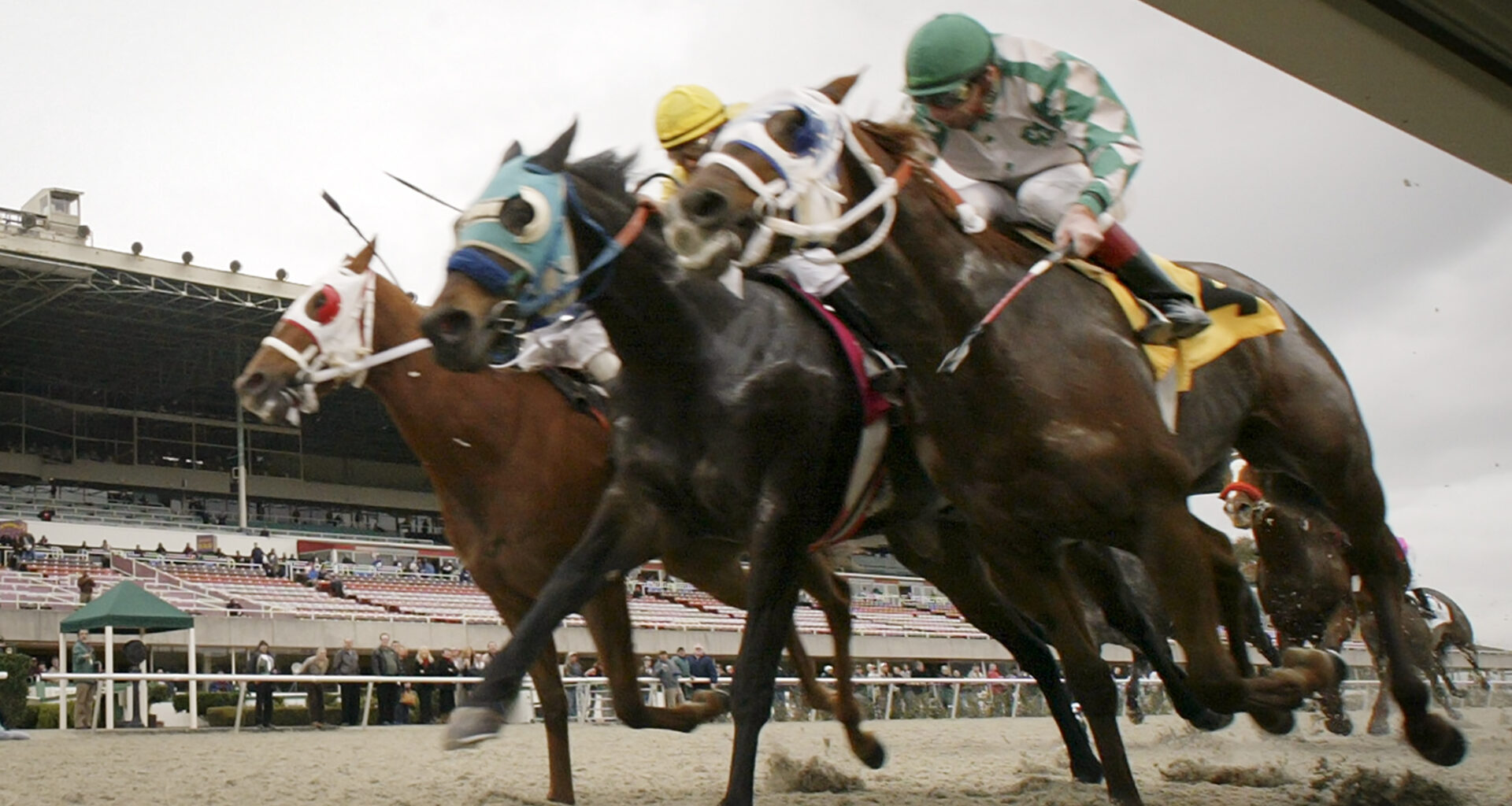
California lawmakers will spend up to $125 million in state funds to help buy and turn Golden Gate Fields, the 161-acre former horse racing track along the East Bay shoreline, into a public park — a priority of Gov. Gavin Newsom’s.
The funding will come from Proposition 4, the voter-approved $10 billion bond for climate projects such as drinking water, wildfire prevention and land conservation, despite concerns from environmental advocates and lawmakers that diverting the money would drain limited resources from those other priorities.
Golden Gate Fields, owned by Canadian company The Stronach Group, closed in 2024 after a 83-year run as interest in horse racing dwindled. In March, Trust for Public Land, a national nonprofit advocating for park access, announced its intention to raise $175 million to buy the land, transfer the deed to the East Bay Regional Park District and transform it into a publicly accessible waterfront park.
The plan drew support from local officials and state lawmakers representing the area, who deemed it a valuable opportunity to restore the coastline, expand access to public amenities and revitalize surrounding disadvantaged communities.
The track sits west of Interstate 80 in Berkeley with public beaches behind it; the city is on the opposite side of the highway.
“This is a major victory for our region,” said Sen. Jesse Arreguín, a Berkeley Democrat, in March.
Two months later, while presenting his May budget plan, Newsom proposed that the state foot most of the bill. The park district pledged $20 million and the nonprofit is expected to raise $30 million to make up the rest.
“This acquisition is a once-in-a-century opportunity to repurpose a former horse racing track into an iconic shoreline park and recreational hub, which will restore nature and expand open space and Bayshore access for millions of Bay Area residents,” Newsom’s May budget proposal reads.
Newsom’s proposal is now included in Assembly Bill/Senate Bill 113, which lawmakers are poised to adopt by Tuesday. Under the legislation, if the nonprofit and the park district raise more than $50 million by the end of the year, the state could pay less than $125 million.
But Sen. Eloise Gomez-Reyes, a San Bernardino Democrat who chairs the Senate budget subcommittee on resources, said she’s concerned the sizable investment would delay other funding priorities.
“The problem is, $125 million out of Prop. 4 is a lot of money,” she told CalMatters earlier this month. “Trying to find the best way to take care of the needs of Californians is not always the easiest thing.”
Annie Burke, executive director of conservationist coalition TOGETHER Bay Area, told lawmakers earlier this year that the “transformative” investment could “take funding away from the competitive grant-making program that those funds were originally allocated to.”
“It’s critical that we invest in smaller projects which are capably led by Native American Tribes, Native-led organizations, community-based organizations, and many others,” she wrote in a letter to lawmakers.
This article was originally published on CalMatters and was republished under the Creative Commons Attribution-NonCommercial-NoDerivatives license.