
The Aquarium of the Pacific has been taking care of hundreds of animals, including endangered and near-threatened species, after a large seizure by wildlife officials this summer.
Long Beach’s aquarium took in nearly 500 trafficked animals that were confiscated in June after wildlife officials seized a box truck filled with more than 2,000 animals, including fish, aquatic invertebrates, reptiles and amphibians, the Aquarium of the Pacific announced recently..
The Association of Zoos and Aquariums’ Wildlife Confiscations Network, which includes the Aquarium of the Pacific, was notified and the Long Beach facility immediately responded by taking in sensitive fish and aquatic invertebrates involved in the illegal wildlife trafficking, officials said.
The animals arrived at the aquarium on June 19, officials said, and staff worked through the night to stabilize them, acclimate them in specialized behind-the-scenes aquarium systems and provide them with the highest standard of care without delay.
“Wildlife trafficking disrupts national and global ecosystems and puts animals on the path to extinction,” Jeff Flocken, president and CEO of the Aquarium of the Pacific, said in a Thursday, Aug. 27, statement. “We are proud to answer the call to help trafficked wildlife and are committed to providing immediate care and a sanctuary for all of those that we can help.”

Confiscated animals in holding at the Aquarium of the Pacific on Wednesday, June 24, 2026, in Long Beach. (Photo courtesy of the Aquarium of the Pacific)

Confiscated animals in holding at the Aquarium of the Pacific on Wednesday, June 24, 2026, in Long Beach. (Photo courtesy of the Aquarium of the Pacific)

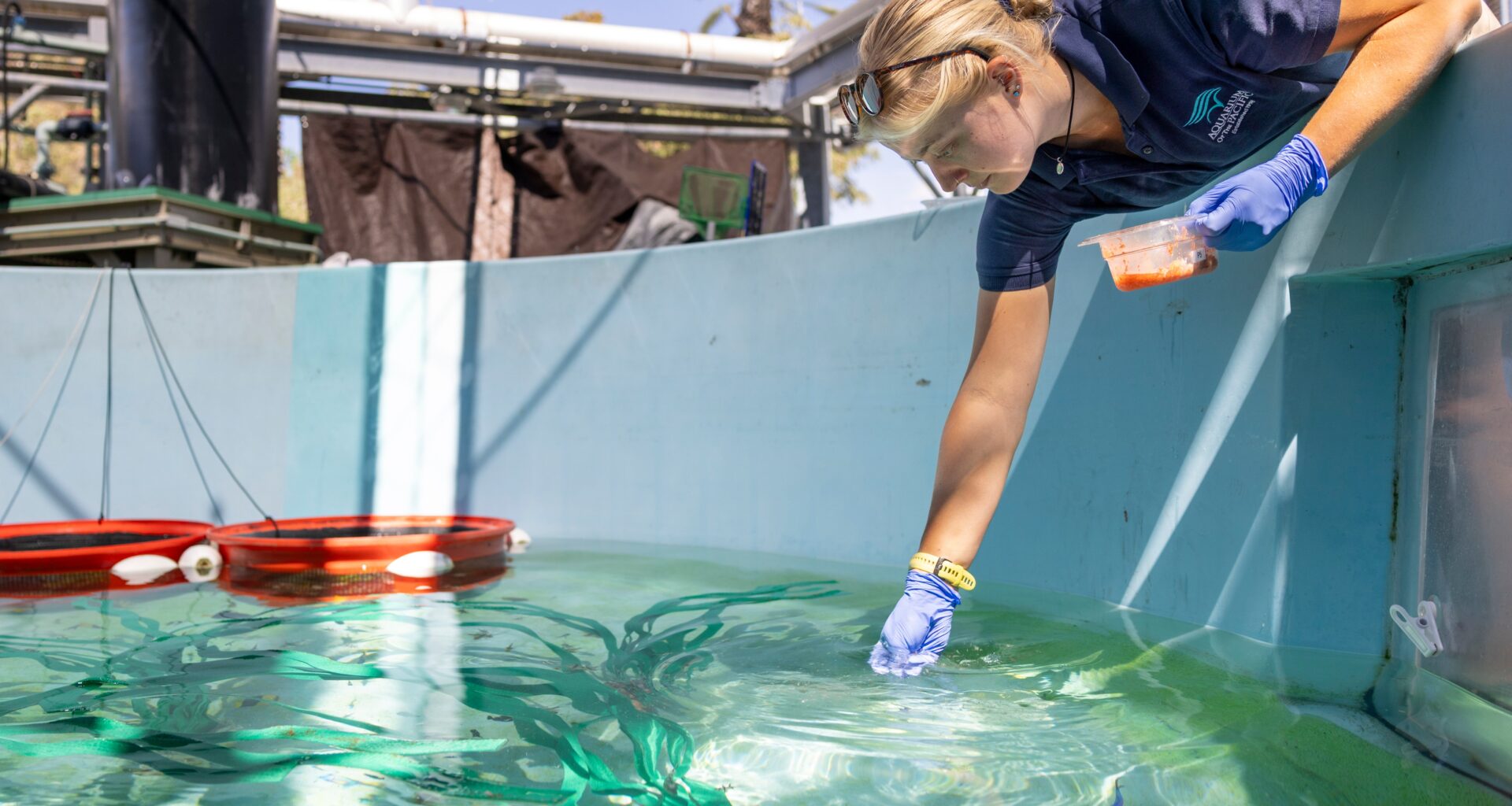
Aquarium of the Pacific aquarist associate Julia Locke feeds confiscated animals at Aquarium of the Pacific on Wednesday, June 24, 2026, in Long Beach. (Photo courtesy of the Aquarium of the Pacific)
Show Caption
1 of 3
Confiscated animals in holding at the Aquarium of the Pacific on Wednesday, June 24, 2026, in Long Beach. (Photo courtesy of the Aquarium of the Pacific)
Some of the species that were rescued include brown-banded bamboo sharks, a near-threatened species; ocellaris clownfish; and Banggai cardinalfish, an endangered species.
Confiscated animals are typically unable to return to nature because law enforcement cannot determine where the animals were collected from, according to aquarium officials. They may be unfit for survival in nature after living in human care, among other factors that could prevent their release.
Trafficked wildlife is often captured and transported in inhumane conditions, officials added, with many animals dying during their journeys from the wild into the hands of buyers.
Wildlife trafficking has become one of the largest illegal trades, growing rapidly online and becoming pervasive, including buyers and sellers in the United States, the aquarium said in its Thursday press release.
“We monitor all animals arriving to the aquarium very closely in quarantine areas where we can provide them immediate care and prevent any potential spread of diseases,” Alyssa Tillman, assistant curator of fish and invertebrates, said in a statement, “especially in an urgent situation like this.”
The Aquarium of the Pacific is one of the founding organizations in the Southern California Wildlife Confiscations Network, a partnership that launched in 2023 between the U.S. Fish and Wildlife Service and animal care partners in the region. The aquarium is also on the vetting committee as part of the process of adding new organizations to the SCWCN, which provides a coordinated system to help ensure the care and welfare of confiscated wildlife.
Since it joined the network, the Aquarium of the Pacific has helped more than 3,300 trafficked animals, including axolotls, corals, reptiles and fish, the press release said.
This year, the aquarium also received grant funding renovate and upgrade its existing holding area, and to build new holding systems to expand its capacity to take in confiscated animals, officials said. That money was provided by the U.S. Fish and Wildlife Service to AZA to execute “American Rescue Plan Act” funding.
Aquarium officials say that The public can avoid wildlife trafficking of exotic pets by researching the protected status of the species and making purchases through a reputable vendor, aquarium officials said. If the vendor cannot provide proof of where the animal came from, refrain from purchasing it.
If you suspect that someone is trafficking wildlife, contact the U.S. Fish and Wildlife Service tip line online or by calling 1-844-FWS-TIPS.