
For millions of men and their families, a prostate cancer diagnosis can bring difficult questions about what comes next and, for some, whether they will be able to access the care they need. Prostate cancer is the most commonly diagnosed cancer among men in the United States, and while it is highly treatable when detected early, not everyone has equal access to timely, high-quality care.
The disparity is particularly evident in California. Despite having a prostate cancer incidence rate about 13% lower than the national rate, California has a mortality rate about 6% higher, according to the American Cancer Society. For men who are uninsured or underinsured, financial barriers, difficulty navigating the health care system and limited access to specialists can make receiving timely treatment even more challenging.
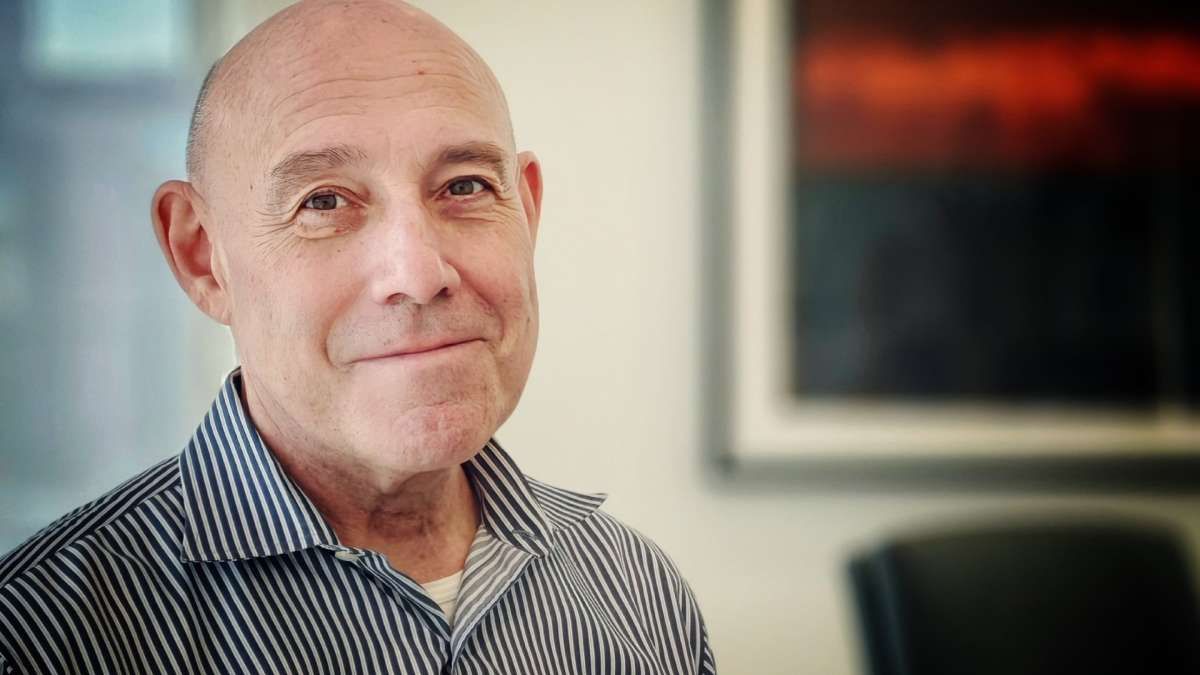
For Mark S. Litwin, MD, distinguished professor of urology and public health and investigator at the UCLA Health Jonsson Comprehensive Cancer Center, addressing those barriers has been a central part of his work for decades. In 2001, he helped establish the IMPACT program — short for Improving Access, Counseling and Treatment for Californians with Prostate Cancer — to provide free, comprehensive prostate cancer treatment to men who might otherwise struggle to access care.
Over the past 25 years, IMPACT has grown into the largest prostate cancer treatment program of its kind in the country, with thousands of individuals turning to IMPACT for information, resources or assistance with accessing prostate cancer care. Today, the program works with more than 600 healthcare providers and other organizations across California and has received more than $133 million in state support, including an additional $3 million recently awarded by the California Department of Health Care Services to continue its work.
As the program marks its 25th anniversary, Dr. Litwin reflects on its origins, how the needs of patients have evolved, and why its mission remains as important as ever.
Take us back 25 years. What was happening that led you to create IMPACT?
Like so many meaningful things in life, this was serendipity. In the fall of 2000, I was asked by officials in Sacramento to consult on how best to spend $50 million that had been allocated in the state budget to treat low-income, uninsured men with prostate cancer. After several hours of meetings, the state asked me to spearhead a new program. At the outset, a portion of the budget was designated for outcomes research in this population, and that is primarily what drew my interest. That interest was quickly replaced by the opportunity to address an extensive unmet need in a marginalized population.
Did you imagine the program would still be serving Californians 25 years later?
No. Our hope was always that the program would become unnecessary because some form of universal health coverage would be adopted. With the establishment of the Affordable Care Act, we thought that moment had arrived. But it turned out that the politics of that law still excluded a large number of California residents, so the program needed to continue.
California has invested more than $133 million in IMPACT since its creation. What does that sustained state investment say about the importance of the program?
California has always been a leader in supporting social justice and medical care for marginalized populations, such as those with cancer, AIDS and other conditions. That the state has continued to fund the IMPACT program through both thick and thin times indicates its importance in the larger mission of government. Gandhi is often credited with saying, “The true measure of any society can be found in how it treats its most vulnerable members.” For California, this applies across the political spectrum.
More than 2,300 men have now received treatment through IMPACT. What does that number mean to you?
The number of people to whom we have provided direct services represents only a fraction of those we have served. If we also count family members, men who were not eligible for enrollment but whom we referred to other services, and men across California who have benefited from improvements in the quality of care motivated by IMPACT, the number affected is many times greater.
What would you like people to understand about the program that they might not know simply by looking at the numbers?
The men directly served in the IMPACT program are individuals who truly would otherwise “fall through the cracks” of our society. The majority are working at least two jobs but do not have medical insurance, and simply do not have the bandwidth, understanding, or self-empowerment to advocate for themselves and their own health. One principal goal of our nurse case management framework is to change that and teach men the skills they need to develop self-efficacy.
What difference does it make when someone can receive high-quality cancer treatment without having to worry about whether they can afford it?
It is of course life-changing when someone is able to access the best medical care. Add to that relief from concerns about payment, and we have a truly ideal situation for providing care and healing.
There is a common perception that because more people have health insurance today, access to care is no longer a major problem. Why isn’t that the case?
If only that were true across the board. The current political environment has seen health insurance removed from millions of people. And, of course, the most vulnerable and least empowered among us suffer first and most. Keep in mind that we have an obligation to provide medical care to all those living here, not just those eligible for health insurance. Our mission is summed up in a framed note from my late grandmother in 1993 that hangs in my office and motivates me every day: “May you be well, may you make people well, may you make people well who can’t pay for your services.”
Prostate cancer is highly treatable when caught early, yet access to that treatment isn’t equal. What do you think needs to happen to close that gap?
Health insurance coverage for all would be a great first step. But even in systems where everyone has coverage, such as the VA, not all men go for screening and early detection. We need to do a better job of educating people about what they can do to be proactive about their health care.
As you look ahead, what do you hope IMPACT’s next 25 years will look like?
I hope the program is eventually sunset because it is no longer needed, as everyone in the United States has earned the right — not the privilege — to health care.