
Visitors head to national parks for open space, quiet, and a sense of freedom.
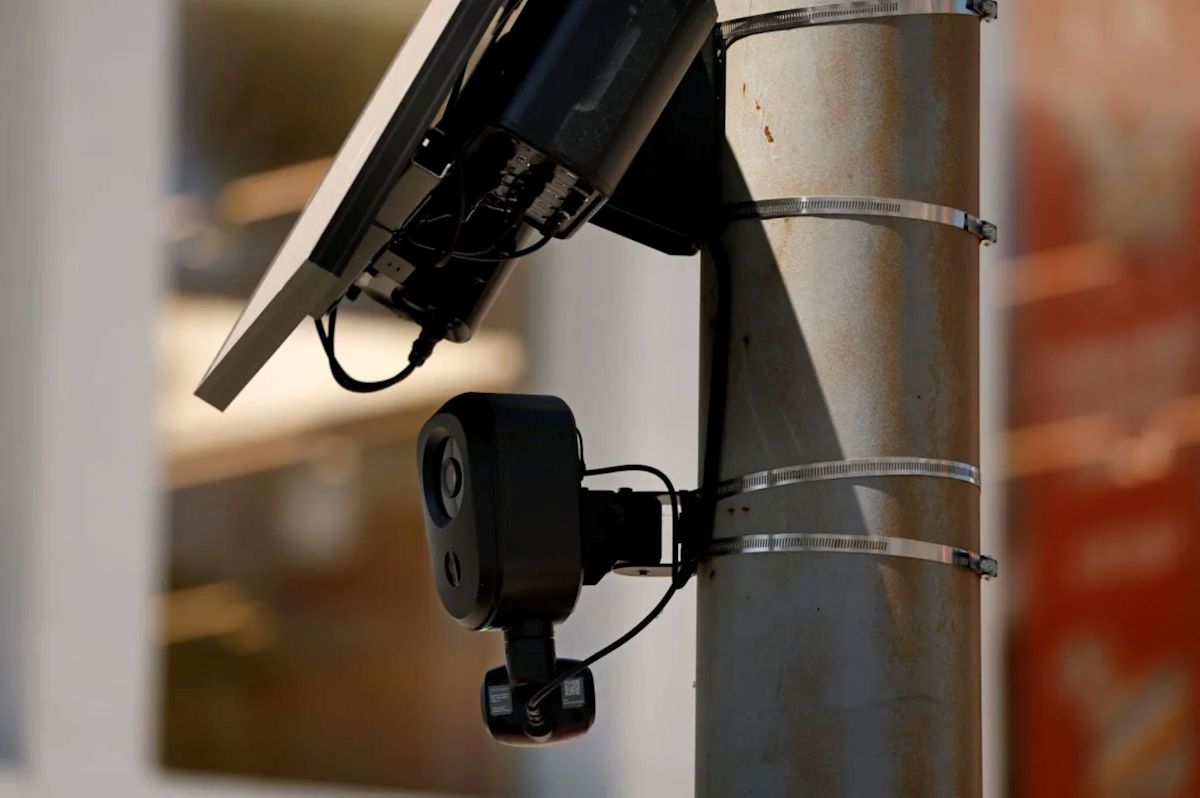
Now, reports that the National Park Service has installed Flock’s AI-powered license-plate reading cameras are drawing alarm from rangers, who say surveillance has no place on public lands.
Here’s what to know
Current and former park rangers told 404 Media that they oppose the National Park Service’s use of Flock cameras at parks including Yosemite. The outlet said it granted them anonymity because they were not authorized to speak publicly.
One current NPS ranger told 404, “Flock protects property, not people or parks. People should be free to recreate in ways that are respectful to the ecosystem — but the surveillance is a disrespectful invasion of privacy.”
By capturing license plates along with details such as a vehicle’s make, model, color, and other identifying features, Flock AI-powered cameras create location logs tied to specific times. Law enforcement agencies commonly have access to that information, which can also be queried across a broad network. Unfortunately, law enforcement officers have also routinely been caught misusing this Flock technology, driving further distrust in police departments.
A second current ranger put the issue in simple terms to 404, explaining, “I just think that every American should be free to visit our national parks without their location being traced and tracked by the federal government. Wild places are at the core of American freedom and nobody should be afraid to visit them.”
More background
National parks are meant to be among the most accessible shared spaces in the country. For many families, they are places to hike, camp, watch wildlife, and connect with nature without commercial pressure or digital intrusion.
But rangers say surveillance tools can undermine that experience and erode public trust. As a former NPS ranger told 404 Media, “I think if the public knew that their public lands were being surveilled, they would push back.”
If parks begin to feel more like monitored checkpoints than public commons, it could disincentivize people to visit or make it harder to build the broad public support needed for conservation.
Get TCD’s free newsletters for easy tips, smart advice, and a chance to earn $5,000 toward home upgrades. To see more stories like this one, change your Google preferences here.