
A toxic algal bloom is causing a crisis for coastal mammals. El Niño could make it worse.
Sep 2, 2026
Updated 3:43 pm PT
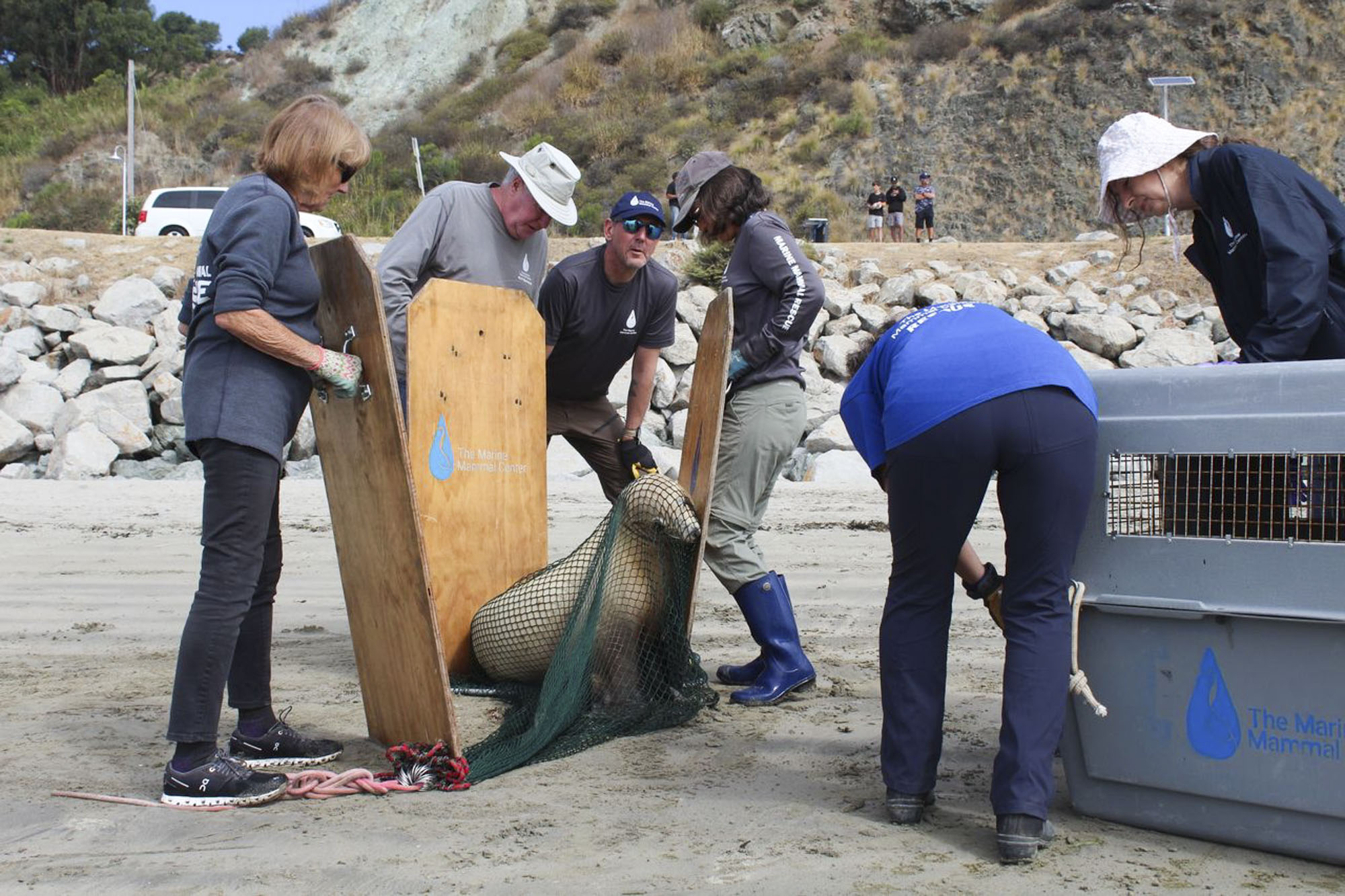
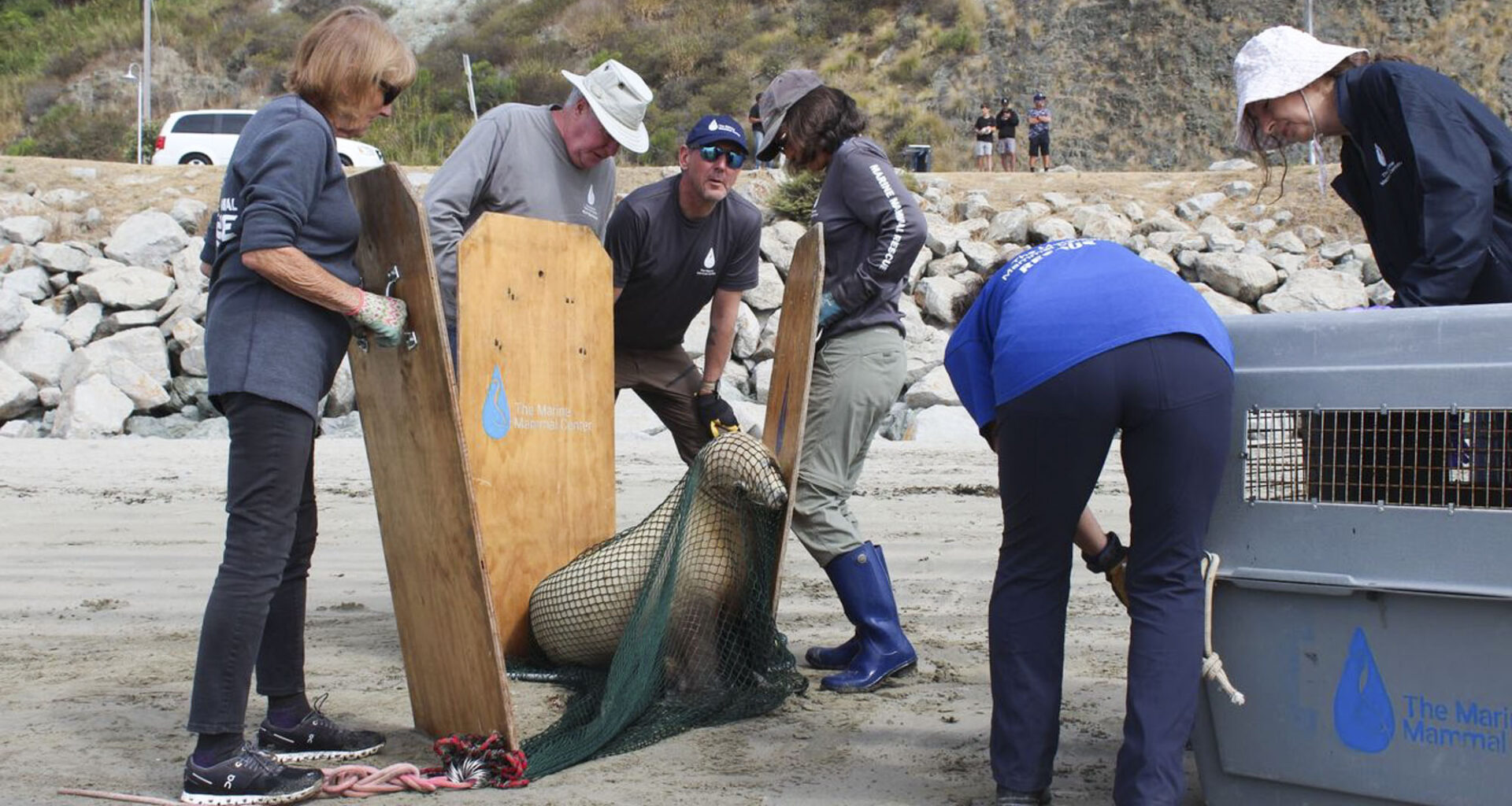
A team of trained responders from The Marine Mammal Center’s San Luis Obispo Operations based in Morro Bay, California, rescue a California sea lion with suspected domoic acid poisoning. In 2024, the center responded to more than 200 individuals suffering with poisoning due to the domoic acid outbreak in San Luis Obispo County. More than 100 sick California sea lions were reported as a toxic algal bloom intensifies along the coast.
(Courtesy of Giancarlo Rulli/The Marine Mammal Center)
California sea lions are in trouble. A toxic algal bloom has caused a rash of poisonings, leaving the mammals confused, lethargic and, in some cases, dead along the California coast.
Dozens of sea lions have been sickened by domoic acid poisoning, caused by a toxin in algae that can cause seizures and even heart failure. Signs of exposure in sea lions include lethargy, disorientation, tremors, twitching and seizures. The animals ingest the naturally occurring neurotoxin by eating fish or shellfish.
The Marine Mammal Center in Sausalito said it has treated more than 100 sea lions — above the yearly average of 75 to 90 — with the majority of these cases occurring since the start of July. Officials with the center worry that already higher-than-normal sea surface temperatures and additional warming from the climate pattern El Niño could exponentially increase the number of infected mammals.
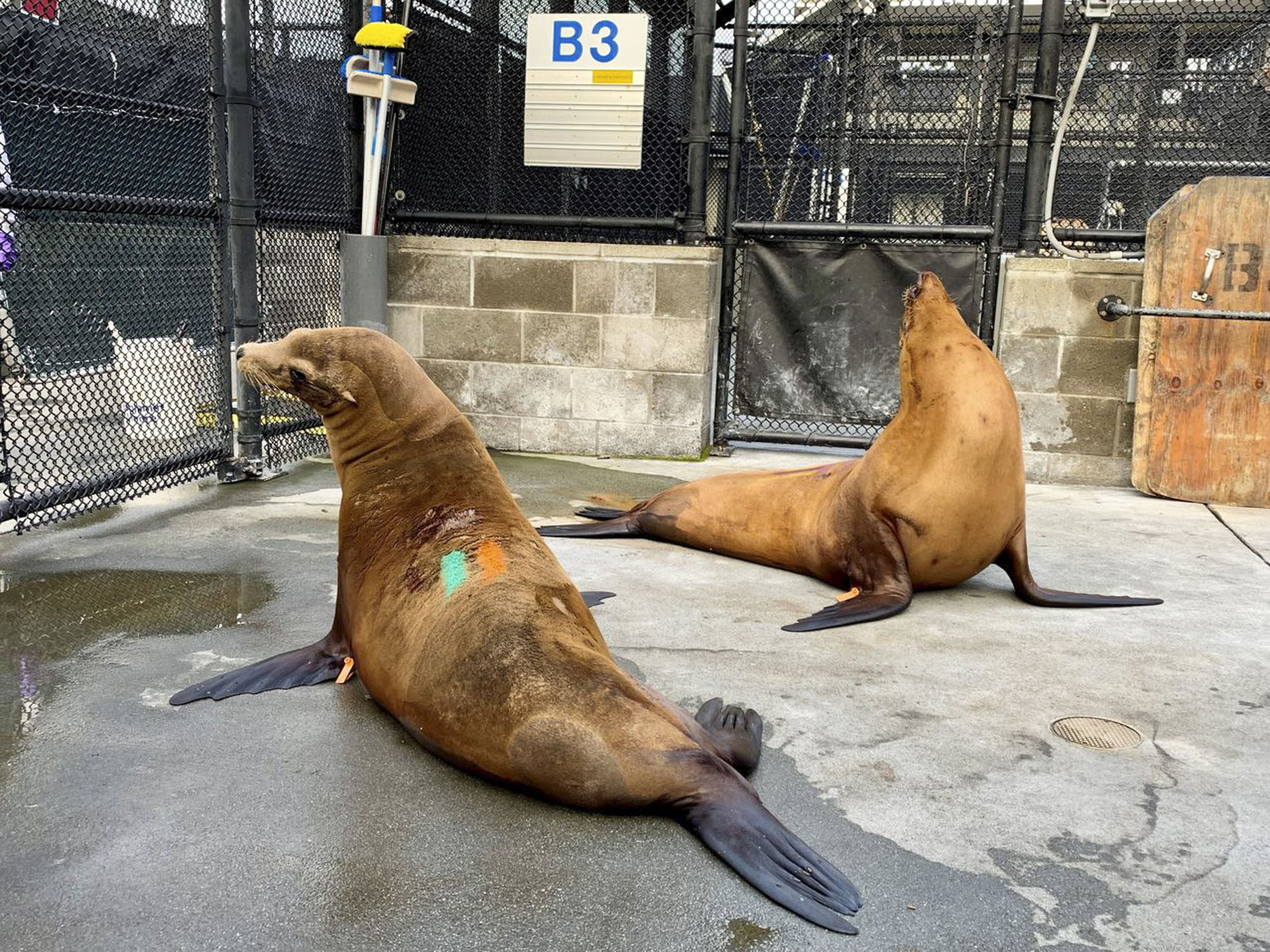 Two California sea lions suffering from domoic acid toxicosis are admitted to The Marine Mammal Center’s hospital and visitor center in Sausalito, California. Domoic acid is produced during certain harmful algal bloom events and accumulates in small fish, like sardines and anchovies. These small fish are a major food source for marine mammals like sea lions, which is how they can become poisoned by this toxin. (Courtesy of Giancarlo Rulli/The Marine Mammal Center)
Giancarlo Rulli, spokesperson for the center, said dispatchers are receiving up to 600 calls a day reporting sick sea lions. Over the past week, the center rescued around 30 sea lions.
“We’ve seen a major flare-up in Monterey and Santa Cruz counties,” Rulli said. “This is highly emotional, and it can be very disturbing to see an animal that’s not in control of itself out on the beach.”
Additional rescues have taken place in San Mateo, San Francisco, Marin and Sonoma counties. The center has also treated a handful of northern fur seals. Treating a single mammal can require up to six trained responders and may involve repeated doses of antiseizure medication.
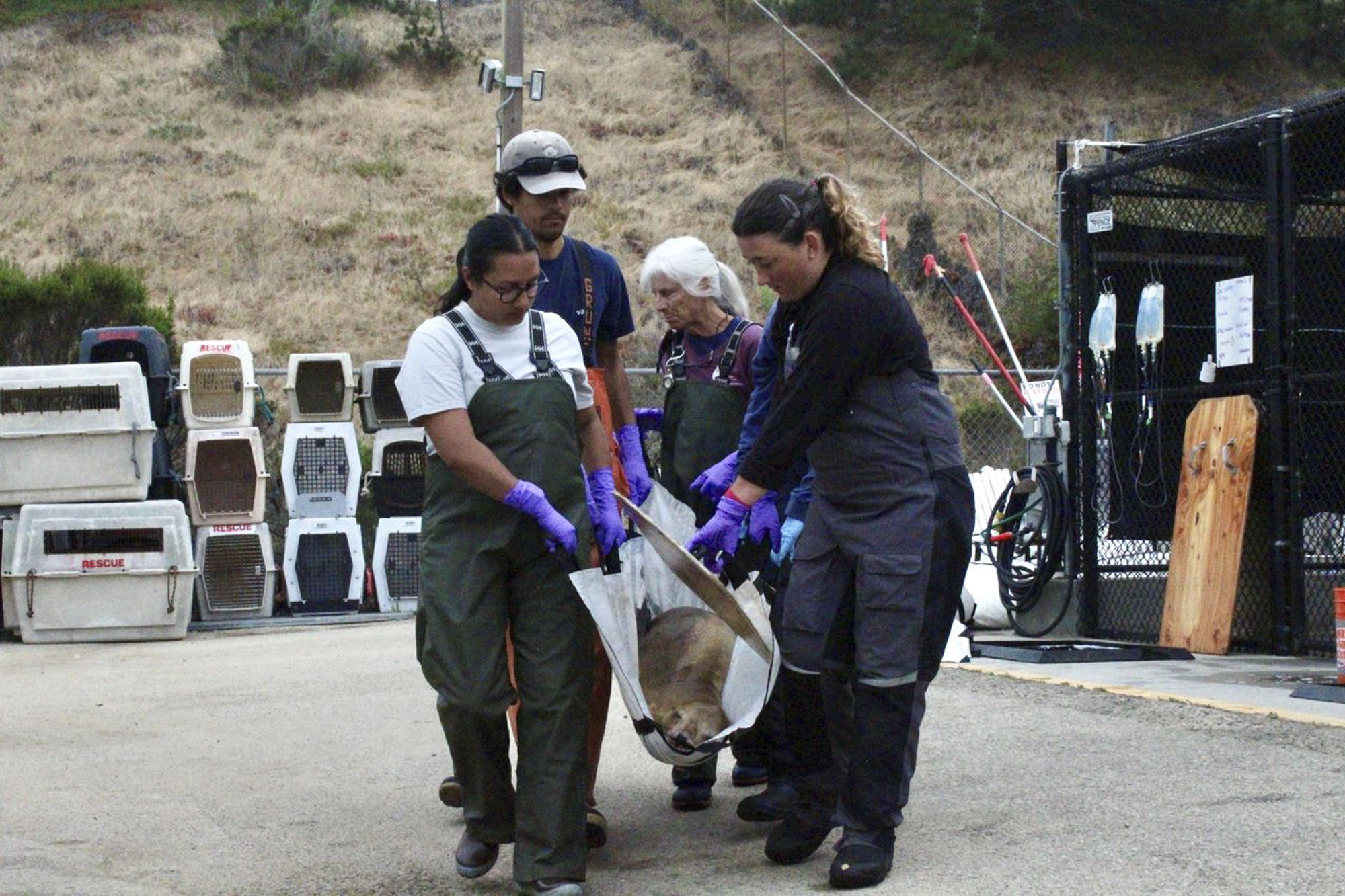 A lethargic California sea lion with domoic acid toxicosis is transported by The Marine Mammal Center’s Morro Bay response team to be treated at the Center’s hospital and visitor center in Sausalito, California.
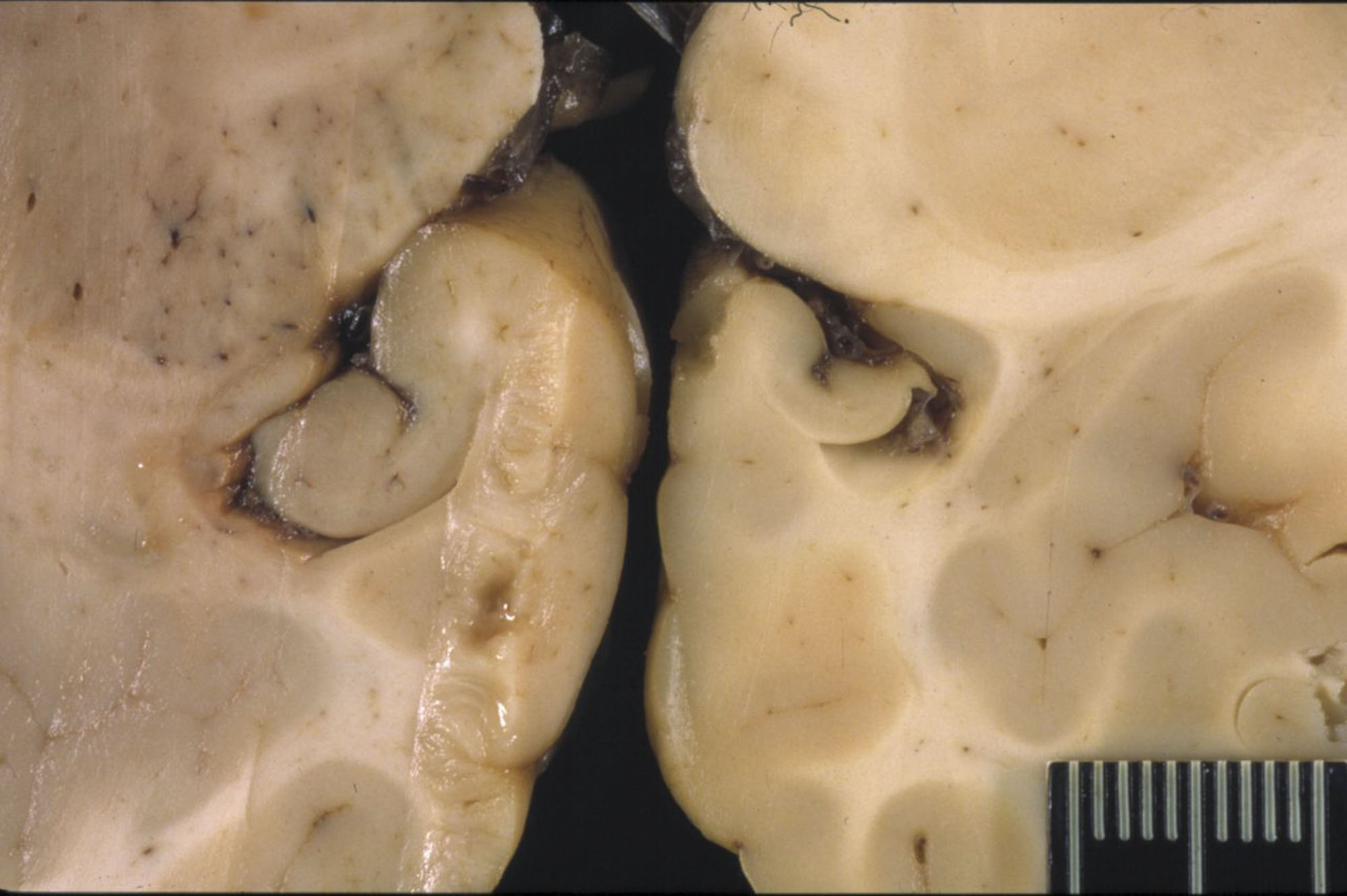 At the Marine Mammal Center’s hospital and visitor center in Sausalito, California, the veterinary team shows a side-by-side comparison of two California sea lion brains. The left brain shows a normal California sea lion brain section. The right brain depicts a California sea lion brain that has been affected by domoic acid exposure, where there is a noticeably shrunken hippocampus in the center of the brain section.
“It’s brutal on the animals,” Rulli said. “We are seeing animals die out on the beaches. There are a fair amount of carcasses out there. We’re seeing animals pass away in transport being brought back to the hospital.”
Rulli said the cases are a sign that the toxin has worked its way through the food chain in “a short-term burst,” but said the center is also seeing chronic cases where sea lions have “brain lesions and permanent heart damage.”
Along the northern California coast, marine algal blooms are primarily caused by natural factors such as ocean upwelling of nutrient-rich water and warm ocean temperatures.