
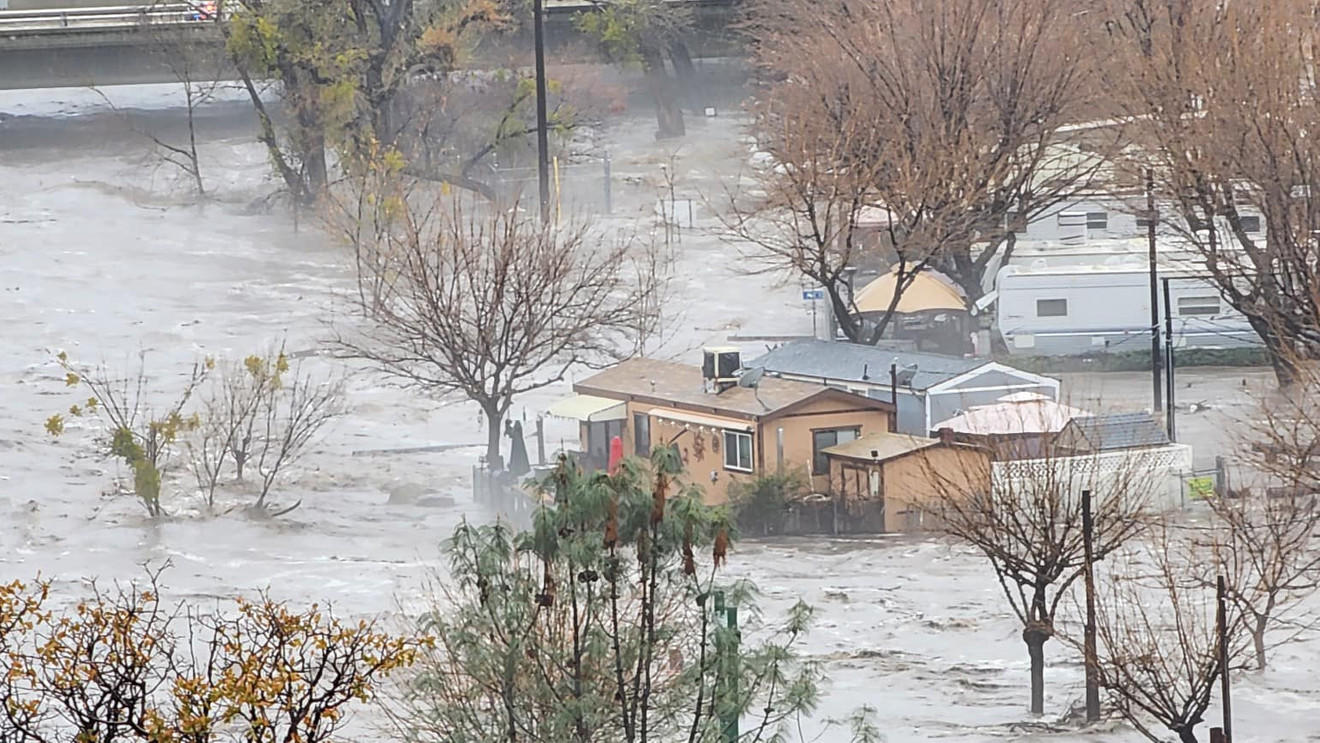
BAKERSFIELD, Calif. (KBAK/KBFX) — Significant flash flooding at Grand Canyon National Park over the weekend is raising questions about how quickly these events can develop — and whether something similar could happen closer to home in Kern County.
While the images coming out of the Grand Canyon are dramatic, meteorologists say Kern County also has areas susceptible to flash flooding.
Where is the flash flood risk highest in Kern County?
Emily Wilson, a meteorologist with the National Weather Service in Hanford, said the risk varies depending on location and how easily the ground can absorb water.
“The most susceptible is the Mojave Desert, for sure,” Wilson said. “That’s just because the ground is not so permeable as it is in the valley where there’s more rainfall. Its more common for that area, as well as the mountains and the city of Bakersfield, just any kind of the city with a lot of concrete and asphalt where water can run off really easily.”
Wilson explained that desert areas can be vulnerable because the ground is hard and does not readily absorb rainfall. In urban areas such as Bakersfield, large amounts of concrete and asphalt can also cause water to run off rather than soak into the ground.
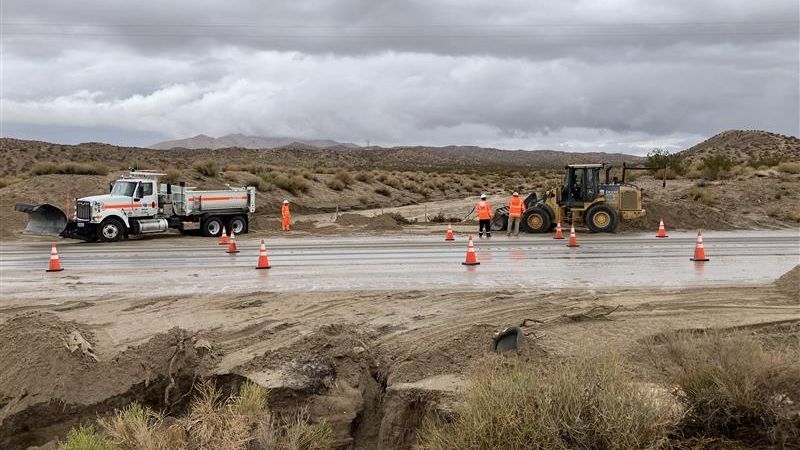
Caltrans crews clean up roads after flash floods in the Kern County desert on Friday, Sept. 19, 2025. (KBAK/KBFX)
Mountain areas can also face a risk, particularly in terrain where water can quickly move downhill.
“Anywhere where water can’t easily permeate into the ground would have a risk of flash flooding,” Wilson said.
What can trigger a flash flood?
Wilson said flash flooding is not as common locally as it is in some areas of the Sierra Nevada foothills, but that does not mean it cannot happen in Kern County.
One of the primary concerns is a strong thunderstorm producing a significant amount of rain over a short period of time.
“The most likely flash flooding conditions we’ll see is any kind of like a strong thunderstorm that moves through, that drops a whole bunch of rain at a time,” Wilson said.
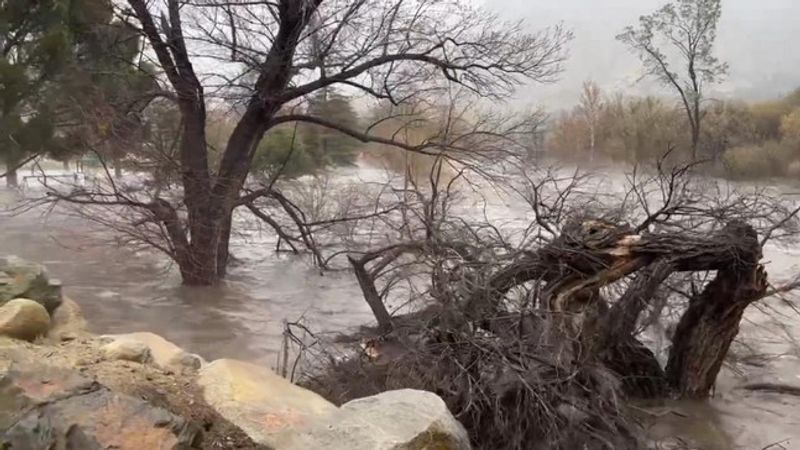
JoshKopperman_Kernville_RiversidePark2.jpg
Flash flooding can develop rapidly because the water may have nowhere to go, particularly in areas where the ground cannot absorb rainfall quickly enough.
The danger was on display at the Grand Canyon over the weekend. The National Park Service said the flooding caused significant damage throughout Bright Angel Canyon, destroying footbridges and sending debris into the Colorado River. Additional thunderstorms and heavy rainfall were also expected to create the potential for additional flooding, debris flows and rockfall.
What could El Niño mean for the risk?
The potential for flash flooding is also something forecasters will continue watching as El Niño strengthens in the Pacific.
Wilson said flash flooding is possible during the months ahead, but exactly how the developing El Niño will affect Kern County’s fall and winter weather remains uncertain.
Individual flash floods depend on the conditions surrounding a particular storm, including how much rain falls and how quickly it comes down.
That means a strengthening El Niño does not guarantee Kern County will experience flash flooding.
What happens when flash flooding becomes a threat?
When conditions indicate flash flooding is occurring or becoming dangerous, the National Weather Service works to issue warnings as quickly as possible so people in affected areas can take action.
Wilson said paying attention to weather alerts is particularly important when thunderstorms or heavy rainfall are in the forecast.
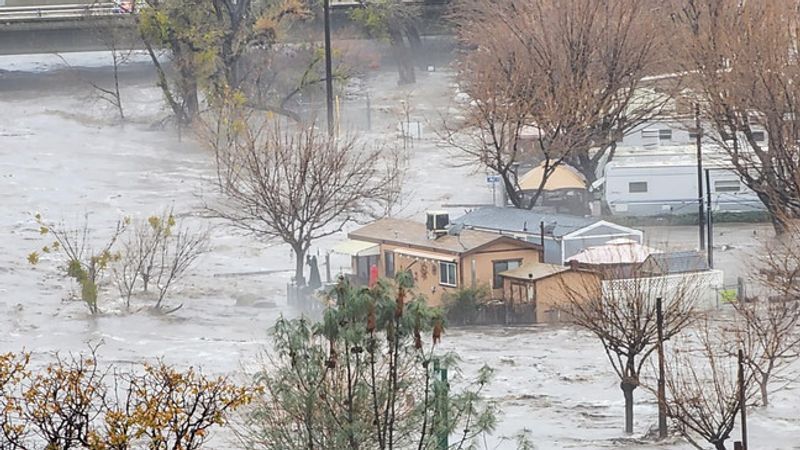
Winter weather picture sent in by: Donna Harris
And if flooding does occur, she has a simple message for residents: get away from the water rather than attempting to cross it.
“Go to higher ground, don’t drive through it, don’t think your car can make it because most of the time it cannot,” Wilson said. “I know your car, you think you can, but it won’t.”
The National Park Service similarly warns that flash floods can occur with little or no warning and advises people in flood-prone areas to have a quick exit plan and immediately move to higher ground when signs of flooding develop.
For Kern County residents, Wilson said knowing which areas are susceptible, following weather alerts and taking warnings seriously can be critical when thunderstorms bring heavy rainfall.