
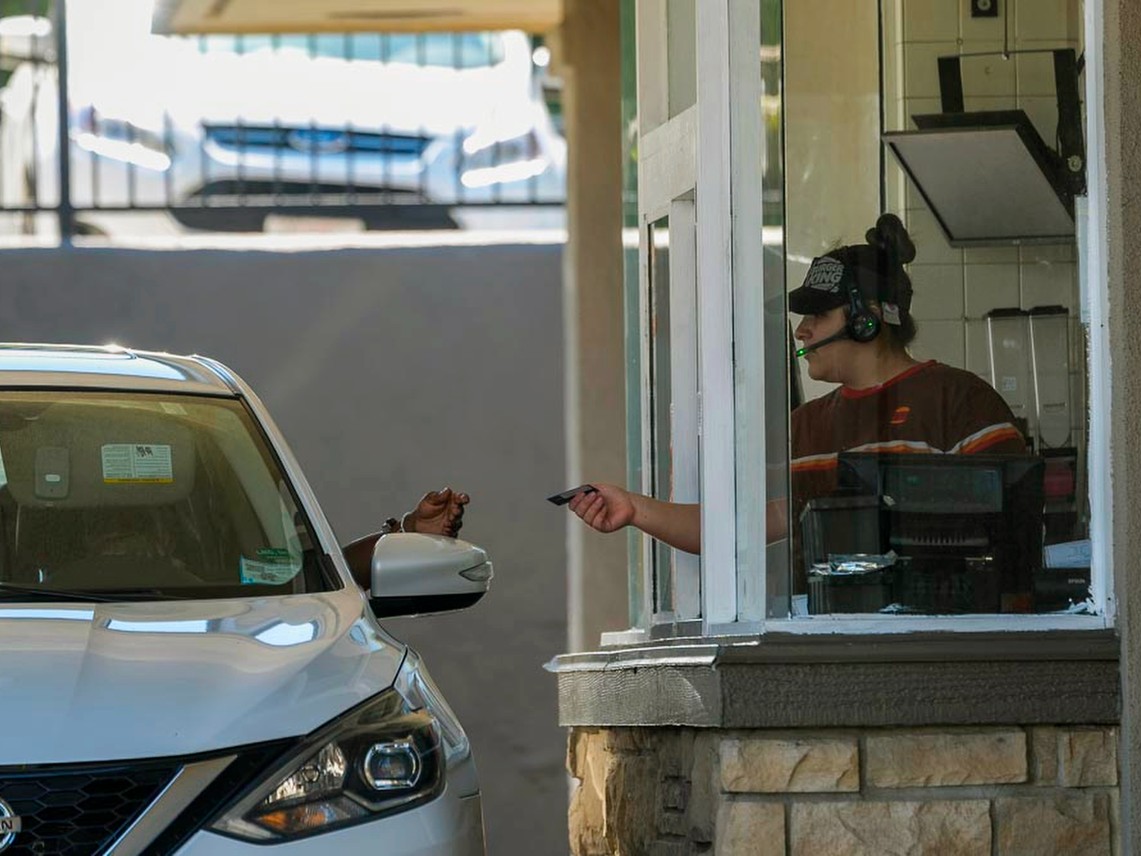
It’s Labor Day and that means barbeques, swimming and—lest we forget—labor. The holiday is rooted in workers’ rights, with the first holiday celebrated in September 1882. The co-founder of the American Federation of Labor suggested designating a day for a “general holiday for the laboring classes,” according to the U.S. Department of Labor.
In the late 1930s, the U.S. established the eight-hour workday and federal minimum wage laws. This year, California extended collective bargaining rights to rideshare drivers, raised the minimum wage to $16.90 and expanded services workers’ rights to keep 100% of their tips.
These are the kinds of protections the Center for Workers’ Rights (CWR) in Sacramento is tracking and educating workers about.
Founded in 2014, the organization serves low-wage workers in agriculture, food service, caregivers and other industries across Northern California, providing workers’ rights education and free legal services. The center’s free workers’ rights clinics will start Sept. 17 and run weekly.
CapRadio asked CWR’s Outreach Manager Laura Navarro what the main challenges are for today’s low-wage workers in the Sacramento region.
This interview was edited for length and clarity.
Interview highlights
What types of issues do you help workers with?
[We help with] questions about whether or not they should apply for unemployment benefits, if they have issues with their unemployment insurance, access to their paid sick leave, any type of retaliation [or] discrimination, really anything related to workplace issues.
What’s the most common problem low-wage workers are dealing with?
A lot of the time we’re talking to workers about minimum wage, and just wage stuff in general. Unfortunately it’s a very common issue amongst workers in the North State. They’ll either be underpaid, they’re not being paid their overtime, they may not be paid their tips, that’s what we see.
Let’s say they’re getting paid in cash, the employer is only paying them by day. That by-day total may not be sufficient for the minimum wage in California. Sometimes it can be for agricultural workers, even restaurant workers. They may not get their tips. They may get some unlawful deductions at times, or even show up to work and they’re like, “you can go home, there’s no work today.” There’s a protection when it comes to that.
Sometimes folks don’t realize that it’s happening to them unless they’re having a conversation with us, even simply access to paid sick days. Every worker is entitled to five days of paid sick days, and unfortunately there’s a lot of folks who may not know that, or their employer doesn’t let them know.
It might be scary for a worker to think about bringing this issue forward even with a lawyer. What do you tell people who are hesitant to try and resolve these problems?
We have the California Worker Outreach Project to help create a bridge to the state agencies where they can go and file complaints. [Workers can] let the employer either pay them back, or access state agencies that can intervene and help facilitate conversation with the worker and the employer.
When I’m out on the field and I’m talking to [workers], and they’re expressing, “I’m scared to have a conversation,” it’s 100% understandable. There’s fear of potential retaliation, but it’s also about making sure the worker knows that they have their power as well.
If this issue is happening to them, you can only imagine that this has been happening for, oh my gosh, probably a lot longer than before that worker came into the picture. [And] it’s likely going to continue to happen. If we keep letting this happen, that person’s just getting away with it.
Without anybody speaking up, there’s going to be more people after you be[ing] taken advantage [of]. It’s up to you to put a halt on that because without that worker, there isn’t going to be a change.
The Center for Workers’ Rights’ weekly clinics begin Sept. 17. Call (916) 905-5857 for more information or to make an appointment.
CapRadio provides a trusted source of news because of you. As a nonprofit organization, donations from people like you sustain the journalism that allows us to discover stories that are important to our audience. If you believe in what we do and support our mission, please donate today.