
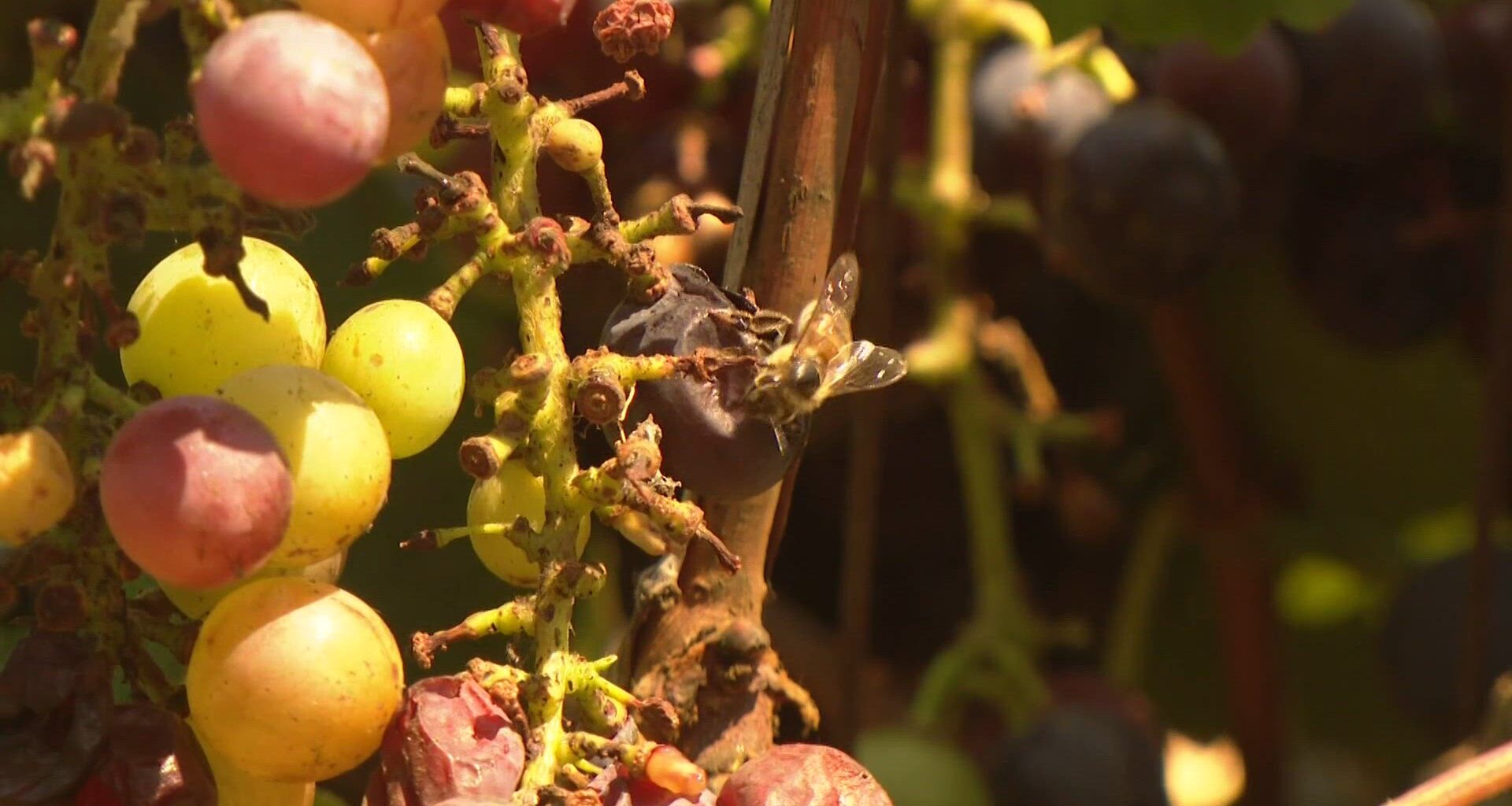
After extreme heat eased in the county, residents now face a surge in insect populations. Horticulturalist David Ross attributes the increase to warm conditions.
SAN DIEGO — After weeks of extreme heat, the heat wave has finally eased across San Diego County. But for many residents, relief from high temperatures has brought another concern: the noticeable increase in insects.
Horticulturalist David Ross says the recent weather has created especially favorable conditions for bugs to reproduce and thrive.

This story continues below.
“The weather has been very cooperative for bugs and their life cycles this summer,” Ross said. “There’s no doubt about it, especially the last few weeks.”
Ross said the increase is typical for late summer, though the prolonged heat may have made it more noticeable. He has not necessarily seen more insects than during the same period last September, but said there are clearly more bugs now than there were a month ago.
It is not just daytime heat driving insect activity. Ross said unusually warm overnight temperatures over the past two weeks have helped bugs continue reproducing without the usual nighttime cooldown.
“The minimum temperatures have been so high,” he said.
As long as nighttime temperatures remain elevated, insect populations can continue to multiply. Once days shorten and overnight lows begin to fall, Ross expects bug activity to decline.
“As the days get shorter and the overnight lows cool, it looks like the bug population will start to diminish,” he said. “We’ll just have to wait this whole thing out.”
How to reduce bugs around your home
Ross said insects are unavoidable this time of year, but residents can reduce the conditions that attract them by keeping homes and yards clean.
“We’re going to have bugs this time of year,” Ross said. “You can minimize it; you’re not going to eliminate it.”
Fruit left on vines or the ground can attract insects, including bees and flies. Ross pointed to ripening grapes as one example of a food source that can draw bugs into a yard.
Standing water is another common problem, particularly for mosquitoes. Containers, plant cups, pots, or other items that collect water can become breeding sites for mosquito larvae. Ross recommends removing standing water or using mosquito-control products such as mosquito bits where water cannot be emptied.
Ants need a different approach
Ants can also become more visible during hot weather as they search for food and water. Ross said simply spraying ants may kill the insects that are visible without addressing the colony itself.
“Ants are a continuous problem, looking for water, looking for food,” he said.
Instead, he recommends using bait products that worker ants carry back to the nest. That approach targets the colony rather than only the ants seen moving through a home or yard.
For now, residents may have to tolerate the late-summer surge. Cooler nights in the coming weeks should gradually slow insect reproduction and bring relief from the seasonal bug boom.