
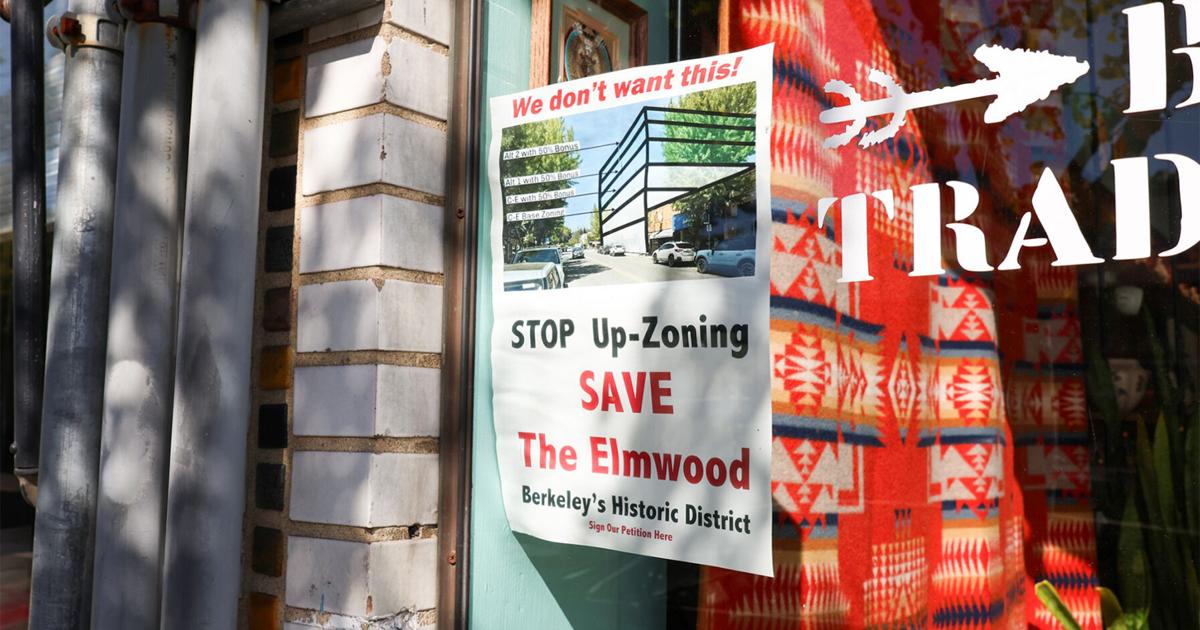
As the Berkeley City Council’s vote on the Corridors Zoning Update, or CZU, looms, Save Berkeley Shops is proposing an alternative zoning plan and is preparing to establish a ballot referendum against the upzoning.
The CZU will allow for potential upzoning — the changing of zoning laws to allow for denser development in a given area — in multiple Berkeley neighborhoods, including the Elmwood area on College Avenue, which some worry will push out the local small businesses community.
Save Berkeley Shops, or SBS, has proposed an alternative plan, called “community zoning,” which incentivizes developers — through giving them expedited permits and the ability to build larger projects — to build modest family homes, affordable units and ground-floor retail space as part of their development plans.
If the City Council does pass the controversial upzoning ordinance, SBS plans to push for a citywide referendum on the item.
If it comes to that, the organization will have one month to gather signatures from approximately 6,000 registered Berkeley voters. If it succeeds, SBS will qualify the referendum for the ballot, and the ordinance will be frozen. It will not be able to take effect unless it is approved by voters in the next general election, which will take place in 2028.
According to Donald Simon, president and cofounder of SBS, the organization had a meeting with multiple council members in June to present their findings and proposals, after which they sent the council a questionnaire asking what they believed the final proposal should look like.
“So Berkeley is adding an enormous amount of housing. We still support them adding more because that’s useful and helpful, but they don’t need to be built right smack dab in the middle of these small business districts,” Simon said. “We will lose ground floor retail space and … the disruption that comes from long construction projects like that — with roads being closed, traffic being rerouted, the noise, the disruption, the vibration — really impacts the remaining businesses there and threatens their continued survival.”
In May, the Berkeley Planning Commission considered the CZU, paying specific attention to small business protections, according to District 4 Councilmember Igor Tregub.
However, Tregub said in an email that “it is unclear when it will come to Council,” and that he does not expect the vote to happen before next year.
“City Council has changed its mind around when it’s going to bring this before council no less than a dozen times since the process began. We get conflicting information every time we ask,” Simon alleged. “We expect this to be brought before City Council sometime before the current City Council’s terms expire at the end of November.”
“They can choose to adopt what we had proposed. It’s very simple. Or, they can do something similar,” Simon said. “But what they have proposed so far — and they admitted to use in a private meeting with the head of the planning department — is unenforceable. We will not have ground floor retail in these new housing projects. That’s a shame, because we could have both.”