
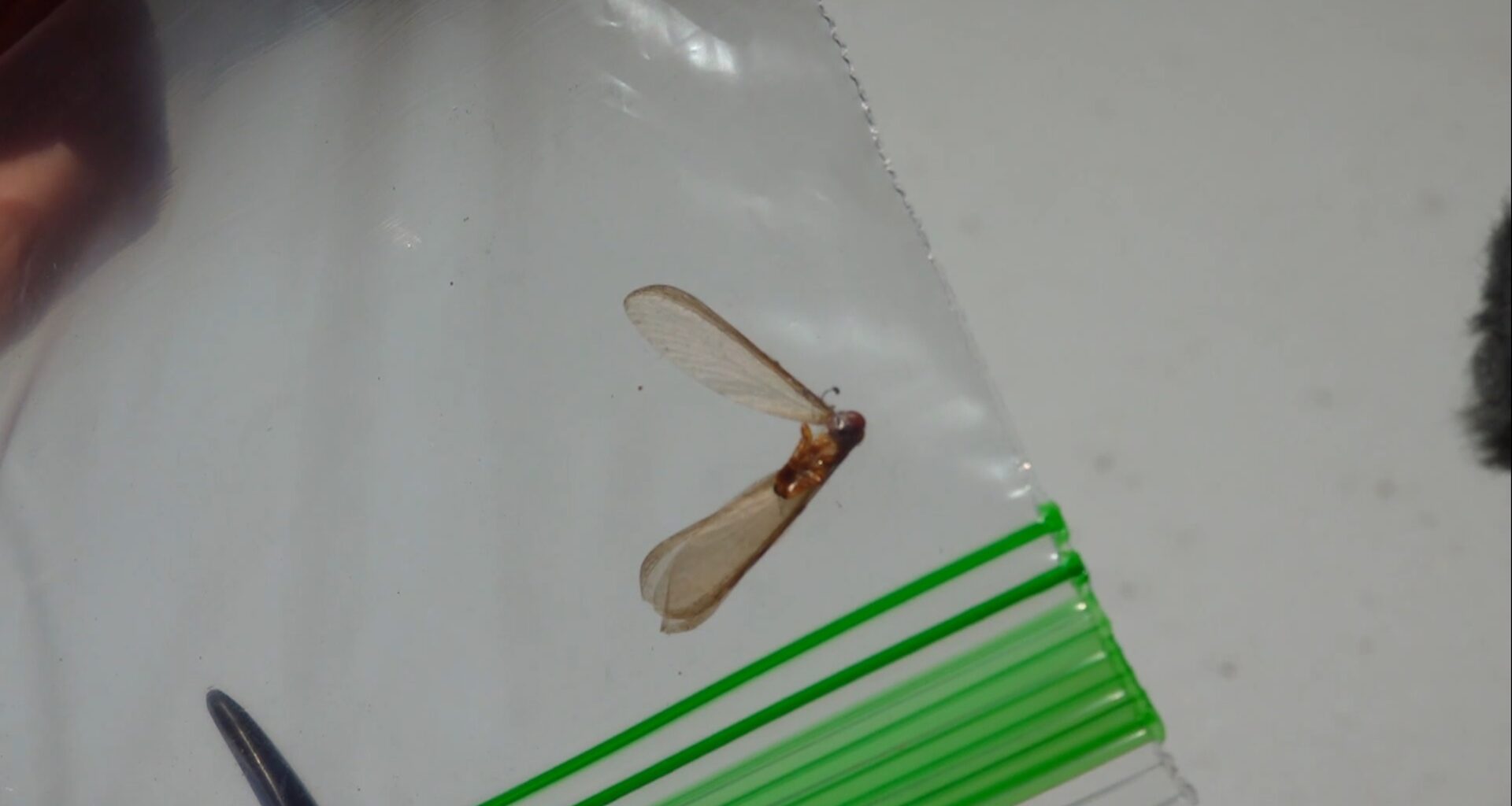
Terminix says San Diego’s drywood termites are swarming in bigger numbers this year, and shows how to tell whether you have an infestation.
SAN DIEGO — Termites are swarming across San Diego, and a Terminix manager said this year’s heat and humidity may be contributing to larger swarms.
Jessie Thorsteinson, branch manager for Terminix in San Diego, said her technicians are seeing more swarmers and more reproducers, known as alates, than in previous years.

This story continues below.
More in Science
Termite infestations swarm across San Diego County amid summer heat wave
Veterinarians warn pet owners of rising heat stroke cases amid record temperatures
“There’s more swarmers being released. There’s greater numbers of them being released, and we are getting more of the reproducers out trying just to get out there and make new colonies,” Thorsteinson said.
San Diego has the longest termite season in the country, according to Thorsteinson, with swarms typically occurring for about six months out of the year. She said the recent heat is speeding up termite activity heading into fall.
Drywood vs. subterranean termites
This report focuses on drywood termites, which are more commonly seen above ground, but noted San Diego also has subterranean termites, which live in the ground and require different treatment.
How to tell if you have an infestation
According to Thorsteinson, a winged termite that is fully intact, meaning the body and wings are still attached, has not yet made its way into a structure.
“If you see them laying around the house and they’re all complete, they have not made it into your house yet,” she said.
However, finding only wings without a body is a different story.
“If you do see just the wings laying around, that does mean the swarmer has made it into a piece of wood in or around your home,” Thorsteinson said.
Homeowners can also check for termite droppings, called frass, which resembles small piles of shaved wood. Thorsteinson said the color indicates how recent the activity is.
“The darker colors means it’s been around a little bit longer, so it’s dried out. The lighter colored ones means it is currently active,” she said.
Tapping on wood trim, door frames or fascia boards is another way to check, Thorsteinson said. A crunching sound similar to a potato chip can indicate termite activity inside the wood.
Treatment options
Terminix offers free inspections and says a technician can typically respond within 24 to 48 hours. A 2025 state-commissioned assessment says monitoring is the most reliable way to ensure fumigant concentrations are lethal to termites; Terminix says fumigation starts at around $2,500 depending on the size of the home.”
A note on orange oil
Thorsteinson said orange oil treatments, sometimes marketed as an alternative to fumigation, only treat termites in wood that installers can directly access and inject.
“As inspectors, we can only see about 10% of the house,” she said. “If you do use an orange oil, they’re only going to inject it in the wood that they can see, which means they are treating only 10%. The other 90% is not being touched.”
She said the treatment does not spread through walls or flooring, meaning it’s best suited for structures where all the wood is visible, such as an outdoor gazebo, rather than a fully finished home.
Thorsteinson urged homeowners not to ignore signs of an infestation.
“If you ignore the problem, it’s only going to get worse,” she said.