
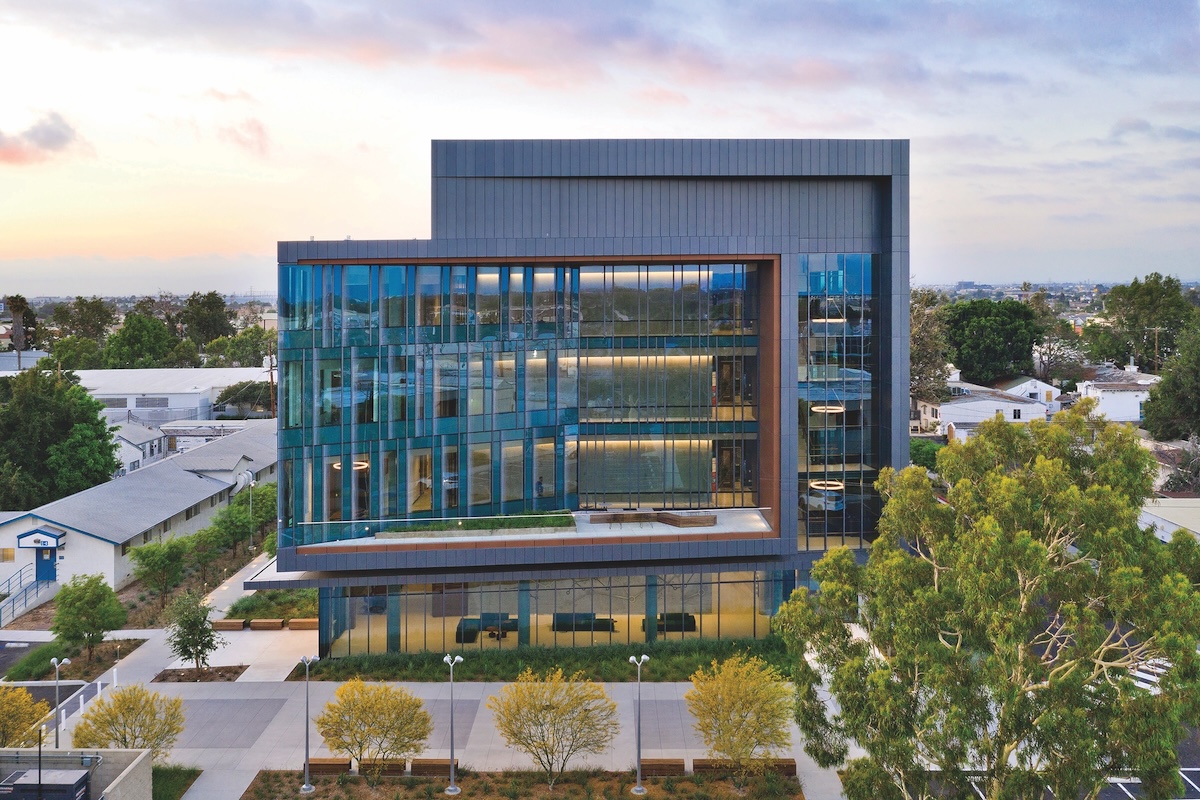
The West Carson-based Lundquist Institute for Biomedical Innovation has been awarded a $9 million grant from the South San Francisco-based California Institute for Regenerative Medicine, better known as the state’s stem cell agency.
The grant, which was awarded last month, is going to two researchers at the Lundquist Institute – Lynda Pomgreen and Christina Wang – to spearhead the launch of a center to provide county residents access to the latest in stem cell and regenerative medicine therapies.
 Christina Wang
The South Los Angeles Community Center of Excellence for Regenerative Medicine, which would be run in partnership with the Los Angeles County Department of Health Services, aims to serve 750,000 patients across county-operated medical centers and clinics. The center will be based at the Lundquist Institute, which sits on the Harbor-UCLA Medical Center campus.
According to the grant announcement, the funds will provide access to these patients to advanced gene and cell-based therapies, along with other regenerative medicine research and therapies. In general, patients at county-run health care facilities have not had much access
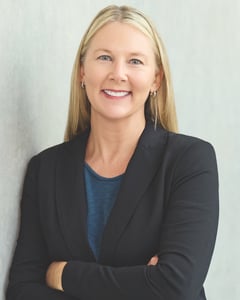 Lynda Polgreen
to these types of therapies that are often still in the clinical trial phase.
“Out-of-reach advanced therapy that have the potential to cure health-debilitating genetic diseases will be available through (this center),” Wang said in the grant award announcement. “Our geographically diverse and functionally isolated community will be informed that participation in clinical trials will lead to new treatments.”
The center will upgrade existing clinical research and pharmacy infrastructure to support the delivery of in vivo gene therapies and, eventually, off-the-shelf cell therapies. Trained patient navigators will be on hand to assist and educate patients as well as arrange transportation and any other personalized assistance necessary.
Through collaboration with a clinical trial network at the California Institute for Regenerative Medicine, the center will connect local patients with clinical trials across the state, ensuring seamless coordination of care and the broadest possible access to promising new therapies.
In addition to improving patient access, this new center will create training and career opportunities in regenerative medicine. This will involve partnering with community colleges, universities and health care organizations to train clinicians, researchers and students through education and mentorship programs.