
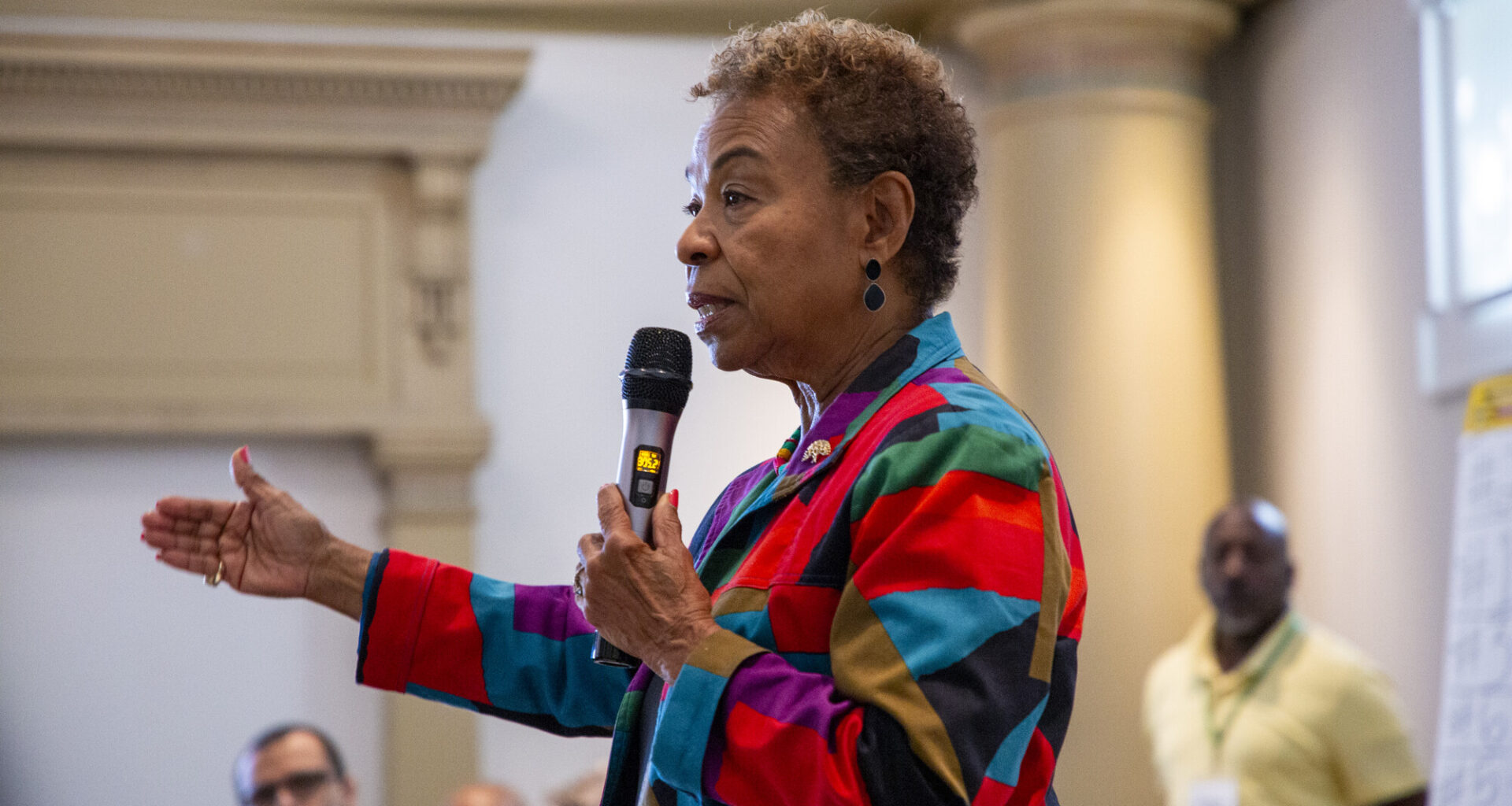
The city’s first civic assembly brings together 40 residents who are developing ideas to address thousands of vacant properties.
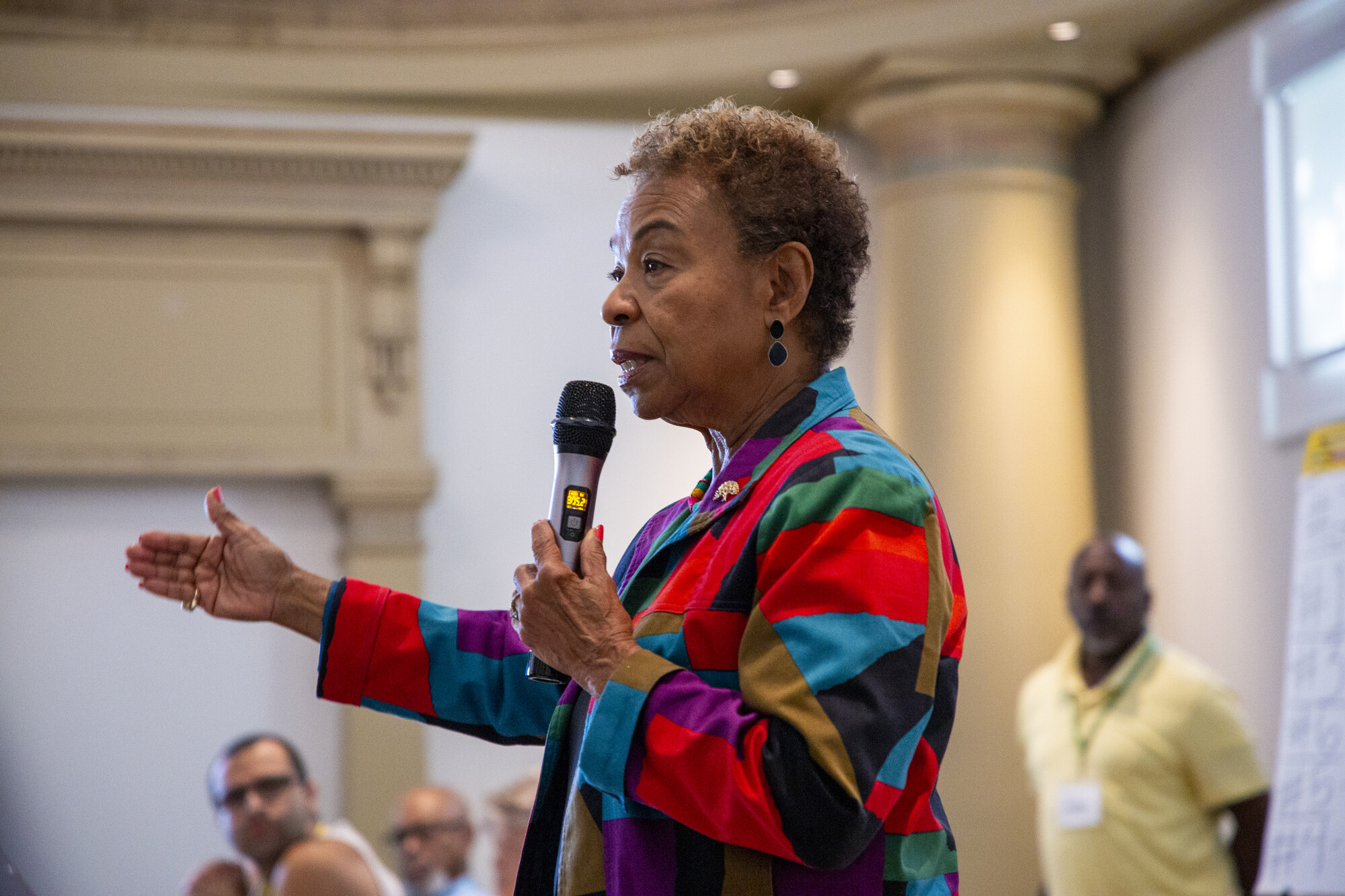
Oakland Mayor Barbara Lee speaks to the delegates of the Oakland Civic Assembly about vacant storefronts at Juntos Fruitvale Cultural Arts Center in Oakland on September 12, 2026. The city’s first civic assembly brings together 40 residents who are developing ideas to address thousands of vacant properties. (Tâm Vũ/KQED)
Thousands of vacant lots – storefronts, larger commercial space, residential spaces, buildings you can’t even tell what they once were – are just sitting there across Oakland. But if forty residents who have the ear of Mayor Barbara Lee get a say, things might change.
The residents were chosen at random to participate in a three-month long process in which they get together to formulate their own solutions to the problem.
On Saturday, they were guided by a question that followed them around their meeting at Juntos Fruitvale Cultural Arts Center, room to room: “How do we transform vacant lots and commercial retail spaces to be sites of flourishing and resilience?”
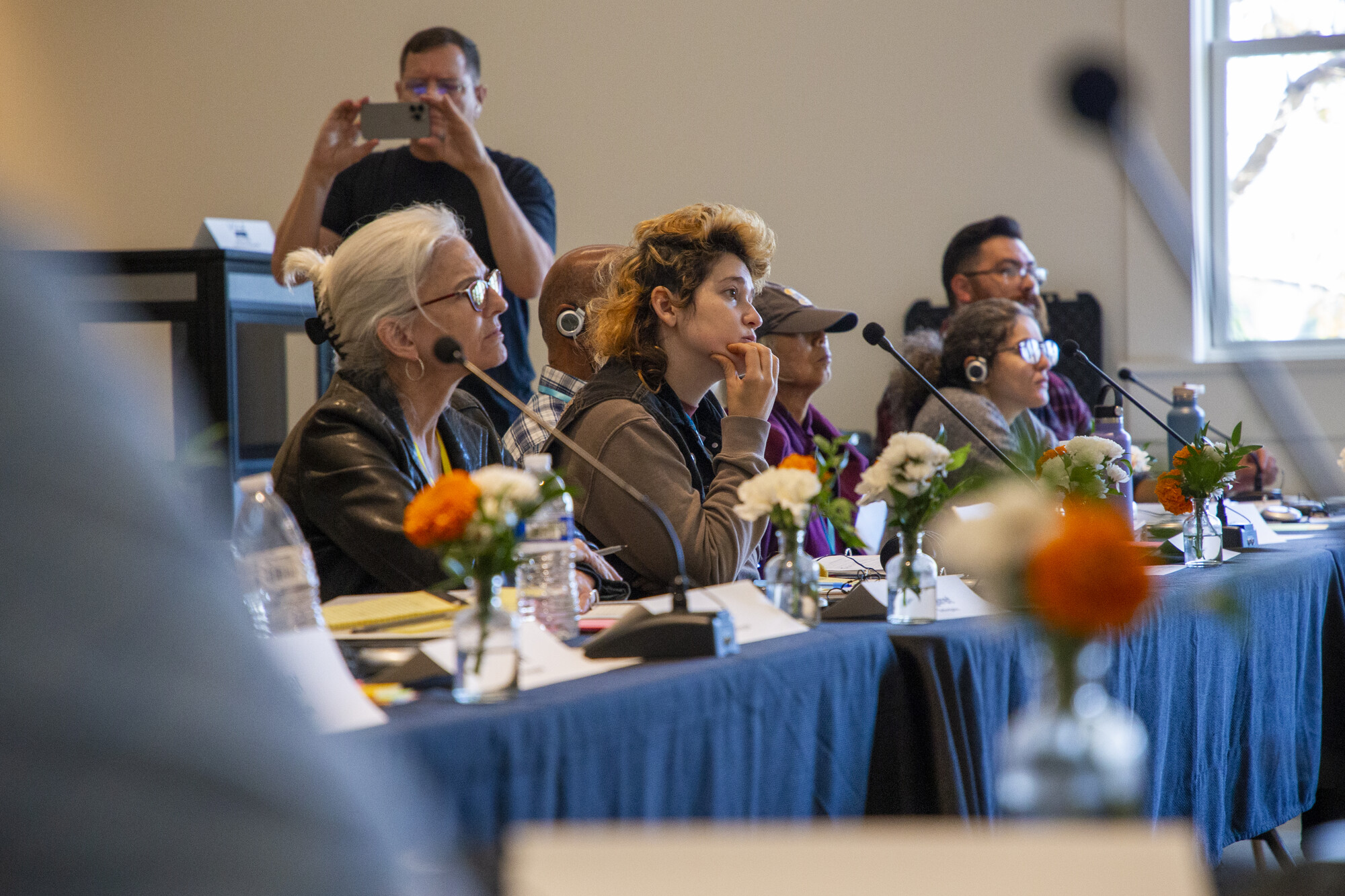 Delegates of the Oakland Civic Assembly listen to Mayor Barbara Lee at Juntos Fruitvale Cultural Arts Center in Oakland on September 12, 2026. (Tâm Vũ/KQED)
Participants drew on expert advice from panel guests and broke out in smaller groups to refine their ideas.
Lee spoke to them for a portion of the meeting, fielding a handful of questions from groups. Residents wanted to know in what ways their suggestions would be prioritized and how they would be paid for.
Lee said she doesn’t know how proposals would be funded and didn’t make any commitments aside from future formal consideration.
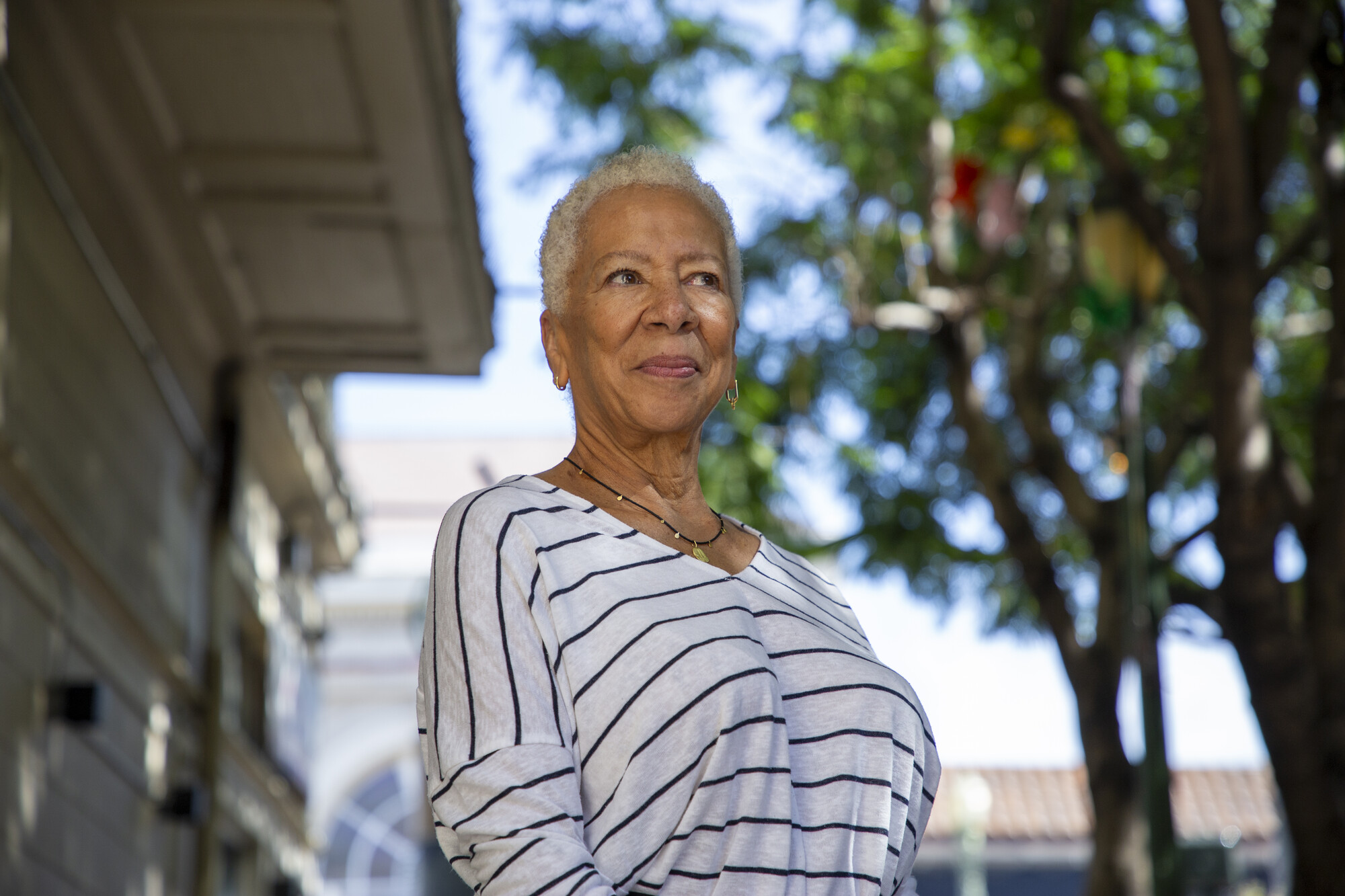 Angela Glover Blackwell, founder of PolicyLink which sponsors the Oakland Civic Assembly, poses for a portrait outside Juntos Fruitvale Cultural Arts Center in Oakland on September 12, 2026. (Tâm Vũ/KQED)
“I hope that we will see a visible response to what comes out,” Angela Glover Blackwell, founder of PolicyLink and professor at the UC Berkeley Goldman School of Public Policy, sponsors of the assembly, said. “But for me hope is not a wish, hope is a discipline. It is the discipline of doing the work to find out what are the problems, using the data to figure out who’s being impacted.”
Around 3,500 properties are vacant in the city, and a recent city auditor’s report showed that 3,200 properties were likely vacant in fiscal year 2025-26.
Glover Blackwell said she especially notices the amount of neglect in communities like East and West Oakland compared to more affluent areas of the city.
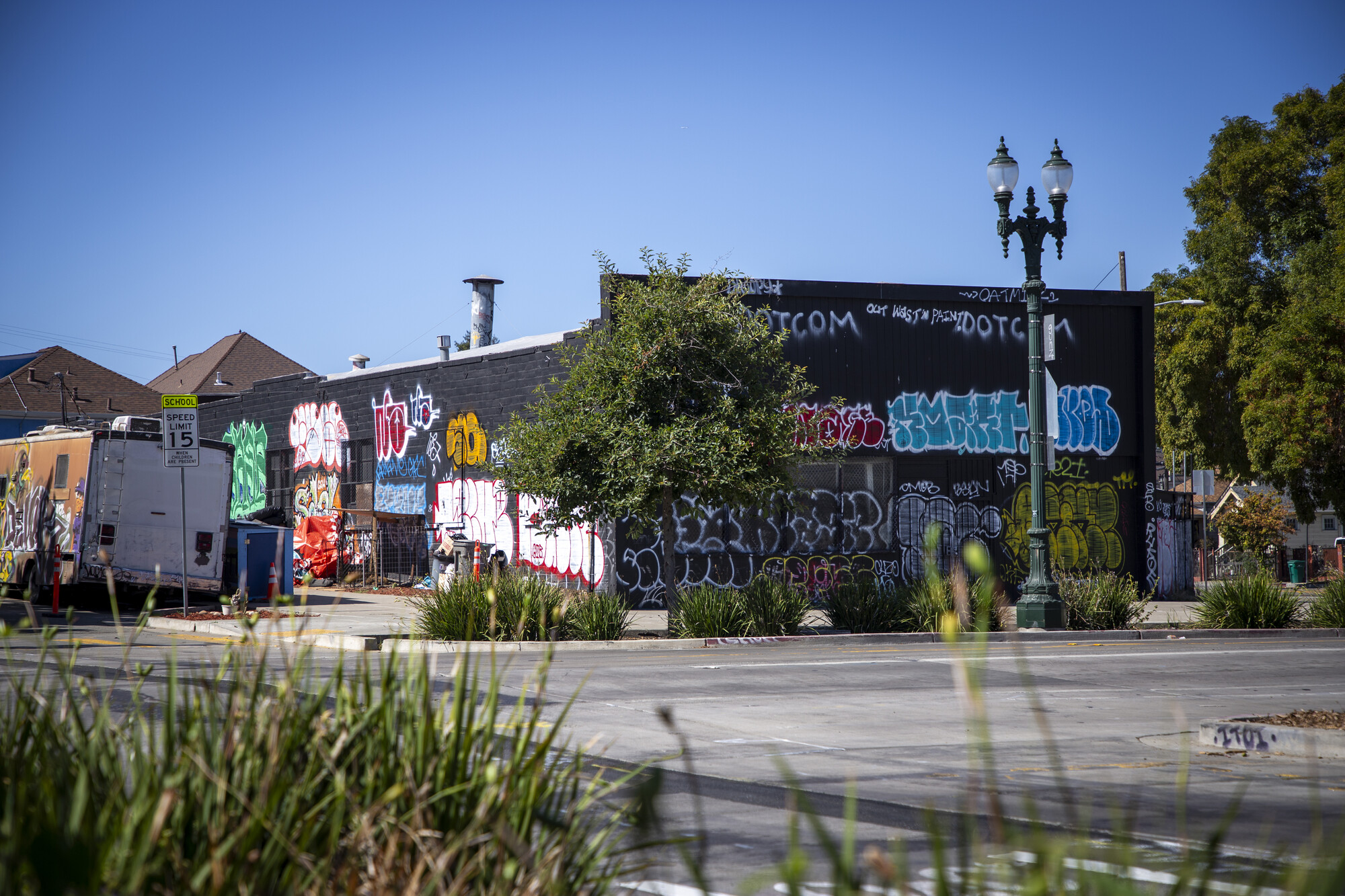 An empty storefront at 1407 Foothill Boulevard in Oakland on September 12, 2026. (Tâm Vũ/KQED)
The decision isn’t entirely up to Lee, as she told participants, since any budget she submits would need approval from City Council members.
The assembly is still working on exactly what the proposals they submit will be.
After the final week of deliberations in October, members are expected to present their group-accepted proposals to officials.