
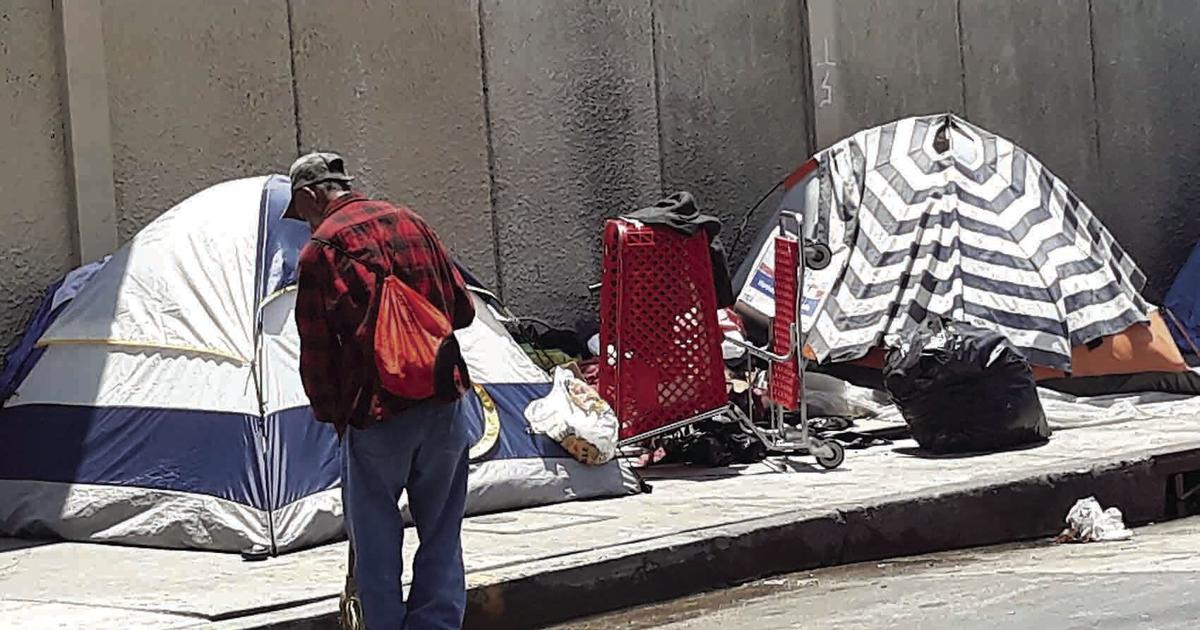
I’m a homeless advocate, calling for recovery, accountability and faith-based reform in California’s approach for funding homelessness.
As California continues to struggle with rising homelessness, despite record funding and new housing initiatives, I have consistently challenged the dominant approach known as Housing First. I have lived experience with homelessness, which has shaped my belief that California’s current model is fundamentally flawed. I argue that Housing First, a policy that prioritizes providing permanent housing without requiring sobriety, treatment or participation in services, fails to address the deeper causes of chronic homelessness.
The crisis isn’t just about a lack of housing; it’s about addiction, mental illness, trauma and the loss of accountability that once defined recovery-based programs. I have never published a single comprehensive policy to replace Housing First; however, my public statements and advocacy paint a clear picture of the alternative. I envision a “treatment-first” approach rooted in structure, accountability, and recovery.
The Housing First Debate
The Housing First model gained momentum in California more than a decade ago, built on the premise that people need stable housing before they can effectively address other challenges such as substance abuse or mental illness. Supported by billions of dollars in state and federal funds, the policy has become the foundation for most homelessness programs across the state.
However, I’ve criticized that Housing First has lowered expectations and removed incentives for recovery, particularly for those struggling with addiction. Without requirements for sobriety or engagement in treatment, I argue, the system ends up warehousing people rather than helping them rebuild their lives.
Treatment Before Housing
I advocate for a “treatment-first” or a “shelter-first” model, which emphasizes temporary shelter combined with mandatory participation in recovery or mental health programs. Under this approach, individuals would receive immediate safety and stability through shelter, but permanent housing would come only after people show progress in treatment and sobriety.
I look at models from past decades, when transitional and sober-living programs helped individuals progress through structured stages of recovery. Those systems demanded personal responsibility and offered mentorship, something that today’s programs have lost.
Rebuilding Transitional Housing
I have repeatedly called attention to the decline of transitional housing units in California, which I believe has left a major gap in the state’s recovery network. Transitional housing once served as a bridge between homelessness and independence, providing support, structure, and accountability. Reinvesting in such programs would restore a critical pathway for individuals working to rebuild their lives.
Accountability and Oversight
Transparency and accountability are major themes throughout my advocacy. I’ve become frustrated with what I see as poor oversight of the billions of public dollars funneled into homelessness programs. I support establishing independent review boards or task forces to track how funds are spent and to measure program outcomes beyond housing placements, focusing instead on long-term stability, recovery, and employment.
Tailoring Solutions to Different Populations
I also argue that policymakers must distinguish between different groups within the homeless population. I separate individuals who are temporarily homeless, often due to financial hardship, from those who are chronically homeless and struggling with addiction or untreated mental illness. I believe a one-size-fits-all strategy like Housing First can’t meet the needs of both groups and ultimately fails those most in crisis.
From Skid Row to Advocacy
Personally, my advocacy is shaped by my life and journey. Years ago, I was living on the streets of Oxnard and before on Skid Row in Los Angeles. Addicted and without hope, my life began to change only when I entered treatment and found faith. That transformation drives my passion today. I now volunteer with local churches, recovery programs, and outreach efforts to help others find the same second chance. I’m very outspoken, sometimes controversial, but always direct. I pride myself by being consistent through my lasting recovery, that begins with accountability and treatment, not entitlement.
A Different Vision
As California continues to grapple with homelessness, I view a growing tension between compassion and accountability in public policy. I propose that a “treatment-first” model challenges leaders to rethink what success looks like, not just housing units built, but lives restored. Whether policymakers will embrace this shift remains to be seen, but my dedication towards real changes in the lives of those who struggle with life’s pitfalls is what drives me. This mission is personal, and the message is simple: solving homelessness means healing people first.
Final Thoughts
I believe you can’t build recovery on top of addiction. If someone isn’t ready or willing to get clean, housing alone won’t change their life. We’ve spent billions of dollars, but we’re not seeing people getting better. We’re just putting a roof over the same problems. We need to give people a place to start healing, not just a room key. Recovery has to come first. People need steps, not shortcuts.
We’ve taken away the middle ground that used to help people move forward. If the system really worked, we’d see fewer tents every year. Instead, we’re spending more and getting less. We’re treating everyone the same, but they’re not all the same. Some people need rental assistance and jobs. Others need rehab and tough love.
God took me from Skid Row to the front row. I like to quote Philippians 4:13: “I can do all things through Christ who strengthens me.”
I’m not against housing. I’m for helping people change so they can keep their homes. That’s the difference. I’m living proof that with God, accountability, and recovery, people can change.
About the Author
Lang Martinez is a homelessness and recovery advocate based in Ventura, California. A former addict and survivor of homelessness, he now works with faith-based and community organizations to promote accountability and recovery-focused solutions across California.