
California often speaks in ambitious terms about climate resilience, clean energy, and sustainable water management. Turning those goals into workable solutions is proving more difficult, particularly in regions where water supply has become increasingly uncertain.
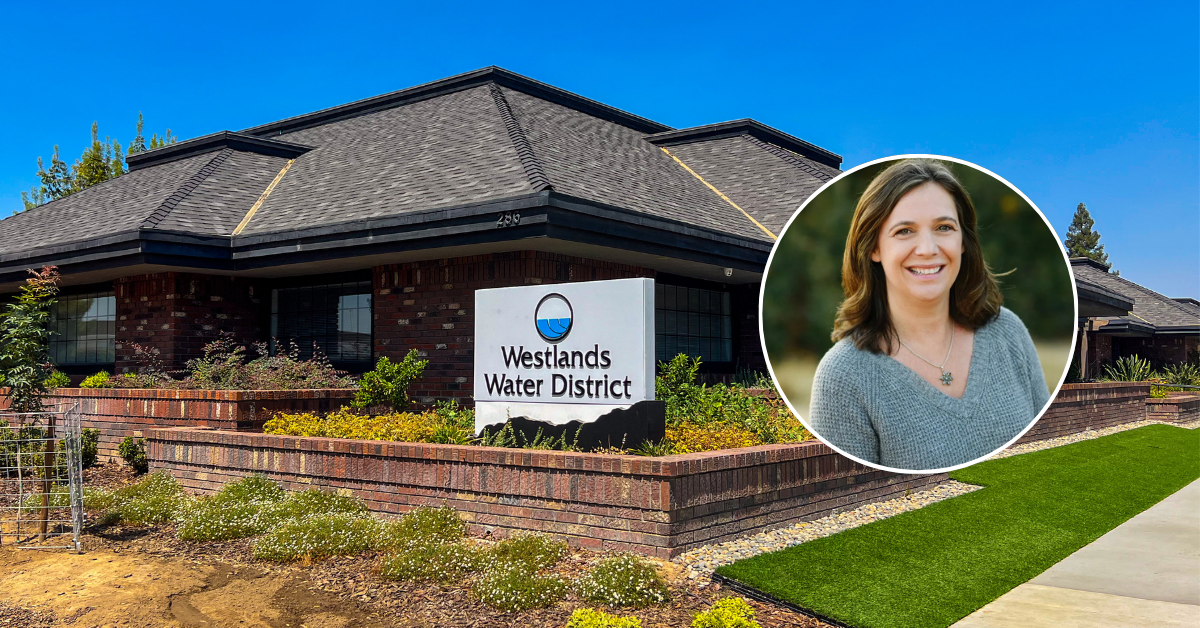
On the west side of the San Joaquin Valley, Westlands Water District is going beyond simply navigating these challenges. We are developing solutions for our communities, farmers, and economy. It turns out, these are the integrated solutions California needs.
“Weather whiplash” – rapid swings from drought to flood – combined with rigid regulatory constraints make it harder for farmers to plan from season to season. In the last decade, federal water allocations have averaged only a fraction of what was promised, forcing difficult decisions, including fallowing land that once produced food for the nation.
These conditions reflect broader challenges facing California’s water management system and underscore the need for solutions that are both practical and durable. Standing still is not an option, which is why Westlands is focused on addressing immediate challenges while advancing statewide priorities.
One area of progress has been groundwater sustainability. Westlands growers have recently put nearly 500,000 acre-feet of water back into underground aquifers – banking supplies for future dry years and advancing the goals of the Sustainable Groundwater Management Act (SGMA). Westlands supports SGMA because sustainable groundwater management is essential to California’s future. But implementation alone is not enough. Long-term success requires consistent enforcement and accountability statewide so that all regions contribute equally to achieving sustainability.
At the same time, we are investing in protecting critical infrastructure by addressing land subsidence that threatens the canals moving water across the state. Protecting these facilities is not simply a local concern, it is essential to maintaining California’s broader water delivery system.
Reduced water availability is also changing how land can be used – and we’re turning that shift into opportunity. Rather than leave fallowed acreage idle, we are putting it to work. The Valley Clean Infrastructure Plan (VCIP) enables solar energy, battery storage, and transmission infrastructure to be developed on drainage-impaired, subsidence prone, and fallowed lands: acreage that is difficult to farm but ideally suited for generating clean power.
When fully built, VCIP could deliver up to 20 gigawatts of renewable energy – enough to power the equivalent of nine million homes. It would help California meet its ambitious clean energy goals, reduce pressure on scarce water resources, and create sustainable economic activity for rural communities that can no longer depend on water-intensive agriculture alone.
VCIP is not a replacement for agriculture. It is a proof of concept: that California can advance clean energy production, water sustainability, and rural economic vitality together – rather than trading one priority against another.
What makes VCIP possible is a willingness to reject the silos that define too much of California’s climate strategy. Water policy, land-use planning, energy development, and environmental management are deeply interconnected, yet too often they are pursued independently. The result is a system that struggles to balance competing priorities and misses opportunities to advance multiple goals at once.
As California prepares to elect a new Governor and new federal and state leaders this November, there is an opportunity to elevate water management as a defining issue for California’s future. The next generation of leadership will inherit a system facing increasing pressure from climate variability, aging infrastructure, groundwater sustainability requirements, and growing demands on limited supplies.
California has set ambitious goals for climate resilience, clean energy, and water sustainability. Achieving them will require practical solutions that recognize both the environmental need for healthy ecosystems and the human need for reliable water supplies, food production, affordable energy, and thriving communities.
The challenge before us is not defining the goals. It is aligning policies, agencies, and investments to achieve them. At Westlands, we are not waiting for solutions – we are creating them. We look forward to working with California’s leaders to build a more resilient future that serves our environment, our communities, and generations to come.