
California officials say expanded public-charge rules could affect immigrant families, healthcare and schools.
Sep 14, 2026
Updated 2:40 pm PT
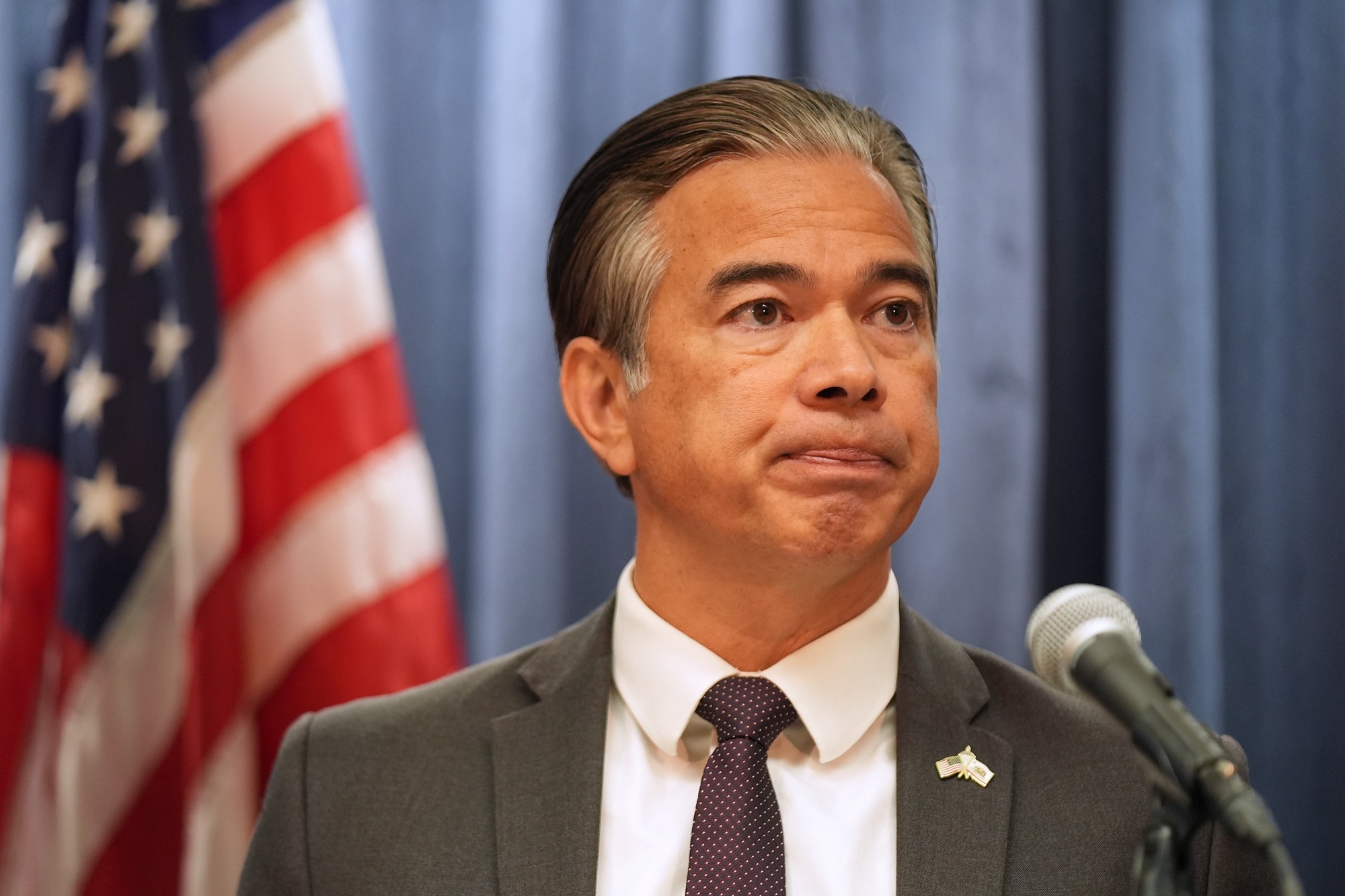
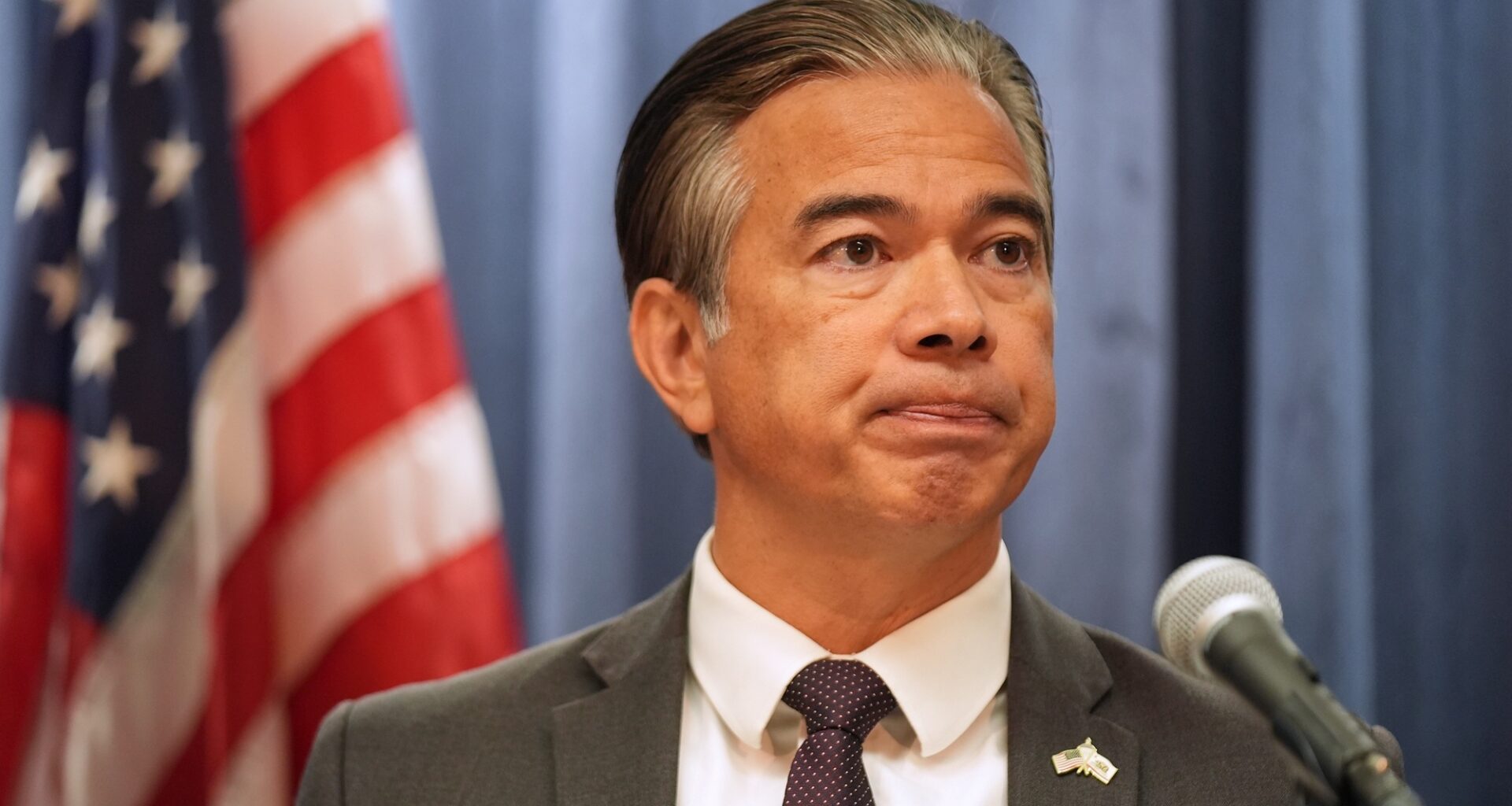
California Attorney General Rob Bonta during a Sept. 8, 2025, news conference. On Monday, Bonta and other state officials announced a lawsuit against the Trump administration over immigration policy. (Damian Dovarganes/AP Photo)
California and Bay Area counties sued the Trump administration Monday over its latest attempt to restrict immigration by expanding the ability of enforcement agents to deny entry into the U.S. based on wealth.
Companion lawsuits filed in New York federal court Monday by a nationwide coalition of state and local law enforcement officials allege that a rule change set to take effect Friday would unlawfully upend years of immigration policy, and could have reverberating negative effects on local medical systems, schools and economies.
“This is a cruel policy designed to force immigrant families to forgo healthcare and food assistance programs out of fear that using them could jeopardize their immigration status,” California Attorney General Rob Bonta said, announcing the suits alongside San Francisco City Attorney David Chiu and Santa Clara County Counsel Tony LoPresti. “The Trump administration cannot take this unlawful action.”
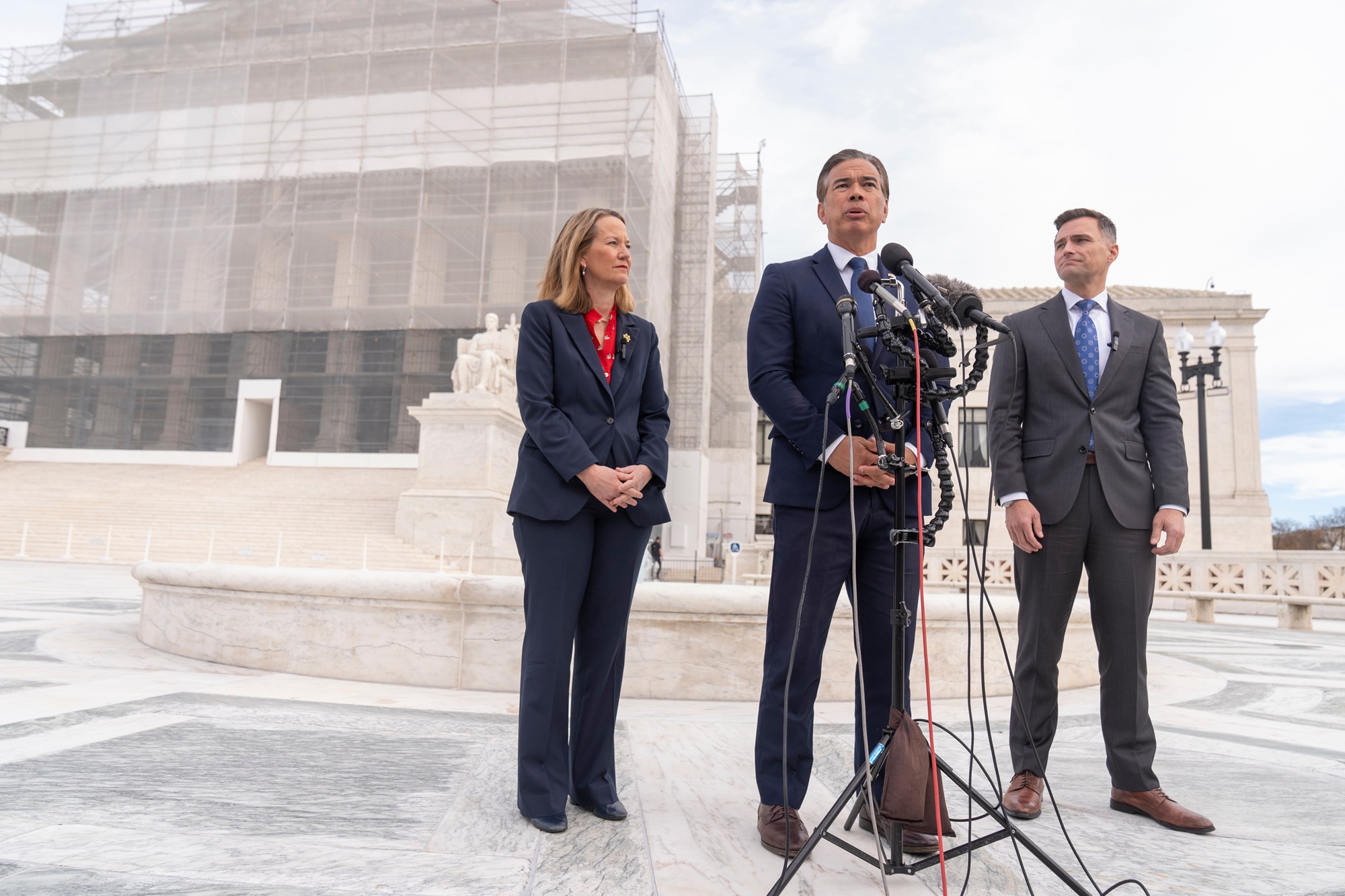 California Attorney General Rob Bonta speaks to reporters as Arizona Attorney General Kris Mayes, left, and Oregon Attorney General Dan Rayfield, right, listen outside the Supreme Court in Washington, D.C., on Nov. 5, 2025. (Mark Schiefelbein/AP Photo)
The lawsuits challenge the Department of Homeland Security’s expansion of whom it deems a “public charge,” a term used to describe a noncitizen who relies primarily on government benefits. U.S. immigration law allows the government to deny a visa or green card based on that policy.
In public charge determinations historically, DHS has been able to consider only cash-assistance programs and long-term institutional care through Medi-Cal. Under the new “public charge” rule issued in July, however, they’ll also be able to account for income-based benefits, like Medicaid, food and housing assistance, and free and reduced-price school lunch programs.
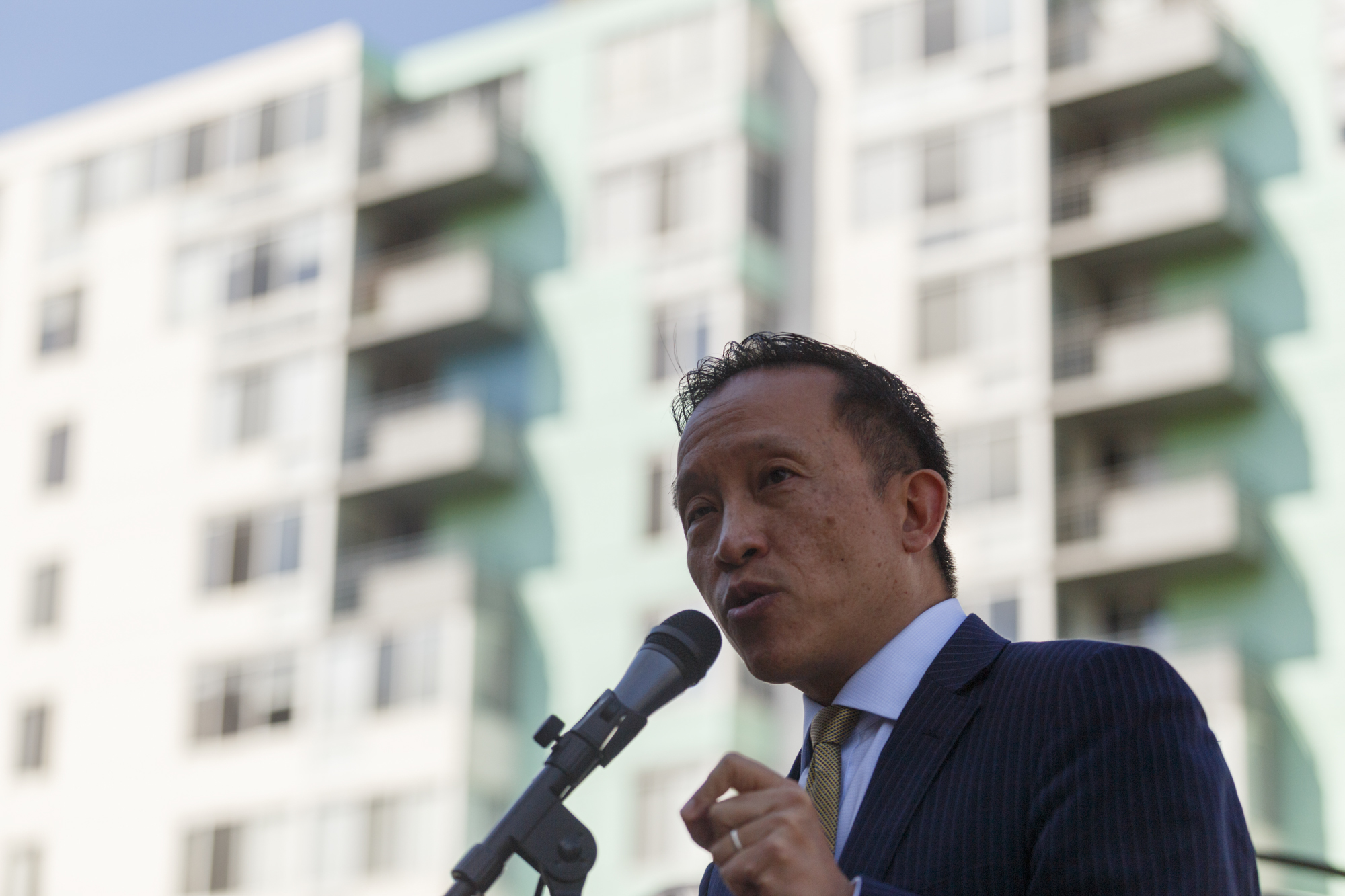 City Attorney David Chiu speaks during a press conference at the parking lot on 3rd and Harrison streets in San Francisco on May 11, 2026, to commemorate the 140th anniversary of the landmark Supreme Court case Yick Wo v. Hopkins. (Juliana Yamada for KQED)
If thousands leave Medi-Cal, SNAP and CalFresh programs, it could cost San Francisco millions in federal reimbursements alone, Chiu said Monday.
“This rule will strain San Francisco’s Human Services Agency, our Department of Public Health, Disability and Aging Services, and other city departments who serve our most vulnerable,” Chiu said. “We are asking the court to vacate this rule, to permanently block its enforcement, and to affirm what the law has long made clear.
“San Francisco will always welcome immigrants from every corner of the world,” he continued. “We will always defend their right to live here safely, with dignity, and without fear.”
KQED’s Julie Small contributed to this report.