
UC Berkeley researchers were awarded the 2026 Ig Nobel Prize — a parody Nobel Prize — for research showing that “upper-class” individuals practice more unethical behaviors than “lower-class” individuals, including taking candy meant for children or cutting off pedestrians in traffic.
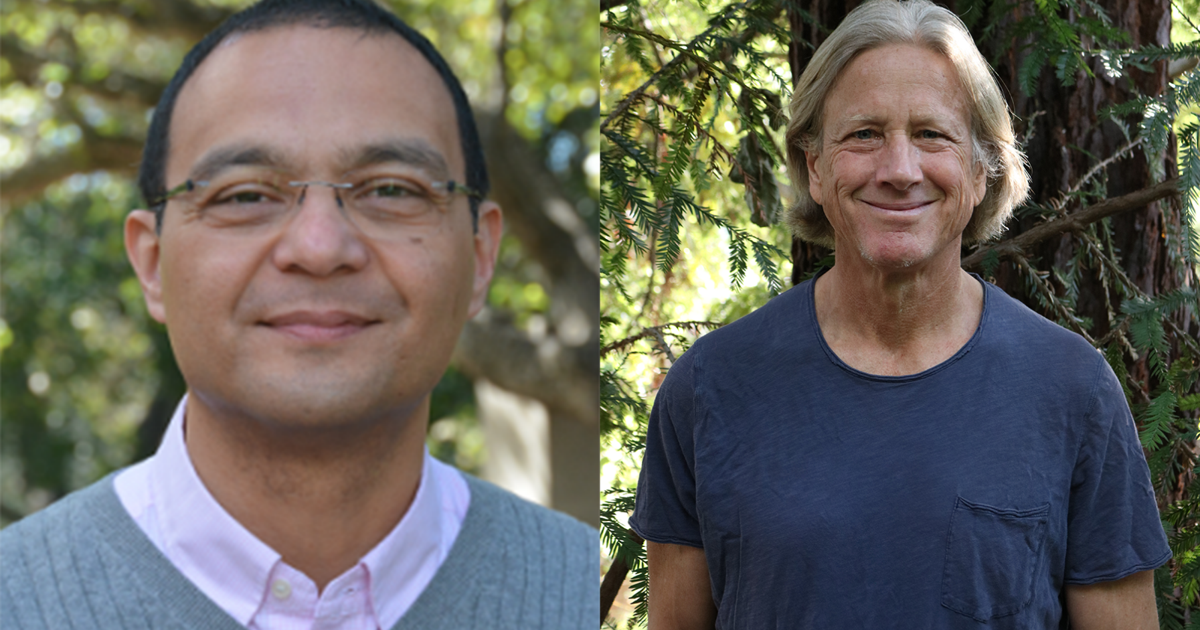
UC Berkeley professors Rodolfo Mendoza-Denton and Dacher Keltner are among a group of five awardees that conducted the research, alongside UC Irvine associate professor Paul K. Piff, Snowflake AI researcher Daniel Stancato and University of Toronto professor Stéphane Côté.
The Ig Nobel Prize is a satirical award that plays off the word ignoble — meaning dishonorable or lower in status. It honors achievements that “make people laugh, then think,” according to the Improbable Research website. As the company behind the prize, Improbable Research has awarded it annually since 1991 in multiple fields, including economics.
In their 2012 paper, the researchers found that, across seven studies, upper-class individuals behaved “more unethically than lower-class individuals.”
One of the group’s studies found that upper-class participants were more likely to take candy out of a stash meant to be for children than lower-class participants.
They also found that upper-class drivers were more likely to make illegal driving maneuvers. At a four-way stop sign intersection, drivers with higher-end vehicles were more likely to cut off other vehicles instead of waiting their turn; when observers positioned themselves at a pedestrian crosswalk, upper-class drivers were least likely to yield to the pedestrians.
“People who were driving fancier cars were more likely to cut off pedestrians and cut off other drivers,” Mendoza-Denton said. “The (study) that really caught the attention of the Ig Nobel Prize was that (upper-class) people took more (of the) candy that was meant for children than (lower-class people).”
Additionally, another study had participants read ethical scenarios and report the likelihood of engaging in similar behavior. The study found the upper-class individuals were more likely to act unethically.
One of the reasons for this disparity in behavior, the report suggests, is that people from upper-class backgrounds may be inclined to act unethically because “greater resources, freedom, and independence” give rise to “self-focused socialcognitive tendencies.”
“We are thinking about shifting criminal justice so that it isn’t biased against the poor. All of this, in some sense, begins with the blindness that we have as society to the unethical troubles that the privileged people get us into,” Keltner said. “We need safeguards against the privileged and the powerful because they lead us astray time and time again.”
Keltner said he loves the “spirit of the award.” He said that while the findings “may not be the revolutionary theory that gets a Nobel Prize,” they make people think more closely about “regulating the abuses of class and privilege.”