
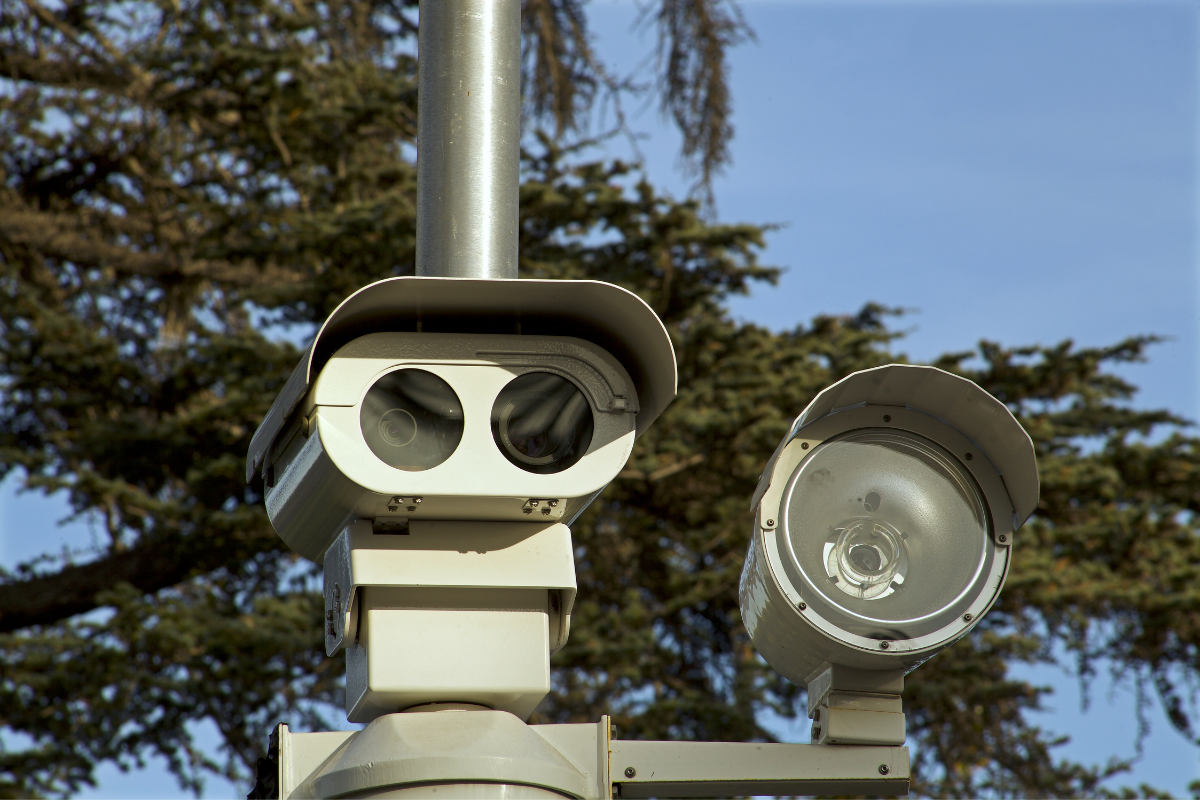
Elliott Cowand Jr via Shutterstock.
Drivers in Long Beach are about to have a new reason to pay attention to their speedometers. Crews have begun installing a network of automated speed cameras across the city, bringing a new form of speed enforcement to some of Long Beach’s busiest and most dangerous streets.
The city is installing 18 cameras as part of a five-year pilot program authorized by California law. The devices are being placed in areas with a history of serious crashes, school zones and locations where street racing has been documented.
Where the cameras are going
The 18 devices are divided between different types of high-risk locations. About half are being installed on streets where deadly or severe crashes have occurred most frequently, while the others are being placed in school zones or areas with documented street-racing problems.
The city’s official page includes an interactive map of the camera locations, allowing drivers to see where the devices are operating and the hours when enforcement applies. The cameras are triggered when a vehicle is traveling 11 mph or more above the posted speed limit. They photograph the rear license plate rather than the driver’s face, as facial-recognition technology is prohibited under the state law governing the program.
How much could a ticket cost?
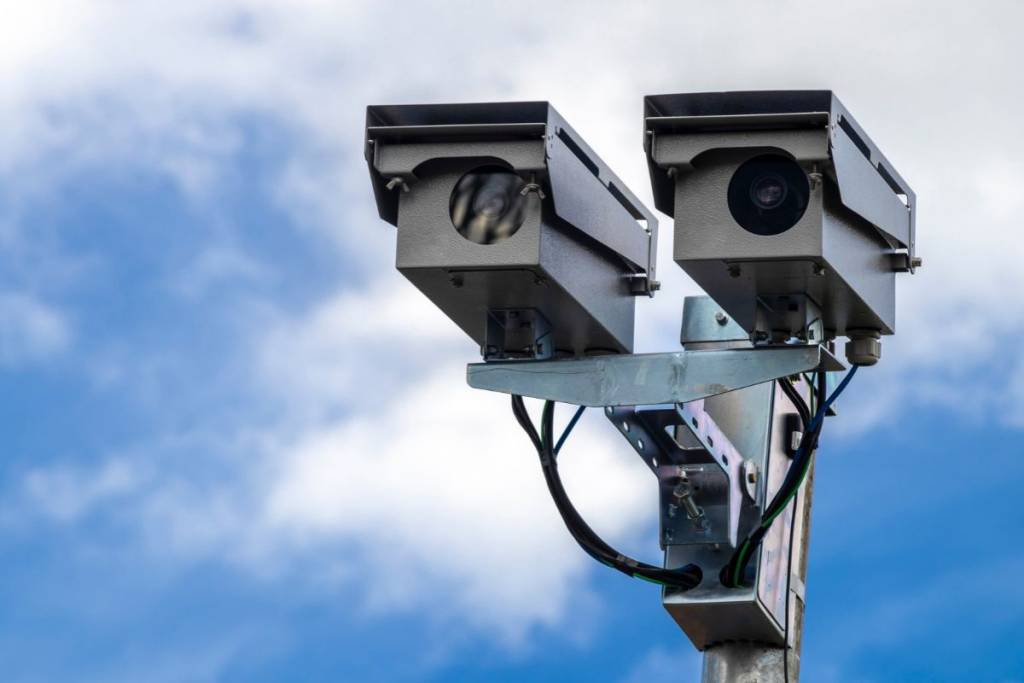 Credit: Alf Ribeiro via Shutterstock.
According to the City of Long Beach, once the citation period begins, the penalties will depend on how far above the speed limit a driver was traveling:
11–15 mph over: $50
16–25 mph over: $100
26+ mph over: $200
100+ mph over: $500
There is also an additional warning built into the program. During the initial 60-day warning period, violations result only in warnings. After that period, a driver who has not previously received a warning will still receive a warning for their first violation of 11–15 mph over the limit.
Long Beach is one of only six California jurisdictions authorized to operate these automated speed-safety systems under the current state pilot program. The pilot is scheduled to run through the end of 2031.