
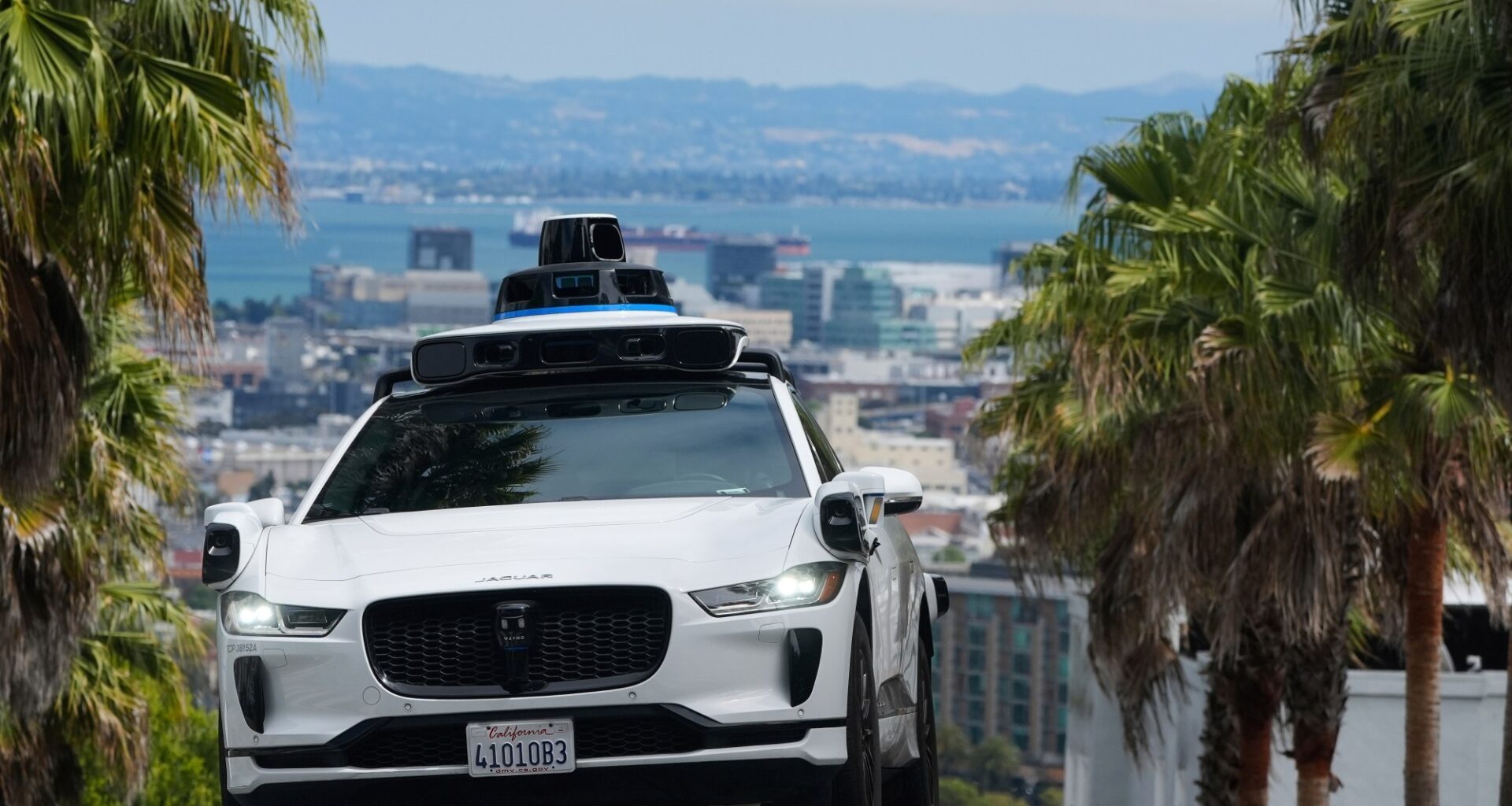
During a recent workday at my downtown office, I took my first Waymo ride. It was easy to arrange, the cabin was clean and I felt safe. The trip was a pleasure. What stayed with me was the sense of control I had as a passenger.
I could choose the music and temperature, or simply enjoy the quiet, without negotiating another person’s preferences. In a vehicle with no driver, I had more control over the experience of getting somewhere.
There is a small dignity in traveling on your own terms. A few quiet minutes after a difficult day can make a necessary trip easier. Those ordinary comforts deserve consideration when officials decide which transportation choices to allow.
That is why I oppose the San Diego City Council’s Sept. 14 call to exclude autonomous vehicles from the airport, part of a resolution passed 8-0 that urges greater local control. Its supporters spoke about protecting the public. Passengers’ freedom to choose belongs in that definition of protection.
Transportation policy reaches beyond a council agenda. It concerns the appointment someone cannot miss and the ride home after an exhausting shift. When officials speak about giving San Diego a say, they should include the people deciding how to get around it.
Councilmember Sean Elo-Rivera warned against making San Diego a corporate “testing ground.” Yet Waymo’s arrival comes within an existing state regulatory system. The Department of Motor Vehicles oversees testing and deployment permits; the California Public Utilities Commission authorizes passenger service. Those approvals carry responsibilities that government should enforce.
Waymo’s published analysis through March 2026 reports 82% fewer crashes with reported injuries than human benchmarks on surface streets in its measured markets. These company-published findings from other cities require independent scrutiny and local evidence. A serious safety debate should examine comparative performance alongside failures that attract headlines.
The council owes residents a clear explanation of how excluding robotaxis from the airport would make their journeys safer. A vehicle blocking an intersection calls for a prompt response and accountability for the operator. Broader restrictions should be justified by evidence that they would reduce harm enough to warrant taking a transportation option away.
Each operator should demonstrate its performance, with restrictions tied to documented risks. Companies with different technologies and records deserve separate assessments. Passenger autonomy also requires clear protections for recordings from onboard cameras, including transparency about their use.
Protecting existing providers from competition is a poor basis for transportation policy. Passengers also have interests, and government should not make their choices subordinate to an industry’s existing business model. Taxi and rideshare operators should earn customers through the quality of their service. Residents deserve the freedom to decide which ride meets their needs.
The proposed airport exclusion would make the destination itself a barrier to choosing this service. A passenger who feels comfortable in a Waymo downtown should have the opportunity to choose that experience for an airport trip. Existing operators’ interest in retaining airport customers supplies no public reason to deny that option.
Granting cities new powers to restrict service risks creating a patchwork of permissions across the region. Passengers should be able to plan a journey without treating municipal boundaries as barriers to a ride. Consistent rules can give operators a basis for serving people wherever an approved service can take them.
Local input should include the people who use these services. Their preferences are also a form of public judgment. When residents choose a new ride and find value in it, city leaders should take that experience seriously. Restricting their options needs a justification that goes beyond defending familiar arrangements.
I stepped out of my first Waymo feeling at ease. For someone else, that feeling might mean the confidence to travel alone or make a trip they would otherwise avoid. San Diego should be a city where a helpful new service gets a fair chance. The freedom to go somewhere and feel comfortable getting there deserves a voice at City Hall.
Korgan, a Chula Vista resident, is a higher education consultant and former chairperson of the Chula Vista Sustainability Commission.