
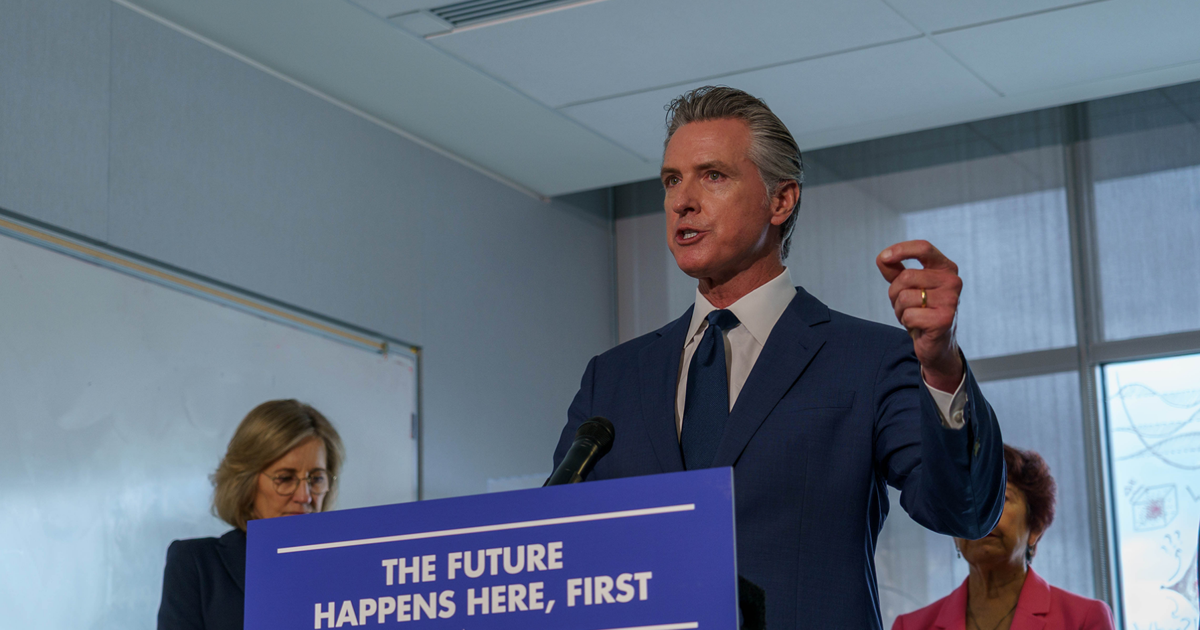
Gov. Gavin Newsom certified the Berkeley Water Transportation Pier Ferry Project, a sweeping rebuild of Berkeley’s crumbling pier, for judicial streamlining under California Senate Bill 149 Sept. 16.
The certification grants the project an expedited timeline for any legal challenges it may face under the California Environmental Quality Act.
According to a statement from Berkeley spokesperson Matthai Chakko, if the project faces a legal challenge under CEQA, SB 149 can provide expedited judicial review within 270 days if feasible, as opposed to the usual three to five years a CEQA challenge may take to be resolved.
The pier project is a partnership between the city of Berkeley and the San Francisco Bay Ferry, also known as the Water Emergency Transportation Authority, or WETA.
“The CEQA judicial streamlining certification is a demonstration of California’s innovative approach to delivering needed infrastructure more expeditiously while protecting resources,” said Samuel Assefa, director of the Governor’s Office of Land Use and Climate Innovation, in a press release.
Berkeley’s ferry project remains in its design and environmental permitting phase, which the city expects to complete in 2027. A Sept. 15 City Council item places the project at 60% design development, with 90% of design documents anticipated to be completed this fall. The city published a draft environmental impact report in February 2026.
The City Council is expected to consider a final report this fall.
The project would replace the Berkeley Pier, which closed in July 2015 because of structural safety issues. The ferry project dates back to 2018, when San Francisco’s WETA began discussions with Berkeley city officials about a possible new ferry service at the Berkeley waterfront.
A structural engineering study identified 11 repair options ranging from $22 million to $65 million. Since the study was completed in 2021, the pier has continued to deteriorate, and structural engineers working on the project have concluded that repair is no longer feasible.
The city began the current design and permitting phase of the project in 2023. That phase includes detailed engineering and environmental studies, preparation of the environmental impact report, public outreach and development of project plans and specifications.
When completed, the replacement project will include a new dual-purpose public pier and a zero-emission electric ferry terminal. At full buildout, according to a press release from the governor’s office, the ferry service will connect Berkeley with the San Francisco and Larkspur ferry terminals.
The project will also entail a broader restructuring of the city’s waterfront. This will include completing work on portions of the San Francisco Bay Trail, rebuilding portions of University Avenue and Seawall Drive with Class IV cycle tracks, new sidewalks and crossings and rebuilding Seawall Parking Lot along with a public plaza, restrooms, picnic areas, benches and drinking fountains.
The city, however, has not yet secured all of the funds for the project. Berkeley’s current estimate pegs the project’s construction cost at approximately $105.8 million. On Sept. 15, the City Council authorized the city manager to apply for up to $25 million through the state Metropolitan Transportation Commission for portions of the project’s land construction.
The next major steps for the project are completing the environmental review and design, obtaining required permits and securing construction funding. Construction on the ferry project cannot begin until it has received a number of environmental and building permits.