
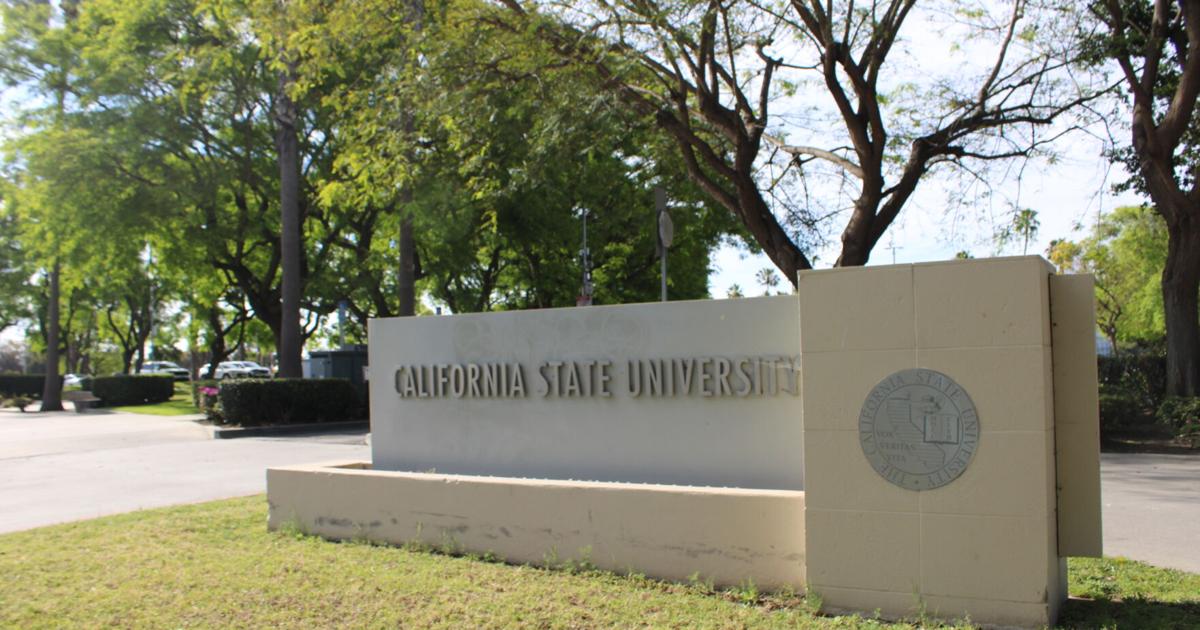
On May 14, the CSU amended its contract with OpenAI, developer of ChatGPT, extending the contract by three years at $13 million annually.
The OpenAI agreement with CSU originally started on Jan. 17, 2025, with a plan to provide the CSU community with opportunities to thoughtfully integrate artificial intelligence into teaching, learning, research and operations across its 22 universities.
Before the initiative, access to AI tools were limited across CSU institutions. With the renewal of the contract, CSU and OpenAI plan to enhance student, faculty and graduates’ preparedness for the growth of AI.
Vice President of Information Technology and Chief Information Officer at Cal State Fullerton, Chris Manriquez, stated that he believes the deal creates a space for campuses to tailor the technology to specific university needs.
“I think it’s a tremendous opportunity because it affords us the ability in academic environments and administrative environments to begin having conversations on how to leverage and utilize the tool, kind of to our best fit,” Manriquez said.
This is the largest partnership that OpenAI has had with a higher education institution. This is also the biggest partnership CSU has with a technology firm compared to deals with other companies such as Adobe, Google and IBM.
The renewal of this partnership comes as the CSU system currently faces $144 million in budget cuts and a deferred 5% funding increase that was planned for the 2025-2026 budget to the 2027-2028 budget, with the promise of one-time back payments.
The CSU has implemented various ways for students, faculty, staff and alumni to learn about how to use AI in their academics, curriculum and to understand AI literacy with informational courses and training, which are listed on the CSU AI Commons website.
According to Matthew Badal, senior director within IT at CSUF, AI literacy is an important part of understanding how students, staff and leaders can work together to be prepared as AI tools continue to grow and dabble in our lives.
Badal also said that learning AI literacy ensures others know how to develop critical thinking and use these tools for data and engagement so that students and staff can feel comfortable using AI.
At CSUF, currently enrolled students and active faculty/staff are provided with an advanced conversational AI tool called TitanGPT.
TitanGPT is an AI tool powered by ChatGPT-5.2 that offers users support for “efficient ways to brainstorm ideas, draft documents, and summarize information,” according to its website.
During the Academic Senate meeting on Sept. 17, Manriquez said following the implementation of ChatGPT Edu, CSUF has started a platform transfer process, moving tools from TitanGPT to ChatGPT Edu. However, he stated that a TitanGPT shutdown is not possible immediately because some areas on campus, such as the Pollak Library, still use the AI and the transition will be gradual.
The Daily Titan reached out to Manriquez regarding these developments, but did not receive a response.
CSU’s initiative with its contract with OpenAI comes from the direct impact AI holds on higher education and the workplace.
In the CSUF Guidelines, the IT website states that the campus “supports the ethical and responsible use of artificial intelligence technologies to enhance work, teaching, learning, research, and campus services.”
“Our goal as an institution is to ensure our students have the relevant knowledge and skills (in AI) to succeed in their chosen field,” wrote Amy Bentley-Smith, director of media relations and public affairs, in an email with the Daily Titan. “We must continue to prepare our students for the future in the face of new technologies.”
`
Faculty members and IT groups are working together to reach a common outcome for the use of AI in education.
In regards to data concerns, the CSU ensures that faculty and staff interactions with AI tools are treated with the same level of care as other university technologies, as it continues to “refine its policies and guidelines to ensure responsible and secure use as technology evolves,” based on the CSU website.
“Those kind of things aren’t instant answers, or instant things that you can roll out, but it does take some work and transformation of either coursework or transformation of delivering applications to have both sides working together collaboratively,” Manriquez said.