
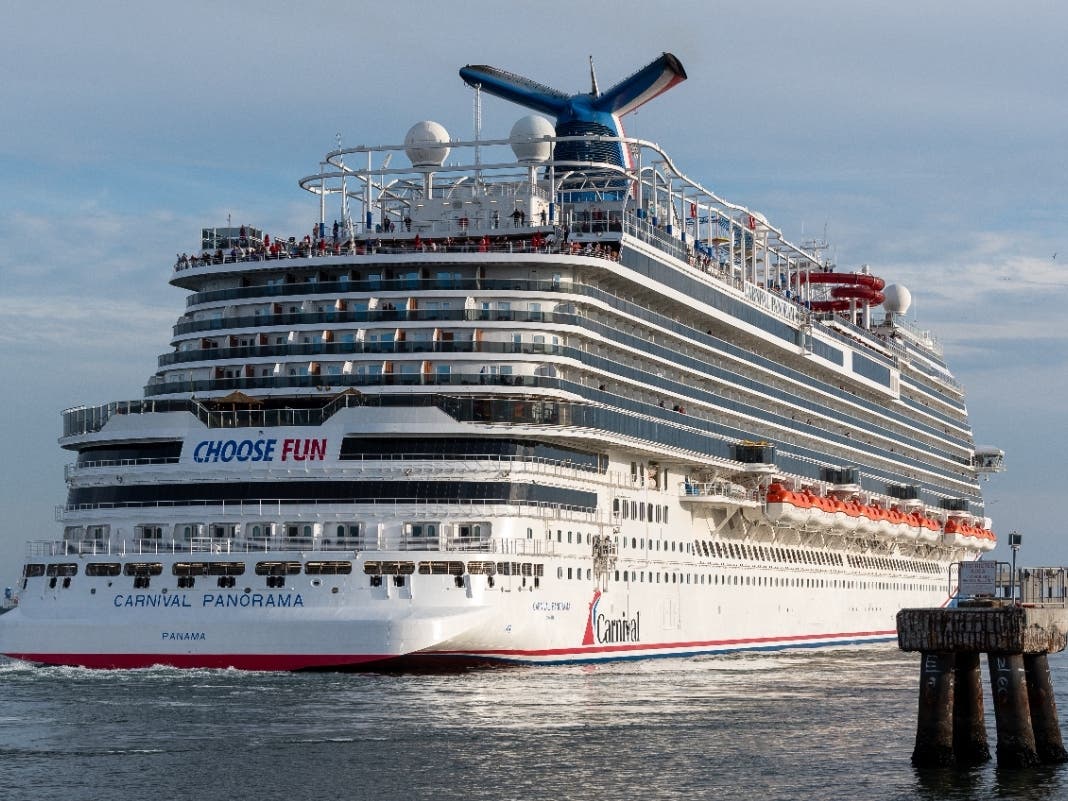
The G.P. Wild study reached an intriguing conclusion about the incidents it examined: Cruise-line representatives reported that every case in which investigators could determine a cause resulted from an intentional or reckless act. In some cases, however, investigators could not establish what happened. Separate academic research provides another glimpse into the circumstances behind deaths at sea.
A 2020 study titled “Death at Sea: Passenger and Crew Mortality on Cruise Ships” examined 623 reported passenger and crew deaths worldwide between 2000 and 2019. Researchers identified 58 passenger deaths and 14 crew deaths from falls overboard. Among passenger falls generally, which also included falls to lower decks, alcohol was identified as a contributing factor in 52% of cases.
SEE ALSO: OC Lawyer Gets Life For Cruise Ship Murder
The researchers also identified 70 passenger suicides. In 55 of those cases, the person jumped overboard. There is no public information suggesting alcohol, an accident, suicide or any other particular circumstance led to Saturday’s incident. Carnival has said the man jumped overboard but has not publicly disclosed why.
A Camera May See It Without Sounding An Alarm
There is another surprising complication. A ship having surveillance cameras does not necessarily mean its crew receives an instantaneous alert when somebody enters the ocean. The 2020 study noted that cameras aboard modern cruise ships may capture someone going overboard without functioning as an automatic alarm. If nobody witnesses the incident, a passenger can first be noticed missing and the surveillance footage reviewed afterward.