
This fall semester, I decided to take a Jane Austen seminar in the English department. While each discussion brings varying opinions on why Austen constructed her narratives the way she did or employed certain literary devices, one thing remains constant: the utmost importance of manners. In every one of her books, manners remain a central theme that shapes the characters’ lives and the story’s progression. This had me reflecting on social etiquette in the 21st century and how we’ve completely lost this part of the plot in our current society, especially on UC Berkeley’s campus.
1. Hogging the sidewalk
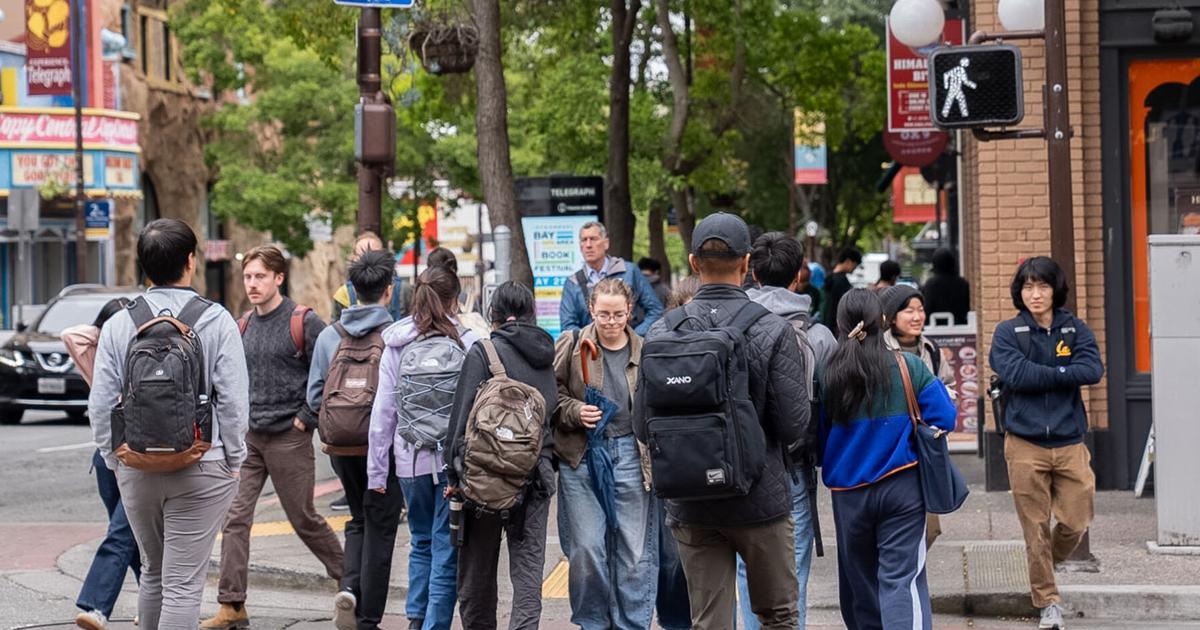
While Berkeley’s campus is beautifully unique, with paved pathways winding through its natural landscape and doubling as shortcuts to class, nothing is more frustrating than encountering two students walking side by side, disregarding the line of people stuck behind them trying to squeeze past. Despite detecting others’ presence, they refuse to move out of the way to relieve passersby from doing an awkward speed-walk trot in order to get ahead.
Rather than giving dirty looks to these passersby who have every right to a fair amount of sidewalk, remember that single-file lines exist! If the path is narrow and you see people approaching or hear footsteps behind you, walk a little ahead or behind your friend for a moment before reassuming your positions. Just because you’re not directly next to them doesn’t mean you can’t effectively carry on a conversation. Additionally, if the sidewalk is wide, choose one side to walk on rather than right in the middle. This curbs potential awkward squeezing-by on both sides and foot traffic can flow smoothly.
2. Talking about plans in front of people who aren’t invited
Despite being a large public university, everyone knows everyone on campus; we’ve all got mutual friends who connect us to wider webs of social groups and people. If you happen to be the mutual friend with certain friends for certain things — such as the friend you go out to Tap Haus with, the friend you spend late nights with cramming at Doe Library, the friend you get Sunday brunch at La Note with — it’s not cool to talk about your separate plans in a setting where your whole group is together. Not only does this make things uncomfortable for the friends you’re not presently talking to, but it’s frankly not classy to be so overly exclusive. One might question whether you’re a genuine friend — not because you didn’t invite them, but because you deliberately excluded them from the conversation instead of choosing a more neutral topic.
With that, steer the conversation toward a topic everyone can speak on or understand. Either extend the invite to your outlying friend or don’t talk about your other plans at all. If you really need to discuss things in person with the friend you’re meeting up with, find a moment when you’re alone or pull them aside to talk in private. This is an easy, effective way of avoiding making anyone feel bad or singled out.
3. Repaying the bill
Picture this scenario: You’ve finished your meal at Imm Thai and the waiter presents you with the check. You forgot to ask them to split it but don’t wave them over again because you know it’ll be a hassle with everyone’s different payment methods and orders. Your gracious friend drops their card into the checkbook, doesn’t mention reimbursement, and your group goes their separate ways. Even though we’re all broke college students who long for free food, you should never mooch off the friend who’s kind enough to foot the bill. It can be easy for them to forget to follow up on being paid back, but honestly, why should they when you’re the one who owes them? What happened to integrity and being principled?
If you weren’t the one who signed the check, take it upon yourself to text the person who did and ask them how much you owe them. Not only does this show you’re proactive, caring and a conscientious, upstanding friend, but it also relieves any awkwardness the person who paid may feel when asking for the payment back. Not all friendships are the same, and sometimes being paid back directly isn’t how your relationship rolls, but overall, make sure things stay fair and honest.
4. Riding the bus
Nothing is more coveted than one of those hard, green seats on the 51B during weeknight rush hour from 5 p.m. to 6 p.m. While the bus may be packed, and you don’t want to be one of the people standing sardined, if there’s an elderly person who gets on, give. up. your. seat. On a similar note, but focusing on the bus’s duo seats, many riders will sit on the one closest to the aisle rather than scoot in to make it easier for another passenger to take the outer seat. And lastly, the most painful to witness, people often don’t wait for everyone to exit the bus before stepping on — I’ve seen so many bus drivers yell at people because of this.
To avoid being the subject of everyone’s secondhand embarrassment, you can make straightforward adjustments. Gesture to your seat and kindly offer it to the elderly person who got on. If many seats are available, go for the interior seat in case the bus fills up. And finally, just be patient. There will 100% be at least one person getting off the bus at each stop, so expect it and save yourself the conflict of accidentally ramming into someone.
5. Introducing your friends to each other
Social hubs such as Sproul Plaza, Telegraph Avenue and lectures of more than 2,000 students surround you are a part of what makes our school’s culture so spirited and communal. It also makes it incredibly easy to run into someone you know while hanging out with someone else. When this happens and your two friends don’t know each other, many middleman friends will spend several minutes chatting with the person they ran into while the friend they were originally with stands there silently, either waiting for the conversation to end or wondering if it’s acceptable to join in.
Instead of facilitating this tension, join UC Berkeley’s inviting, lively and easygoing spirit by introducing your two friends. All you need to say is a simple, “And also! _____, this is my friend _____, who I know from _____!” Then do it again in reverse. Afterward, proceed to either include the friend you were originally with in the conversation by restating the question to them, or pivot to another topic that both friends have in common — this requires some quick thinking and mental cross-referencing between their interests. You can also bring up a topic that’s neutral and which both can equally contribute to.
6. Waiting to eat until everyone’s food arrives
Yes, you’re probably starving as the aromas of Noodle Dynasty surround you and trigger your appetite even more. However, if you’re the person who gets their food first, you only make everyone else’s hunger pains worse when you immediately start eating in front of them as they sit there, plateless. I’ve cringed while seeing and experiencing this on dates, and it’s one of the biggest turnoffs. I wasn’t too impressed with the inconsideration.
For this, I offer a solution. Literally just wait until everyone’s food arrives. Exercise some self-control and discipline. It’s courteous, polite and shows that you care about and take the people you’re dining with into account. On a larger scale, it shows you acknowledge and value the collective experience of sharing a meal together. And, of course, it makes things less sad and unfair for the person who gets their food last.
While we Berkeley students are absorbed in the hustle and bustle of our academic and social lives, “it is a truth universally acknowledged,” as Jane Austen says, that people like to be treated with courtesy and thoughtfulness. So remember to be more mindful of others and more intentional about not solely prioritizing yourself and your comforts alone. Once you do, reimplementing the art of manners and etiquette on campus shouldn’t be too hard, especially if you care about people and strive to be a conscientious, self-aware person.