
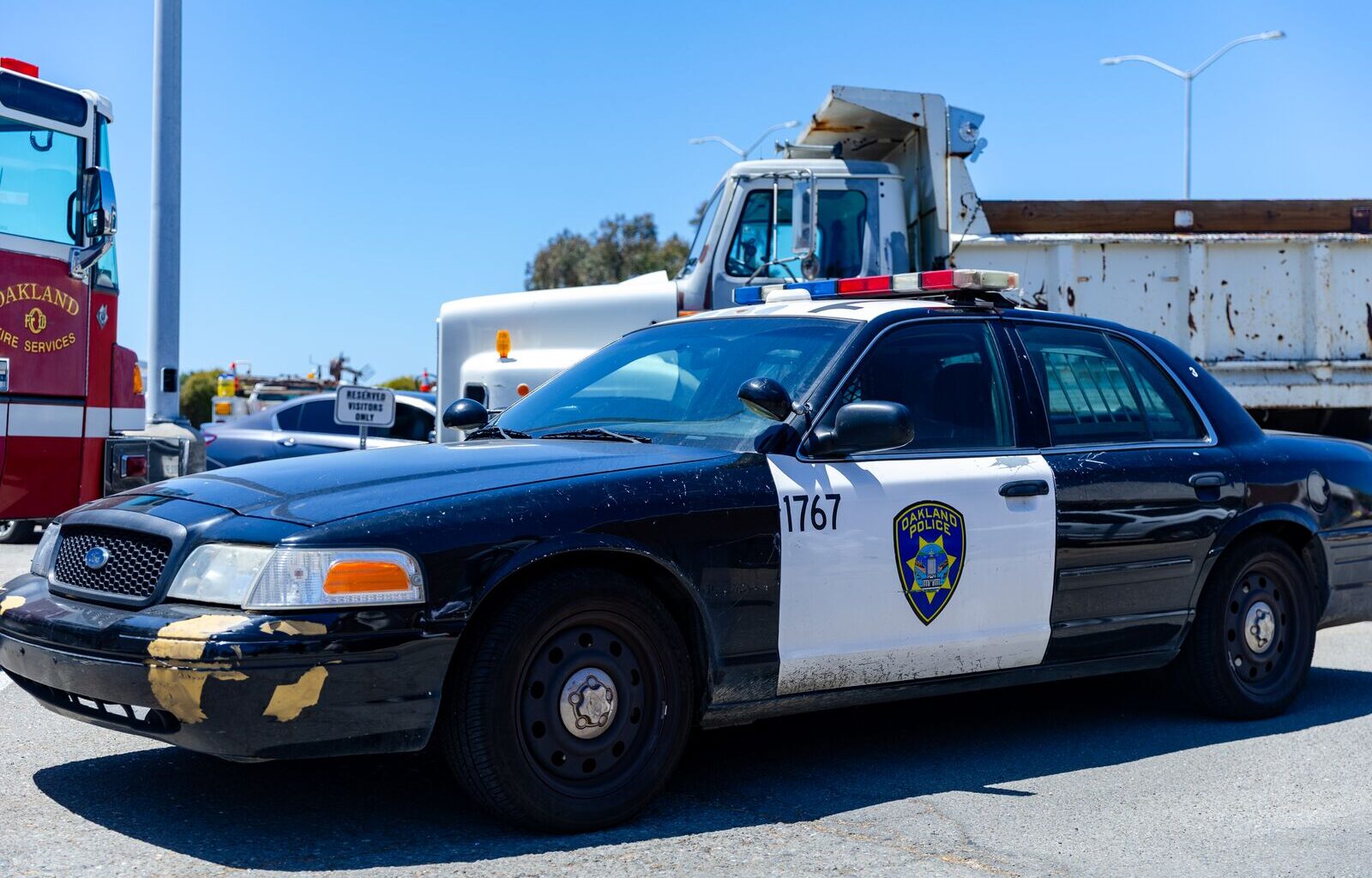
The Oakland Public Ethics Commission has declined to drop an investigation of how OPD misspent $12,000, citing concerns with the department’s failure to turn over evidence.
During a meeting last week, the commission directed its chief investigator, Tovah Ackerman, to gather more information about how OPD drew money from the Measure Z fund to pay for a May 2024 trip to Washington D.C., to honor a fallen colleague.
Measure Z, a parking and parcel tax that raises millions in revenue each year, was approved by voters in 2014. In the text of the ballot measure, the city promised voters the taxes would be used “solely for the purpose of raising revenue necessary to maintain police and fire services and violence prevention and intervention strategies, to address violent crime and to improve public safety in the City of Oakland.”
According to the complaint that sparked the investigation, OPD used Measure Z money to pay for a delegation’s travel to D.C. to attend the 43rd Annual National Peace Officers’ Memorial Services. This included 11 officers who accompanied the mother and wife of Officer Tuan Le, who was killed in the line of duty in December 2023. The complaint was filed by Omar Farmer, a former member of the Oakland Police Commission and the Public Safety and Services Violence Prevention Oversight Commission, a volunteer board established to make sure Measure Z money is spent properly.
Travel to honor a fallen officer serves a city purpose, investigators said in their report. But Measure Z’s allowable uses don’t include travel, and the expenditure happened while Oakland had a citywide freeze on travel spending due to a budget crisis.
Ethics investigators told the commission last week they didn’t find evidence that OPD violated the Oakland Government Ethics Act, which covers misuse of city resources, conflicts of interest, and gift restrictions. Ackerman said department officials apparently misunderstood what qualified as an appropriate use of Measure Z funds and later returned the money.
Ackerman recommended sending OPD an advisory letter that would spell out the requirements of the Government Ethics Act regarding misuse of city resources, and advise OPD to avoid even the appearance of impropriety in the future. The letter is the PEC’s lowest level of enforcement action and wouldn’t include any penalties.
Commissioners largely agreed with Ackerman’s assessment, but they were alarmed when Ackerman said that OPD hadn’t provided her with itemized receipts for how city funds were spent on the trip, and she said they may not exist. According to her report, OPD provided investigators with records to demonstrate that funds were returned to Measure Z.
Commission Vice Chair Karun Tilak said expenditure records would help to establish whether all of the department’s purchases were appropriate. Commission Chair Francis Upton was incredulous that OPD said it did not have these records. He said OPD is legally required to keep spending records through credit card receipts or expense reports, and that if they can’t be found, “that’s an issue.”
“I’m pissed,” Upton said. “I think they were trying to get around [the travel freeze] and they knew the city had a moratorium on spending out of the general fund, and they wanted to send these guys.”
Upton, like the other commissioners, acknowledged that it was a legitimate city purpose to send officers to honor a fallen colleague. But he appeared surprised that no one from OPD or the city administration, which approved the expenditure, had asked an attorney to confirm whether it was appropriate to use Measure Z funds.
“This whole process looks, you know, bad,” Upton said. “I think we need to look at tightening that law up because this thing should violate that law,” he said about the Government Ethics Act.
An unnamed OPD spokesperson told The Oaklandside that no one is available to discuss the case.
Commissioner Ryan Micik agreed with his colleagues, calling OPD’s inability or refusal to hand over the receipts of the trip “rather alarming.”
At Wednesday’s meeting, the former chair of the city’s Measure Z oversight commission, Paula Hawthorn, applauded the PEC’s decision to keep the case open.
“It happens a lot in Oakland with funds that are for one bond measure get used as a piggy bank for other things,” Hawthorn said. “I think it’s wonderful that you’re taking this very seriously and putting the City Administration on notice that these are not fungible things that can be used for whatever they want.”
“*” indicates required fields