
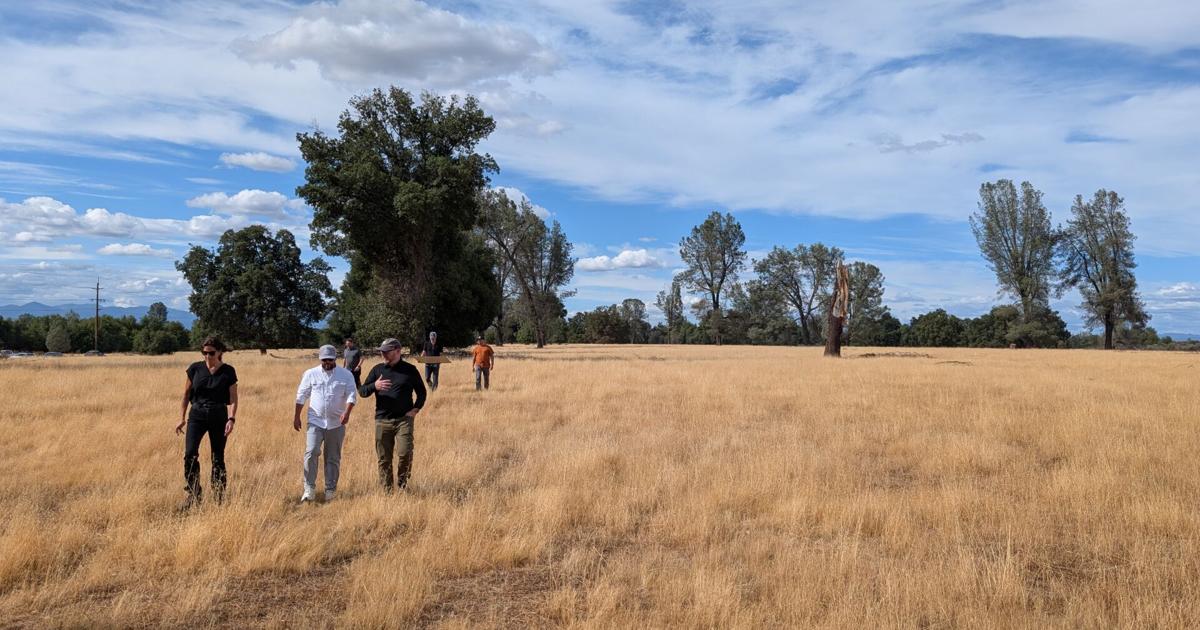
REDDING, Calif. – A groundbreaking effort is underway in Redding where FABRIC Mass Timber and WRNS Studio are working together to plan the state’s first large-scale mass timber factory.
Officials say the innovative facility will transform wood removed from wildfire fuel into sustainable building materials.
FABRIC’s mission is to use advanced technologies to create climate-positive materials while generating manufacturing jobs in Northern California. The 200,000-square-foot factory, designed by WRNS Studio, will serve as a hub for design consulting, engineering, and manufacturing.
“We have a full ecosystem ready to change the way we build. An experienced team. Design and engineering support from inspiration to installation. Advanced manufacturing and fabrication facilities that produce CLT and GLT to exacting specifications. Supply chain tracing to document sustainability and wildfire reduction efforts. Partnerships to train and develop a workforce that will frame new opportunities for our state,” said FABRIC Founder and CEO Scott Ehlert.
The factory’s design aims to be a landmark in Redding, promoting a circular, low-carbon mass timber economy. WRNS Studio partner Ben Mickus expressed excitement about the project, saying, “We are thrilled to help this game-changing organization create a vibrant flagship facility, serving the Redding community.”

FABRIC Mass Timber
FABRIC and WRNS are also focusing on education by partnering with UC Berkeley, Cal Poly, and Shasta College to host workshops. These workshops aim to integrate mass timber design into architectural education and advanced manufacturing training.
The project also seeks to address housing affordability and homelessness in California. By using mass timber for pre-fabricated housing elements, FABRIC hopes to speed up construction processes and provide jobs in rural areas.
FABRIC is engaging with local, state, and federal governments to streamline processes, aiming to address California’s urgent housing and homelessness issues. The company is committed to creating a sustainable future and supporting the state’s embodied carbon reduction policies.
FABRIC Mass Timber