
A watchdog group that publishes compensation data for California public officials has sued the state education department in San Diego court for refusing to provide key school officials’ contact information in a spreadsheet it needs to request pay details from districts and charter schools.
Transparent California, run by the nonprofit think tank Nevada Policy Research Institute, submits thousands of public record requests to public agencies each year to collect, then publish public officials’ compensation information each year. It’s the largest publicly accessible source of California officials’ pay and pension.
Transparent California collects key public officials’ contact information in order to send them requests for the data under the state’s Public Records Act. It says it relies on having the contacts in a spreadsheet so it can submit requests in bulk to the state’s 935 school districts.
When the group asked the state education department for email addresses of all school superintendents and business officers in a spreadsheet this summer, the department declined to provide it, even though it publishes that information online on individual webpages for each school district and charter school.
The department used to publish such a downloadable dataset with officials’ email addresses.
It stopped doing so, it told Transparent California, because school officials’ emails were flooded with marketing spam and subjected to cyberattacks.
In a June letter denying the organization’s record request, the department wrote that the public interest in non-disclosure of the email addresses in a spreadsheet outweighs the public interest in disclosure, citing a “catch-all” exemption in the California Public Records Act.
Todd Maddison, research director for Transparent California, said he disagreed with the decision.
“Everyone, including public employees, gets spam. That’s not a reason to gut the Public Records Act,” he said in a statement. “If (California Department of Education) wins this argument, any agency in the state could use it to keep the public from being able to contact officials and employees.”
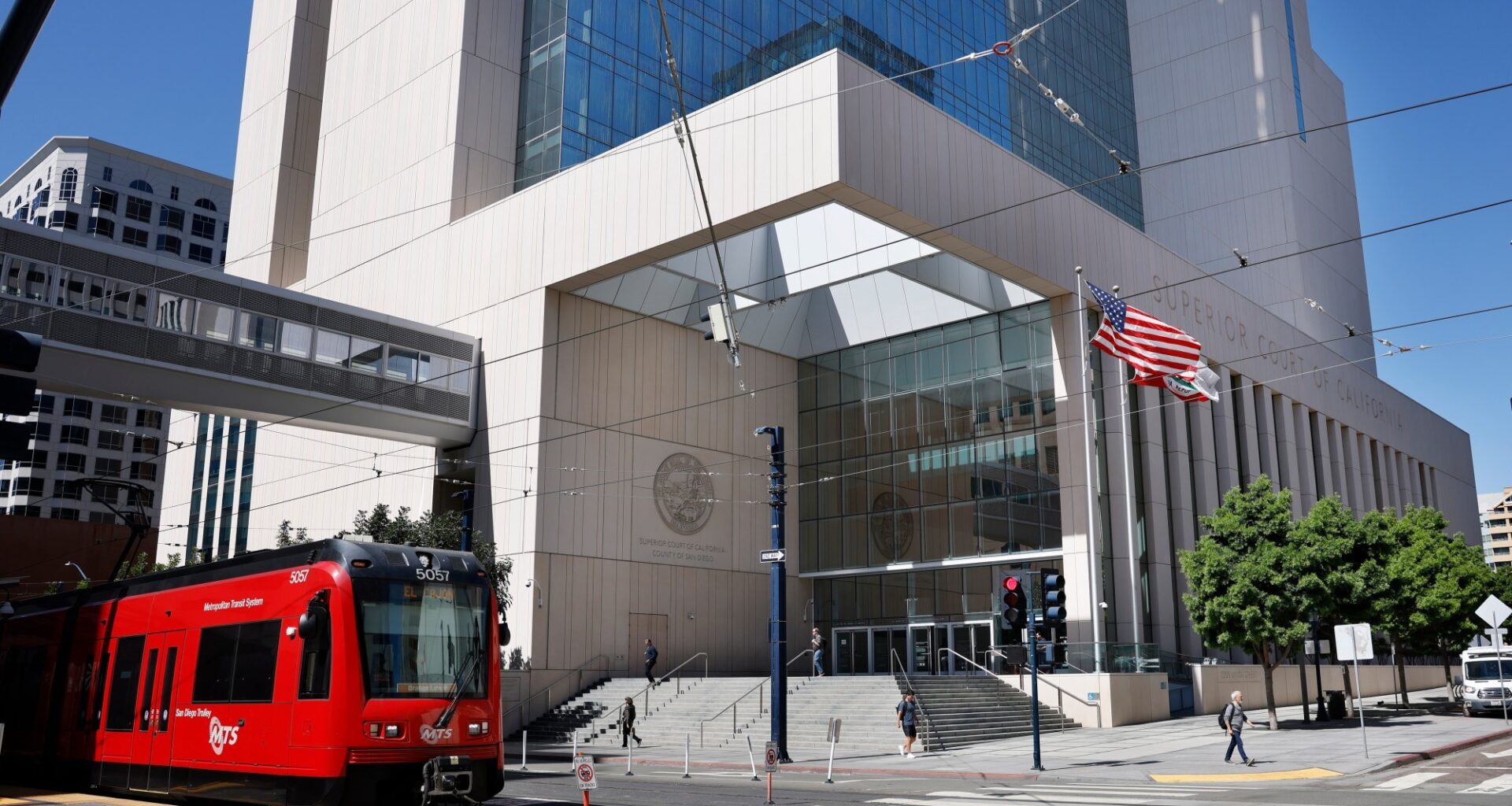
Nevada Policy Research Institute sued the department in August in San Diego Superior Court.
The state education department declined to comment.