
.JPG)
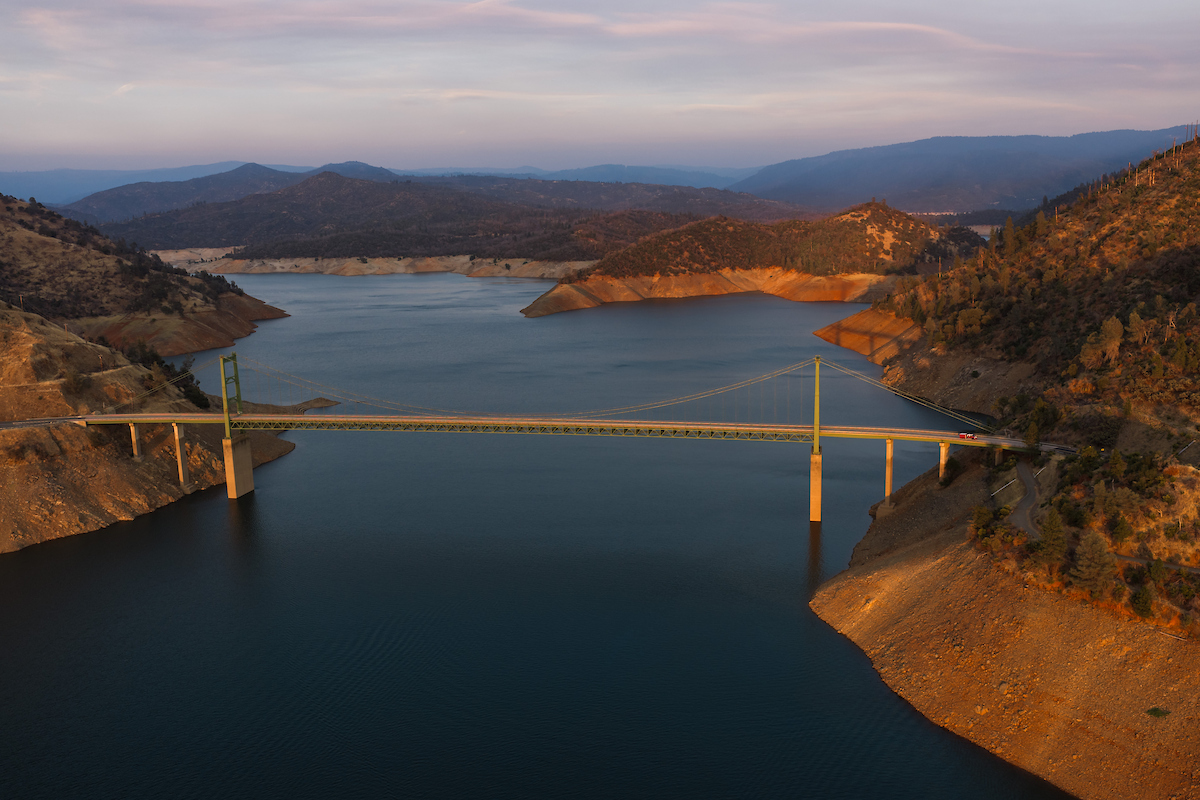
A drone view before sunset of Bidwell Bar Bridge at Lake Oroville. Photo taken August 31, 2026.
SACRAMENTO, Calif. – Today marks the start of Water Year 2027 in California and the Department of Water Resources (DWR) is preparing for potential extreme weather emergencies while positioning the State to capture and store as much water as possible. Recent water years have demonstrated the extreme swings California can experience between record-breaking drought and devastating flooding, and strong El Niño conditions make preparedness especially important.
“California is taking action now to prepare for flood season. With strong El Niño conditions on the horizon this winter, being ready for anything is more important than ever,” said California Department of Water Resources Director Tom Gibson. “We don’t yet know where or when the storms will hit, but we can take actions to prepare now. DWR and our partner agencies across California will be ready.”
California’s water year runs from October 1 to September 30 and is the official 12-month timeframe used by water managers to compile and compare hydrologic records. At the start of the new water year, major reservoirs across the state are currently at 107 percent of average for this date. Lake Oroville, the largest reservoir in the State Water Project, is currently at 85 percent of average and 48 percent capacity. California is preparing to leverage both surface and groundwater storage opportunities this winter to put the state in the best possible position to capture water now for when dry conditions inevitably return.
In coordination with the Governor’s Office of Emergency Services (CalOES), DWR is also preparing for potential flooding. Last week, Governor Newsom proclaimed a state of emergency to bolster state preparedness for any potential impacts from El Niño.
“Historically, El Niño years can be a mixed bag, with moderately higher chances of more precipitation in the southern part of the state. But the strength of this year’s El Niño event sets up the conditions for wet weather,” said State Climatologist Dr. Michael Anderson. “Paying especially close attention to local forecasts and warnings issued by the National Weather Service will be critically important for Californians throughout this winter.”
The National Oceanic and Atmospheric Administration has forecasted a greater than 90 percent chance of a very strong El Niño event this winter. El Niño is characterized by above-average sea surface temperatures in the tropical Pacific Ocean and has historically increased the chances of above-average precipitation in parts of California. Warmer ocean temperatures can influence the position of the jet stream, potentially directing more precipitation toward the southern half of the state.
While very strong El Niño conditions do not guarantee storms in any specific location, they can contribute to other hazards, including elevated sea levels, damaging waves, and coastal erosion. Cities, counties, and state agencies are coordinating to prepare for these possible outcomes.
DWR’s flood operations staff are coordinating closely with local partners in cities and counties across the state. DWR is holding 13 regional workshops for partner agencies in Coastal, Northern, Southern, and Central California communities and has stockpiled flood-fighting materials at 68 locations across the state. These materials include 4.4 million sandbags and 400,000 tons of rock for emergency levee repairs, if needed.
California’s flood infrastructure is also being inspected and prepared for winter. Every fall, DWR staff inspect all 1,600 miles of levees within the State Plan of Flood Control and perform maintenance on key flood conveyance facilities, including weirs, bypasses, and flood control structures, to help ensure they function as designed.
At the same time, efforts are underway to take advantage of precipitation this winter to help replenish groundwater basins for future water supply needs. As a key component of Governor Newsom’s Water Supply Strategy, groundwater recharge can enhance water resiliency and security, reduce vulnerability to floods, drought, and dry wells, and promote long-term sustainability. DWR is hosting a Recharge Readiness webinar series to share technical guidance to help communities prepare for potential storms.
State Water Project crews spent the summer performing annual maintenance and inspections to ensure the system is ready for winter operations. That preparation helps DWR to take advantage of opportunities to capture, store, and move water when conditions allow, while maintaining flexibility to respond to changing weather and water supply conditions. The State Water Project relies on seasonal rain and snow to provide water deliveries to 29 contractors serving 27 million Californians. The State Water Project will make its initial allocation for forecasted deliveries on December 1.
California’s water year runs from October 1 to September 30 and is the official 12-month timeframe used by water managers to compile and compare hydrologic records.
More information on California’s current hydrological conditions.
Additional Resources
Contact:
Jason Ince, Information Officer, Public Affairs, Department of Water Resources
(916) 820-8138 | media@water.ca.gov