
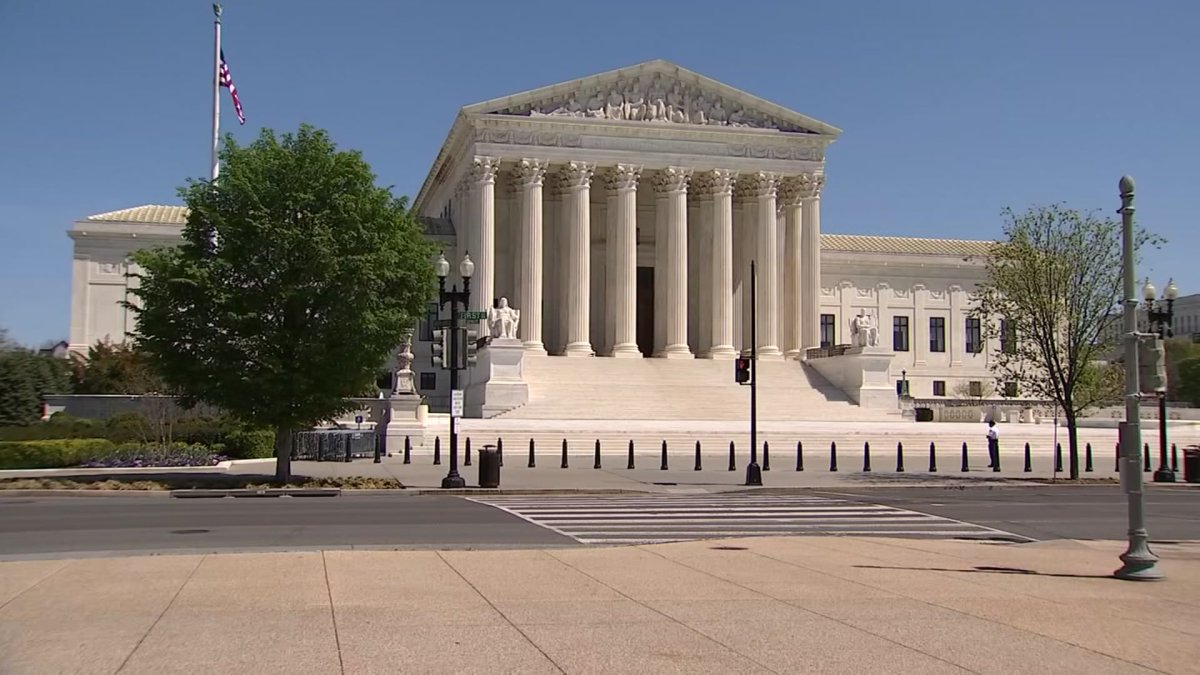
The Supreme Court on Thursday agreed to take up ICE’s mandatory detention policy, the Trump Administration’s practice of holding people in custody without the opportunity for a bond hearing.
For years, the only people subject to mandatory detention were people arriving at the border. This changed in July 2025 when ICE issued guidance reinterpreting the law. It suggested to expand mandatory detention to anyone who has ever entered the U.S. without inspection.
“For many years, these people had the ability of due process and to be able to request their release while their deportation proceedings were pending,” said immigration attorney Cesar Luna, who said it was “very important.”
“Now, the fact that people are in jail for many, many month, really prevents them from going through the actual process and their ability to defend themselves in court,” Luna said.
Thousands of detainees nationwide turned to federal district courts to file habeas corpus petitions, asking federal judges to order bond hearings or their release. Luna said the vast majority of judges in those cases have ruled in favor of detainees.
Challenges to the policy have also made their way through federal appeals courts. Two have ruled in favor of the Trump Administration’s mandatory detention, while nine have ruled against.
In the Supreme Court’s next term that begins Monday, the justices will hear one of those cases.
In a statement, the Department of Homeland Security said the agency was “glad” the court will hear arguments, adding that under President Trump, DHS “finally implemented the law as Congress intended it to.”
“This implementation put the nail in the coffin for Biden’s catch and release policies,” DHS’ statement said.
“That is why the left and their activist proxies on the judiciary are resisting it so vigorously. Biden and Mayorkas recklessly unleashed millions of unvetted illegal aliens into American communities—and they abused many loopholes to do so. President Trump and Secretary Mullin are now enforcing the law as it was actually written to keep America safe—these individuals are required to be detained,” said the DHS statement.
Luna said the impact to his clients has been “awful.”
“It’s almost an emotional pressure for somebody who would much rather throw the towel and not fight their case, rather than remain in detention for a very prolonged amount of time,” he said. “It really puts the balance of the justice system against the non-citizen.”